
Reliable power is now a strategic advantage for Australian high-demand sites.
If you run a manufacturing line, a cold store, an irrigation system, or a large estate, you already know how fragile your operations can feel when the grid becomes unreliable or peak tariffs bite into your margins. Every unexpected outage, every voltage dip, and every spike in your power bill feeds straight into lost productivity and rising operating costs.
Energy storage systems change how you manage that risk. Instead of passively accepting whatever the grid delivers, you store energy on site, then use it on your terms. For commercial and industrial businesses, agricultural operations, rural properties, and premium homes with heavy loads, this is no longer a “nice to have”, it is a practical way to protect uptime and control cost.
Why Energy Storage Matters For Australian Operations
Common power challenges across high-demand sites
Across Australia, we consistently see the same pain points from owners and operators who rely on three phase power:
- Rising electricity costs, especially peak tariffs that hit during core production or irrigation hours
- Power interruptions that stop machinery, reset equipment, and disrupt schedules
- Heavy reliance on diesel generators with high fuel bills, noise, fumes, and regular maintenance
- Limited control over when and how energy is used, which makes budgeting difficult and growth planning harder
For large residential estates with EV charging, pools, and ducted air, the story is similar. Standard home batteries are often too small, and grid issues can still shut down the entire property.
Where systems like the EQ4800 fit in
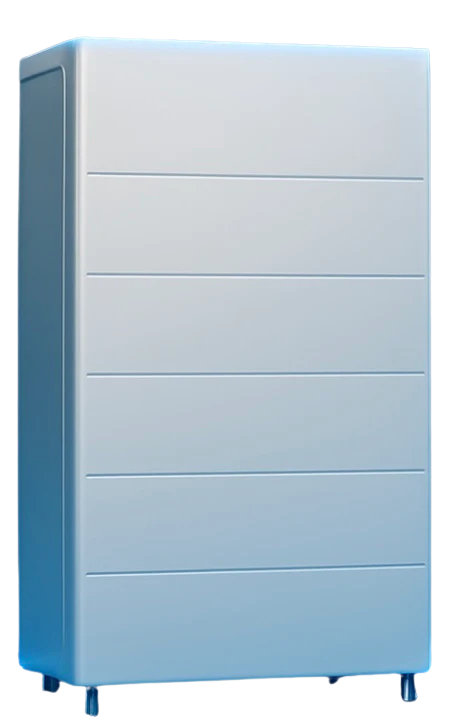
Advanced energy storage platforms such as the EQ4800 are designed specifically for these higher demand environments. They focus on three key outcomes.
- Continuous, stable three phase power that keeps heavy motors, compressors, and machinery running smoothly
- Long duration backup that can carry you through extended outages without constant generator use
- Smarter energy management that lets you charge from solar or off peak grid power, then discharge during expensive or unstable periods
Instead of splitting systems or juggling multiple small batteries, you work with a commercial grade, single stacked solution built around real operational loads. Options such as the three phase inverter and high capacity battery systems available in Australia show what this looks like in practice, with serious storage and output in one integrated package.
The end result is simple. You gain predictable energy costs, cleaner and quieter backup, and far more control over how your site uses power, whether you manage a factory floor, a broadacre farm, or a premium all electric home.
Key Benefits Of Energy Storage For Manufacturing And Heavy-Duty Operations
Stable three phase power for serious loads
Manufacturing plants, workshops, cold stores, pump stations, and large estates all rely on clean, stable three phase power. Voltage sag or imbalance can trip drives, upset control systems, and strain motors.
A well specified energy storage system such as an EQ4800 style solution delivers:
- Consistent three phase output that keeps conveyors, compressors, welders, and pumps running smoothly
- Clean power quality that supports variable speed drives, automation, and sensitive electronics
- Capacity for high inrush loads when large motors start or multiple machines kick in together
For large residential estates, this same stability lets you run EV chargers, ducted air, pool systems, and workshops without constant worries about trips and flickers.
Reduced downtime and stronger business continuity
Unplanned stoppages hurt margins. Restarting production, clearing backlogs, or recovering irrigation schedules all costs time and money. With on site storage, your site can ride through grid outages and fluctuations while critical loads stay powered.
Key advantages include:
- Seamless switchover during grid loss so lines, refrigeration, and pumps keep operating
- Prioritised load support so you can keep the most important equipment online during longer events
- Predictable schedules because grid instability has less influence on your production or property timetable
For many owners, the most valuable benefit is simple. You can keep staff working and commitments on track, even when the grid is not behaving.
Cost control and long duration backup without diesel noise and fumes
Generators are noisy, fuel hungry, and maintenance heavy. Energy storage systems offer long duration backup with none of the constant engine noise, exhaust, or refuelling runs.
When paired with solar and smart controls, storage lets you:
- Use stored energy during high tariff windows so you draw less from the grid when prices spike
- Cut generator run hours to reduce fuel, servicing, and compliance tasks
- Plan your energy spend with far more confidence because you control when stored power is used
If you need a commercial grade system with serious storage capacity for heavy loads, integrated solutions such as the 15 kW three phase inverter with high capacity battery bank show how a single stacked design can support both manufacturing environments and premium properties.
How Energy Storage Delivers Cost Efficiency And Real Energy Management
Using load shifting to avoid peak tariffs
For high demand sites, peak tariffs can quietly drain profit. Energy storage lets you shift when you draw from the grid, so you pay for power at times that suit your bottom line, not the retailer.
With a properly configured system you can:
- Charge batteries during off peak periods, when electricity is cheaper or when your solar is exporting
- Discharge during peak windows, so production lines, irrigation pumps, refrigeration, or whole homes use stored energy instead of costly grid power
- Flatten your load profile, which helps reduce the impact of high demand charges and peaks caused by heavy equipment starting together
For many Australian manufacturers, rural properties, and premium estates, this timing strategy is where a large capacity system such as a high capacity commercial battery starts to pay for itself.
Reducing dependence on grid supply and diesel generators
Grid instability and diesel costs go hand in hand. Every time the grid drops, the generator fires up, burning fuel and adding wear. A robust storage system changes that pattern.
Key cost gains include:
- Lower grid consumption across peak times, since stored energy covers a portion of your heavy loads
- Less generator runtime, which means reduced fuel use, longer service intervals, and fewer emergency call outs
- Fewer “just in case” starts, because your storage can cover short outages or voltage dips without spinning a diesel engine
Over time, this cuts both direct fuel spend and the hidden costs of noise restrictions, compliance, and staff time spent managing refuelling and servicing.
Predictable energy use and easier budgeting
Unpredictable bills make it hard to plan staffing, pricing, and growth. Energy storage introduces structure to your energy profile.
With the right setup you can:
- Pre schedule charging and discharging based on known tariff windows and production or irrigation timetables
- Segment loads into priority tiers so you always know which circuits will stay online during longer events
- Track usage patterns and adjust settings to keep demand within your preferred cost bands
For business owners, rural operators, and large estate managers, this level of control means your power system supports your financial planning instead of disrupting it. Pairing a commercial scale inverter and battery package such as a three phase hybrid system with smart controls gives you a clear, predictable structure for both energy use and ongoing costs.
Technical Features That Matter For Serious Commercial, Agricultural, and Premium Property Use
Commercial grade three phase power for heavy and continuous loads
For Australian manufacturers, rural operators, and large estates, the first non negotiable feature is genuine three phase output that behaves like a robust commercial supply.
A well engineered system such as an EQ4800 style platform should deliver:
- Balanced three phase output so motors, compressors, and large pumps run smoothly without nuisance trips
- High continuous power capacity to support production lines, cold storage, or whole of property loads for long runtimes
- Short term surge capability so big motors and machinery can start without dragging down voltage or tripping protection
For premium homes with workshops, EV chargers, and large HVAC, this same commercial grade output means you can treat the system as a whole property supply, not just a token backup for a few lights.
Long duration storage for extended outages
Short battery runtimes do not help much when you face multi hour or overnight outages. High demand sites in regional or fringe grid areas need serious storage capacity that matches their actual loads.
Key features to look for include:
- Large usable energy capacity sized to your critical loads and typical outage duration
- High cycle life chemistry so frequent charge and discharge does not shorten system life prematurely
- Efficient charge control to maximise energy from solar, off peak grid supply, or both
Integrated packages such as a high capacity hybrid inverter and battery bank show how a single stacked design can support long duration backup for both commercial sites and large residential properties.
Robust, durable design for harsh and premium environments
Australian conditions are tough on equipment. Heat, dust, coastal air, and agricultural environments can quickly expose weak hardware.
For reliable long term performance, prioritise systems that offer:
- Industrial grade enclosures suited to sheds, plant rooms, or outdoor installations with proper weather and ingress protection
- Wide operating temperature tolerance to handle Australian summers without constant derating
- Quality components and protection including surge protection, isolation, and proper fault monitoring
For premium estates, you also want clean, compact hardware that presents well in garages or dedicated plant spaces, while still delivering commercial grade internals and protections.
Scalable and future proof architecture
Most operations do not stand still. Production expands, new pumps are installed, EV chargers are added, and air conditioning loads increase.
A future ready energy storage system should offer:
- Modular battery capacity so you can add storage as your site’s consumption grows
- Flexible inverter sizing to support new machinery or whole property upgrades without a complete redesign
- Smart integration capability with solar, generators, and energy management systems for staged upgrades over time
If you prefer to review options side by side, use a structured approach and compare systems in terms of output rating, usable storage, warranty, and expansion paths through a trusted supplier or a curated range such as a specialised commercial and high demand storage catalogue.
The key takeaway is simple. Technical features are not just spec sheet numbers, they determine whether your energy storage behaves like a real three phase power plant that can grow with your manufacturing facility, farm, or high demand home in Australia.
Ensuring Business Continuity, Equipment Protection, and Operational Stability
Riding through power fluctuations and grid instability
For many Australian manufacturing sites, farms, and large homes, the grid is not as stable as the loads that depend on it. Voltage dips, spikes, and short outages can be just as damaging as longer blackouts. An energy storage system acts as a stabilising layer between your site and the grid.
A well designed system can:
- Clean up poor power quality so sensitive electronics and control gear see a stable supply
- Bridge short interruptions without dropping pumps, compressors, or production lines
- Support critical loads in fringe or rural networks where brownouts and flicker are common
For premium properties, this stability means EV chargers, climate control, and security systems stay online even when the street supply is struggling.
Protecting machinery and extending equipment life
Unstable power is hard on motors, drives, refrigeration, and automated systems. Frequent restarts and voltage swings shorten service life and push maintenance budgets up. Storage based systems with quality inverter hardware give your plant and property a much cleaner electrical environment.
Key protective benefits include:
- Controlled startup and shutdown that avoids hard trips and abrupt power loss to machinery
- Consistent voltage and frequency that reduces stress on motor windings, bearings, and electronic components
- Integrated protections such as overload, short circuit, and surge management built into the inverter platform
When paired with a robust hybrid solution, for instance a commercial scale system similar to a high capacity inverter and battery package, you get both protection and serious usable energy in one installation.
Maintaining production schedules and critical operations
Production deadlines, irrigation windows, milking cycles, and household routines do not wait for the grid. Business continuity depends on being able to keep key loads running, even when the supply outside your fence fails.
A correctly configured storage system supports this by:
- Providing seamless backup so conveyors, process lines, and cold rooms continue without manual intervention
- Prioritising critical circuits such as refrigeration, irrigation, water supply, and core IT or communication systems
- Supporting whole property backup for large homes that need continuous operation of HVAC, lighting, EV charging, and security
For agricultural operators, that can mean irrigation pumps finish their cycle, cool rooms stay at setpoint, and livestock systems keep functioning while the grid catches up.
Seamless support for agricultural and residential energy demands
Rural and premium residential sites have energy profiles that spike and shift throughout the day. Pumps, air conditioning, welders, EV chargers, and processing gear often run together. Storage smooths this out and gives you control over what stays on, and for how long, during an event.
With the right setup you can:
- Create tiered load groups for critical, important, and deferrable circuits
- Automate switching so non essential loads drop off first during extended outages
- Combine solar and storage to recharge during daylight and extend runtime overnight
Large residential estates that pair a substantial battery bank with a quality inverter, such as a system comparable to the high capacity hybrid system range, gain quiet, predictable backup that feels almost invisible in day to day use.
The practical outcome is straightforward. Your site stays productive, your equipment is protected, and your operations are far less exposed to the next voltage dip, storm outage, or grid fault.
Choosing the Right Energy Storage System For Your Needs In Australia
Start With A Clear Load And Runtime Assessment
Before you look at brands or models, you need clarity on what you want the system to do on your site.
Work through this simple checklist:
- List your critical loads such as production lines, cool rooms, irrigation pumps, water systems, EV chargers, and core HVAC.
- Note their power ratings in kW and how many hours you need them to run during an outage.
- Decide your backup level whole site, selected circuits, or a mix of both.
This gives you a target for both capacity (how much energy you need) and output power (how much load you can run at once).
Key Technical Criteria To Evaluate
Once your needs are clear, assess systems against the following core factors.
- Capacity Look at usable kWh, not just nominal figures. Check that it covers your priority loads for your desired outage duration.
- Output type For serious sites, you want true three phase output with enough kW to start and run motors without nuisance trips.
- Runtime Confirm expected runtime at your typical load, not at reduced or “eco” loads that do not reflect real operation.
- Reliability Prioritise CEC accredited products, strong warranties, and suppliers with established commercial and rural experience.
- Maintenance requirements Ask what ongoing checks, firmware updates, and servicing are needed, and who is responsible for each task.
- Integration Make sure the system can work smoothly with your existing solar, switchboard, generator, and site controls.
Considerations For Manufacturing Facilities
Manufacturing and fabrication sites should focus on:
- High continuous three phase output for production lines, compressors, and welders.
- Strong surge capability for frequent motor starts and simultaneous machine operation.
- Support for automation and PLCs clean power quality, stable frequency, and fast transfer during grid loss.
- Clear expansion path to add capacity as new machines or shifts are introduced.
Considerations For Farms And Rural Properties
Agricultural and rural sites have different patterns and risks.
- Motor friendly three phase power for irrigation pumps, bore pumps, augers, and processing sheds.
- Long duration storage sized to cover overnight irrigation or multi day regional outages.
- Durable enclosures that can handle dust, moisture, and temperature swings in sheds or outdoor areas.
- Generator integration so the system can coordinate with an existing diesel unit when needed, not fight against it.
Considerations For Large Residential Estates
Premium homes and estates with high demand loads should prioritise:
- Whole property backup capability including EV charging, pool systems, ducted air, and home offices or workshops.
- Quiet operation and clean aesthetics suitable for garages or plant rooms in residential settings.
- Scalability to add more storage or extra EV chargers over time.
- Smart control features for time of use optimisation, EV scheduling, and load prioritisation across different areas of the property.
If you keep the focus on loads, runtime, and integration with your existing infrastructure, you are far more likely to select an energy storage system that genuinely supports the way your Australian facility, farm, or estate operates every day.
Conclusion and Next Steps Toward Reliable, Efficient Power
Energy storage has shifted from a backup extra to a core part of serious Australian power infrastructure.
Across manufacturing plants, warehouses, farms, rural properties, and large estates, the pattern is clear. When you combine commercial grade storage with quality three phase output, you gain three practical advantages that directly affect your bottom line.
- Stable power that keeps machinery, pumps, refrigeration, and whole properties running smoothly, even when the grid is unstable.
- Lower and more predictable costs through load shifting, reduced generator dependence, and smarter use of solar and off peak tariffs.
- Real control over which loads run, for how long, and at what cost, instead of reacting to outages and price spikes.
Systems in the EQ4800 class show what this looks like in practice. High capacity storage, robust three phase output, and long duration backup combine in one platform that is suited to manufacturing floors, irrigation and processing sheds, and premium all electric homes.
Practical Next Steps For Your Site
If you are serious about improving efficiency and reliability, treat energy storage like any other core plant decision. Use a simple staged approach.
- Clarify your objectives Do you want outage protection, tariff control, generator reduction, or full energy independence for key loads.
- Map your critical loads List what must stay on, in kW and hours, across production, agriculture, and household circuits.
- Review technical fit Focus on three phase capability, usable capacity, runtime, expansion options, and CEC accredited hardware.
- Check installation and support Prioritise experienced, Australia based teams who understand commercial, rural, and premium residential requirements.
You deserve a power system that works as hard as your operation does.
Whether you run a fabrication shop, a broadacre farm, or a large estate, the right energy storage system can stabilise your supply, simplify your bills, and keep your schedule intact. The next step is straightforward. Assess your loads, define your backup and cost goals, then select a commercial grade, scalable solution that aligns with how your site actually runs each day.
When you take that step, you move from reacting to grid problems to running your own reliable, predictable energy backbone.