
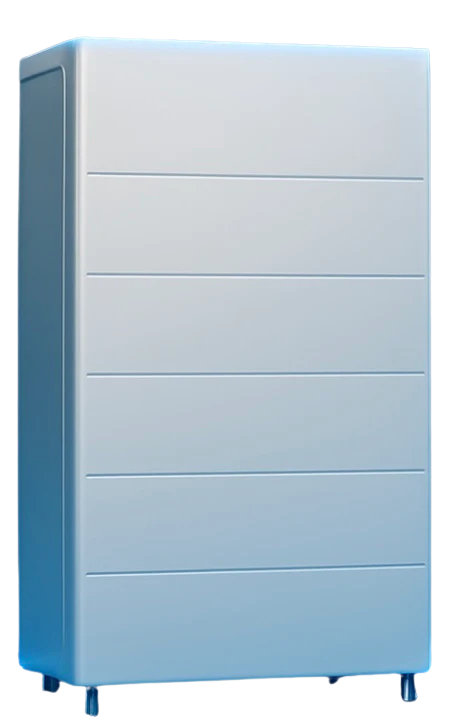
Fox ESS vs Tesla Powerwall: Which Solar Battery Is Better in Australia?
Choosing the right solar battery is one of the most important decisions when installing solar energy storage. Two of the most popular options in Australia are Fox ESS batteries and the Tesla Powerwall.
While both offer reliable energy storage, they serve different types of homes and energy demands. This guide compares the two systems across capacity, scalability, price, and performance to help you decide which solution is best for your property.
Quick Comparison: Fox ESS CQ6 vs Tesla Powerwall 3
| Feature | Fox ESS CQ6 | Tesla Powerwall 3 |
|---|---|---|
| Battery Type | Lithium Iron Phosphate (LFP) | Lithium-ion |
| Battery Capacity | 11.98 kWh – 83.86 kWh per tower (modular) | 13.5 kWh fixed capacity per tower |
| Module Size | 5.99 kWh per module | Not modular |
| Scalability | Up to 14 modules per tower | Add multiple Powerwalls |
| Inverter | Requires Fox Hybrid Inverter (5kW / 8kW / 10kW / 15kW etc.) | Built-in hybrid inverter |
| Inverter Output | Depends on inverter model | Up to about 11 kW continuous output |
| Solar Input | Depends on inverter used | Up to 20 kW solar input |
| Expandability | Very high (commercial-level storage possible) | Moderate |
| Monitoring | FoxCloud monitoring platform | Tesla App |
| Typical Use | Large homes / commercial / high consumption | Residential homes |
| Warranty | Usually 12 years | 12 years |
| Price (Australia) | Generally Best In Value per kWh | Expensive |
Key Takeaway
Fox ESS CQ6 → Best for large battery capacity and cheaper per kWh installations.
Tesla Powerwall 3 → Best for premium all-in-one systems with integrated inverter and Tesla ecosystem.
The CQ6 uses 5.99 kWh modules stacked up to 14 units, giving 11.98 kWh to 83.86 kWh per stack, while Powerwall 3 provides 13.5 kWh usable capacity with a built-in inverter.
Battery Capacity: The Biggest Difference
The Tesla Powerwall has a fixed capacity of 13.5kWh.
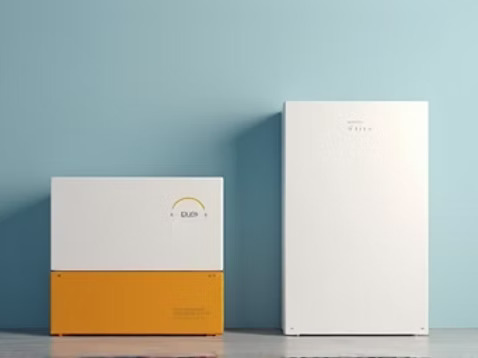
Fox ESS CQ6 systems use modular 5.99 kWh units that stack up to 14 modules per tower, providing 11.98 kWh to 83.86 kWh per tower. This modular approach is designed for:
- Large homes with EV charging
- Properties with pool pumps and HVAC systems
- 3-phase homes
- Commercial installations and businesses
For households with higher electricity demand, a larger scalable battery system often provides better performance and cost efficiency per kWh.
Scalability and Flexibility
Tesla Powerwall systems can be stacked, but there are limits.
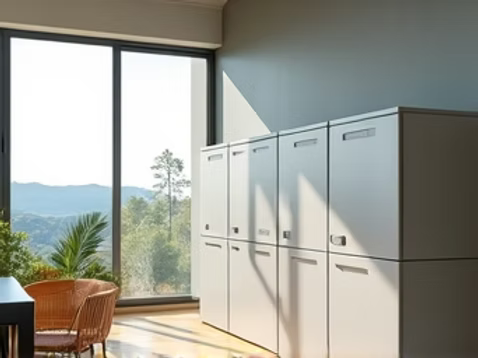
Fox ESS CQ6 battery systems allow modular expansion with up to 14 modules per tower and multiple towers, making them suitable for:
- Growing households
- Businesses with increasing power needs
- Commercial solar storage solutions
This flexibility is why Fox ESS systems are commonly used in large residential and commercial solar installations.
Which Battery Is Better?
Choose Tesla Powerwall if you:
- Have moderate electricity consumption
- Want a simple residential solution
- Prefer Tesla ecosystem integration
Choose Fox ESS CQ6 if you:
- Have high electricity demand
- Require a 3-phase solar battery
- Want a 42kWh or larger battery system
Final Verdict
Both systems are reliable and well-engineered.
However, Fox ESS CQ6 batteries offer greater scalability and higher capacity options at a lower cost per kWh, making them a strong choice for properties with large energy requirements.
If your goal is long-term energy independence and high storage capacity, the modular Fox ESS CQ6 system may be the better solution.
Frequently Asked Questions
Both systems are high-quality. Fox ESS is often better suited for large capacity installations, while Tesla Powerwall is popular for standard residential use.
Yes. Fox ESS systems are frequently used in commercial and industrial solar storage projects.