

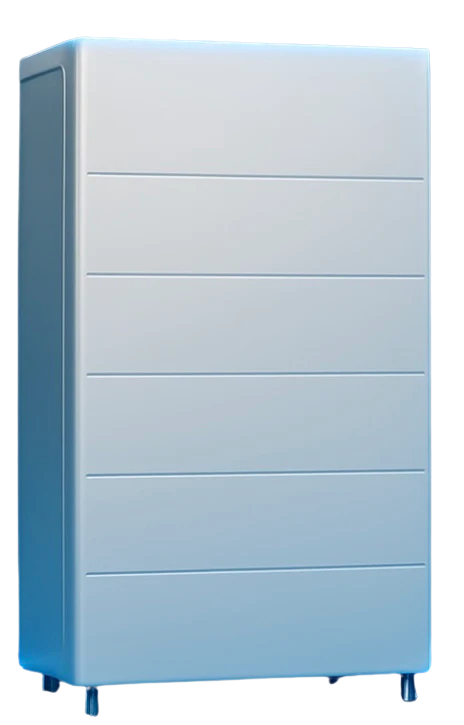
Australian homes are becoming more energy intensive. Electric vehicles, pool pumps, ducted air conditioning, induction cooking and home offices can all place greater demand on the electrical system. For properties with three phase power, choosing a battery is not simply a matter of comparing storage capacity or price. The battery, inverter, switchboard, solar array and backup configuration must work together as one complete energy system. A product that performs well in one home may be unsuitable for another because electricity usage, existing equipment and backup priorities are different. True Solar Nation works with established battery brands including AlphaESS, Anker SOLIX, FOXESS, SAJ, Sigenergy, Solis with Pylontech, Sungrow and Tesla. The best choice depends on how you want energy to move through your property.
What Is a Three Phase Solar Battery System?
A three phase property receives electricity across three separate electrical phases. This type of supply is common in larger homes, properties with powerful air conditioning, workshops, pumps, electric vehicle chargers and other high demand equipment. The battery itself stores energy rather than phases. The important component is the inverter and the way the complete system connects to the property. A suitable three phase battery installation should manage solar generation, battery charging, household consumption and grid interaction correctly. It should also comply with local network requirements and be designed around the circuits that matter to the homeowner. Some installations use a true three phase hybrid inverter. Other properties may use a different design based on their existing solar system. Neither approach should be selected without inspecting the current equipment and understanding how power is used across the phases.
Why System Design Matters More Than Brand Popularity
Product comparisons often focus on battery capacity, chemistry, efficiency and warranty. These details matter, but they do not show whether the system will work properly in your home. A useful assessment should consider:
• Whether the property has three phase supply
• How household loads are distributed
• Whether solar is already installed
• The type and condition of the existing inverter
• Evening and overnight electricity consumption
• Electric vehicle charging requirements
• Desired blackout protection
• Available installation space
• Switchboard condition
• Future plans for electrification or expansion
A battery that appears attractive online can become a poor investment if it cannot support the required loads or integrate properly with the existing system. A professional site assessment reduces this risk.
Leading Three Phase Solar Battery Options in Australia
The following brands offer strong possibilities for Australian homes. The best option should always be confirmed through a tailored system design rather than a generic ranking.
Sungrow
Sungrow is a practical choice for homeowners seeking a modular battery system paired with compatible hybrid inverter technology. Its battery solutions can suit households that want to begin with an appropriate amount of storage and retain the option to expand later. Sungrow systems are worth considering when straightforward monitoring, integrated equipment and future flexibility are important. The final design should confirm phase compatibility, backup requirements and the allowable battery configuration.
Sigenergy
Sigenergy offers an integrated energy ecosystem combining solar conversion, battery storage, intelligent management and electric vehicle charging options. This approach can appeal to homeowners who want several energy technologies managed through one platform. It may be particularly relevant for homes planning an electric vehicle or a broader move toward electric appliances. Before choosing Sigenergy, discuss which circuits require backup, where the equipment will be installed and whether the proposed system can be expanded as future consumption grows.
FOXESS
FOXESS provides battery systems designed to operate with compatible hybrid inverters. The brand offers flexible options for residential and small commercial applications. FOXESS may suit homeowners looking for a scalable storage solution with app based monitoring and the ability to manage solar energy beyond daylight hours. Correct inverter selection is especially important for three phase properties, so the quote should clearly identify how the system will interact with each phase.
Tesla
Tesla is widely recognised for home battery storage and its accessible energy monitoring experience. It can be an attractive option for homeowners who value a streamlined design, established consumer brand and intuitive control through an app. However, brand recognition should not replace technical assessment. The installer must confirm how the proposed configuration will manage three phase consumption and what will remain powered during a blackout.
AlphaESS
AlphaESS provides integrated energy storage solutions for homes and businesses. Its systems can be considered by homeowners looking for smart energy management, modularity and a balance between everyday solar consumption and backup capability. Compatibility with the existing solar inverter, communication equipment and switchboard should be checked before installation. Homeowners should also ask how system performance and warranty support will be managed over time.
Solis With Pylontech
A Solis inverter combined with Pylontech battery storage can provide a flexible solution using equipment from recognised energy technology manufacturers. This combination may suit properties where the installer wants greater design flexibility. Because the inverter and battery come from separate product families, the proposal should confirm approved compatibility, monitoring access and responsibility for technical support.
How to Compare Three Phase Solar Batteries
Instead of asking which battery has the largest headline capacity, ask how well the system matches your daily energy profile.
Usable Storage
The useful figure is the energy available for household consumption. Your installer should compare this with actual evening and overnight usage rather than simply recommending the largest available battery.
Power Output
Storage tells you how much energy the battery can hold. Output determines how much electrical demand it can support at one time. Homes running several major appliances simultaneously need careful load analysis.
Backup Coverage
A solar battery does not automatically power the entire property during an outage. Backup capability depends on the inverter, changeover equipment, switchboard design and circuits included in the backup plan.
Ask whether the proposed system will protect essential circuits or broader household loads. Also confirm whether solar panels can continue charging the battery while the grid is unavailable.
Expandability
Energy consumption may increase after adding an electric vehicle, heat pump, pool equipment or more air conditioning. A modular battery can make future expansion easier, although expansion remains subject to manufacturer rules and system compatibility.
Monitoring and Support
A clear monitoring platform helps homeowners understand solar production, battery charging, grid imports and household consumption. Local technical support is equally important if an inverter, battery module or communication device requires attention.
Warranty Conditions
Do not evaluate a warranty only by its advertised duration. Read the conditions covering retained capacity, operating limits, installation requirements, usage and claims. Ask who will assist if service is required.
Common Mistakes to Avoid
One common mistake is buying a battery based only on price. An inexpensive system may offer poor value if it is incorrectly sized or cannot support the desired loads. Another mistake is assuming that three phase supply automatically means whole home backup. Backup must be intentionally designed and documented. Homeowners should also avoid choosing storage capacity without reviewing electricity bills and interval usage data. Oversizing can leave expensive capacity underused, while undersizing may provide too little stored energy for the evening. Finally, do not overlook the switchboard. Older equipment, limited space or unusual circuit arrangements can affect installation complexity and final cost.
Choose a Battery Designed Around Your Home
The best three phase solar battery is not necessarily the most expensive or most heavily advertised product. It is the system that safely manages your household loads, captures useful solar energy, provides the backup coverage you expect and remains practical as your energy needs change. True Solar Nation can assess your current solar equipment, electricity usage, switchboard and future requirements before recommending a suitable battery and inverter combination. Request a personalised solar battery assessment to compare compatible solutions for your property.
Frequently Asked Questions
Do I need a three phase battery if my home has three phase power?
You need a battery system designed to integrate correctly with your property. The right configuration depends on the existing solar equipment, energy distribution and local network rules. A site assessment is the safest way to determine the appropriate solution.
Can a three phase battery power my entire home during a blackout?
It may be possible, but it is not automatic. Backup coverage depends on inverter output, battery capability, switchboard design and the loads you want to operate. Essential circuit backup is often more practical than attempting to run every appliance.
Can I add a battery to my existing solar system?
In many cases, yes. The installer must inspect the existing inverter, solar array, switchboard and approvals before recommending an integration method.
Which battery brand is best for an Australian home?
There is no universal winner. Sungrow, Sigenergy, FOXESS, Tesla, AlphaESS and Solis with Pylontech can all be suitable in the right application. The best system is the one correctly matched to your consumption, property and future plans.
Can I expand my battery later?
Some battery systems support modular expansion. Expansion conditions vary by manufacturer and may depend on system age, software, inverter capability and the compatibility of new battery modules.