

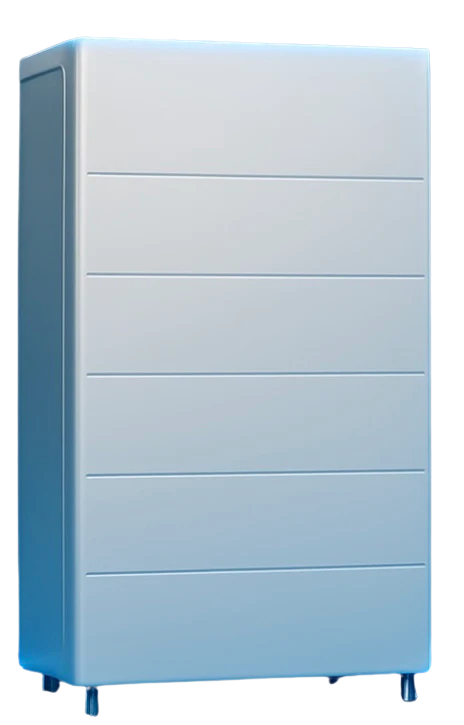
When upgrading to a high capacity energy storage system, one fundamental question stands above all others: how long does a 42kWh battery last?
A forty two kilowatt hour energy storage system belongs to the heavy duty class of residential and commercial solar batteries. Far larger than standard entry level battery modules, a system of this scale is engineered for acreage homes, multi generational families, properties with electric vehicles, or small commercial operations that demand complete power reliability.
Understanding runtime involves looking beyond simple storage totals. Actual performance depends on real time household energy consumption, connected appliance loads, depth of discharge settings, and whether daytime solar generation is actively topping up the reserve.
Here is a comprehensive look at how long a forty two kilowatt hour battery lasts under real world Australian conditions, both during daily off peak cycles and during extended grid outages.
Understanding a 42kWh Energy Reserve
To put forty two kilowatt hours in perspective, consider how household energy is consumed. Standard residential batteries often range in lower capacity limits suitable for basic evening lighting and refrigeration. A forty two kilowatt hour capacity, however, creates a substantial energy reservoir capable of running heavy, continuous loads across an entire property.
When evaluating runtime, energy experts categorise usage into three realistic household profiles:
1. Low to Moderate Baseline Consumption
If your property draws modest power for baseline essentials such as LED lighting, energy efficient refrigeration, Wi Fi routers, smart security systems, and television entertainment, a fully charged forty two kilowatt hour battery can run your home for multiple consecutive days without any utility grid supply or solar input.
2. Standard Active Family Household
In an active home running daily split system climate control, kitchen cooking equipment, laundry appliances, and multiple entertainment hubs, a forty two kilowatt hour battery typically covers full power demands overnight and through peak evening tariff periods, easily providing a full day or two of total independence during a power failure.
3. High Demand Properties with EV Charging and Air Conditioning
Running full ducted central air conditioning alongside a fast EV charger, multiple fridges, and secondary pumps on an acreage property uses power rapidly. Under continuous heavy draw, a forty two kilowatt hour battery will easily carry the home through an entire evening and overnight window, ensuring you never rely on costly peak grid tariffs.
Daily Cycle Use vs Outage Blackout Protection
How long your system lasts changes dramatically depending on whether you are operating under normal daily grid tied conditions or surviving an unexpected blackout.
Daily Peak Shaving Operation
Under normal conditions, a forty two kilowatt hour system stores surplus solar energy harvested during peak daylight hours. As the sun sets, the battery seamlessly discharges to power the property through peak evening electricity price windows. Because the solar panels recharge the battery every morning, the energy loop repeats indefinitely, eliminating peak utility bills.
Extended Blackout Protection
During a grid failure, an intelligent hybrid inverter isolates your home from the external grid and creates a self sustaining microgrid.
If your solar panels actively recharge the battery during the day, a forty two kilowatt hour battery can keep your essential household circuits running indefinitely across prolonged multi day blackouts. Daytime solar generation runs immediate loads and refills the storage bank, while the forty two kilowatt hour capacity powers the home smoothly through the night.
Factors That Influence Battery Runtime
Real world discharge timelines vary based on system design and environment. Key technical operational variables include:
- Depth of Discharge Settings: Modern lithium storage chemistry allows deep discharge capacity without harming internal cell health, giving you maximum usable stored energy.
- Inverter Conversion Efficiency: High quality hybrid inverters process stored direct current electricity into household alternating current with minimal energy loss.
- Appliance Surge Ratings: Devices featuring electric motors, such as large water pumps or air conditioning compressors, draw high initial surge currents that consume more power during startup.
- Solar Panel Capacity: The larger your rooftop solar array, the faster your forty two kilowatt hour battery recharges during daylight hours, extending total backup runtime.
How to Maximize Your 42kWh Battery Performance
To stretch your stored energy as far as possible during grid outages, follow these practical load management steps:
- Manage Climate Control: Use zoning controls on central air conditioning systems rather than cooling or heating the entire home simultaneously.
- Schedule High Load Appliances: Run energy intensive equipment like clothes dryers, dishwashers, and pool filtration pumps during the peak of the day when solar panels generate direct power.
- Optimize EV Charging Rates: Set smart EV chargers to match surplus daytime solar generation rather than draining the storage battery rapidly overnight.
- Establish Emergency Reserve Margins: Program your energy storage software to reserve a set percentage of battery capacity specifically for emergency blackout protection.
Frequently Asked Questions
Can a 42kWh battery run a full ducted air conditioner?
Yes. A forty two kilowatt hour energy storage system combined with a high capacity hybrid inverter provides ample power output to run ducted air conditioning systems. Managing operating temperature settings helps extend total runtime.
How long will a 42kWh battery last if no solar power is generated?
Without solar recharging during an outage, runtime depends on power draw. For a typical family home managing essential appliances and light climate control, forty two kilowatt hours can easily provide complete off grid power for up to two or three full days.
Can a 42kWh battery charge an electric vehicle during a blackout?
Yes. A battery of this size holds enough stored energy to supply significant range to an electric vehicle. However, charging an EV draws substantial power, so daytime solar charging is recommended during extended power failures.
Is a 42kWh battery suitable for commercial or acreage properties?
A forty two kilowatt hour system is ideal for high demand residential properties, acreage homes, agricultural workshops, and small commercial sites that require robust energy storage and reliable three phase power capabilities.