
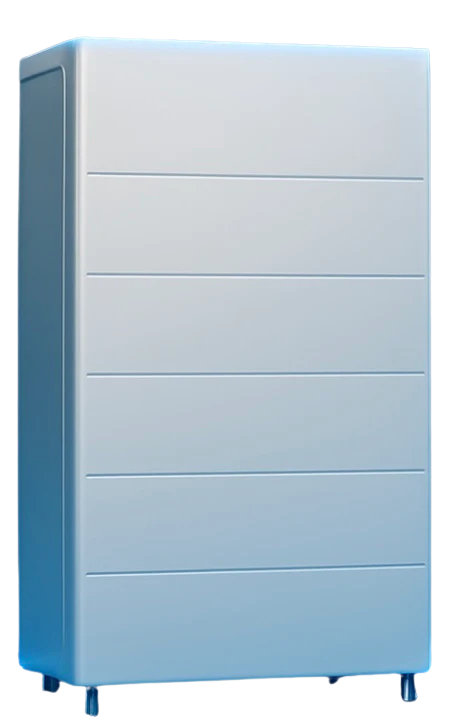
Rising electricity bills aren’t just frustrating. They’re another strain on the family budget, especially if you’re raising kids, paying off a mortgage, and running a household that includes everything from a pool pump to an electric vehicle. For many Australian homeowners on acreage, managing energy costs has become a serious priority. That’s where solar battery storage systems connect the dots between your solar panels, your lifestyle, and your power bill.
What is a battery storage system?
Put simply, it’s a system that stores excess energy generated by your solar panels during the day. Instead of feeding that energy back to the grid for a small credit, you can store and use it later—like at night, on cloudy days, or during peak times when electricity prices are higher. This stored energy can also keep your lights on and appliances running through a blackout.
Battery storage means more than just savings. It’s control. It lets you use more of the power you generate, when you actually need it. That’s especially useful for acreage properties where energy demand is higher and reliability matters. Whether it’s charging your EV, running irrigation systems, or powering a large home, battery storage helps smooth it all out without leaning on expensive grid electricity.
Relevant for today’s households
Large families, busy homes with multiple air conditioners, or households using EVs are seeing their daily energy usage rise. But with that also comes an opportunity: the chance to turn your home into an energy-efficient ecosystem. Solar batteries shift your household from passive consumers to smart energy managers.
Federal rebates make the shift even smarter
To help make battery storage more accessible, several federal government rebates are currently available for solar battery installations. These incentives are designed to reduce upfront costs, ease the return-on-investment timeline, and support greener living across Australia. They’re especially helpful for working families juggling cost-of-living pressures, because they remove one of the biggest financial barriers to going beyond basic solar setups.
Green energy isn’t just for later. It makes financial sense today. If you already have solar panels, or you’re thinking about it, battery storage is the next logical step. You generate your own clean power. You use it when it suits. You reduce your bills instead of just bending to them.
How Battery Storage Systems Work with Solar Panels and EVs
If your home already has solar panels, adding a battery storage system makes them far more practical—especially on acreage properties where power needs often run higher. With battery storage, your solar power doesn’t just disappear into the grid. It stays on your property, ready to be used when you need it most.
From Sunlight to Stored Power
During the day, your solar panels generate electricity when the sun is out. Most families don’t use all of that power in real time, which means excess energy is usually exported back to the grid. Instead of giving that energy away, a lithium-ion battery stores it so you can use it later—at night, during cloudy days, or when your electric vehicle needs a recharge.
This makes your solar setup work twice as hard. Not only do you cut back your reliance on grid power, but you can also reduce the impact of high feed-in tariffs and peak pricing. That’s money off your power bill every single month.
Backing Up Your Home and Your EV
Whether it’s keeping the heat on during a storm or charging your EV when electricity prices spike in the evening, stored solar energy adds flexibility. For families running multiple appliances, security systems, and charging vehicles on a schedule, solar batteries give you real options. You get the energy independence to run your home how you want, when you want.
Understanding Your Setup: Behind the Meter vs Grid-Connected
There are two common ways homeowners connect solar batteries:
- Behind the meter: This setup keeps your battery directly connected to your home’s power supply. You use the energy on-site before any of it flows to the grid. It can power your home during blackouts and helps you avoid peak rates by relying on stored energy instead.
- Grid-connected: This approach allows your system to share energy back to the grid when your battery is full. It works well with programs like Virtual Power Plants (VPPs), where you can earn credits or rebates by supporting the wider energy network.
For homes on rural or large properties, the behind-the-meter model provides the security and performance you need. You’re less affected by outages and grid issues, and more in control of when and how your power is used.
EV ownership makes this even more powerful. Instead of relying on overnight grid electricity to recharge, your vehicle can draw on stored solar power, cutting fuel costs even further. It’s a clean loop that benefits your household schedule and your wallet.
Understanding Large-Scale Battery Storage and Battery Energy Storage Systems (BESS)
Battery Energy Storage Systems (BESS) are more than just a box of lithium-ion cells sitting in your garage. Think of them as a smart, scalable power hub built to handle high energy needs. For Australians living on acreage with large families, higher energy loads, multiple EVs, or even small-scale farm equipment, a typical battery might not be enough. That’s where BESS technology starts to make sense.
What Is BESS?
BESS refers to a system that stores electricity—usually from solar panels—for use later. Instead of a single residential battery like a Tesla Powerwall or a Growatt model, BESS often involves higher capacity, integrated systems. These can power homes, support EVs, and in many cases, connect into broader community solutions like Virtual Power Plants (VPPs).
In a residential context, a large-scale BESS offers flexibility and performance. Families with higher consumption patterns see steady energy availability without sacrificing their usage habits. For those with acreage properties, it means less stress about long-distance grid outages or voltage fluctuations. Your energy stays where you need it: on your property, ready to go.
How Lithium-Ion Technology Supports High Loads
Most BESS units today use lithium-ion (li-ion) batteries. These are the same batteries powering your electric vehicles, but built to manage home-scale loads without degrading quickly. They’re compact, efficient, and recharge rapidly from solar input. Because they respond quickly to load demands, they help stabilize power across large properties and during variable conditions (like cloudy weather or high appliance use).
Power vs Energy Storage: What’s the Difference?
Battery specs often mention both power and energy, and the two serve different purposes:
- Power storage (kW):The rate at which your battery can discharge electricity. Higher power means your system can run more high-demand appliances at the same time.
- Energy storage (kWh):The total amount of electricity your battery can store. Larger energy capacity means your home can operate for longer without needing solar input or grid power.
For example, a home with multiple EVs, pumps, pool systems, or refrigerated storage might need both high energy storage to last through the evening, and high power capacity to run everything at once. Understanding this distinction helps you choose the right system—not just the biggest or the most expensive one.
Supporting the Grid with VPPs
Larger BESS setups are ideal for Virtual Power Plants. These programs allow your battery to “lend” stored energy back to the grid during high-demand periods. In exchange, you may receive credits, rebates, or lower tariffs. It’s a practical way for homeowners to contribute to energy stability while gaining extra financial return from their system.
If you’ve already invested heavily in solar panels, a BESS makes sure you’re getting full value out of that energy. Especially on acreage properties where demand is high and power interruptions are costly, it delivers performance, reliability, and long-term energy control.
Cost Considerations, Federal Government Rebates, and Incentives in Australia
Installing a solar battery system is a valuable addition to your home energy setup, but it does require upfront investment. For homeowners supporting large families, running acreage properties, or juggling the demands of EV charging and appliance-heavy living, cost plays a big role in the decision process.
What You’re Paying For
The cost of a solar battery system varies depending on battery size, complexity of installation, and system integration. Larger homes with multiple zones, off-peak usage, or energy-heavy features like irrigation, air conditioning, and EV chargers may need higher-capacity batteries—especially if you want backup power reliability or plan to participate in a VPP.
When planning your system, consider these key components:
- Battery capacity (usually measured in kWh)
- Inverter compatibility with your solar panels (brands like Growatt, Sungrow, and Jinko matter here)
- System installation, including electrical work and compliance with CEC guidelines
- Monitoring technology for managing power use and VPP participation
Premium options like the Tesla Powerwall or advanced BESS units from Sigenergy cost more, but also offer higher performance, scalability, and longer lifespan—all important when looking for value over time.
How Government Rebates Make It Affordable
Federal and state governments offer targeted rebates on solar batteries to help lower the financial barrier. These incentives are specifically designed for homeowners already facing the squeeze of mortgage repayments and rising electricity bills. Most rebates are eligibility-based and apply directly at the point of sale or as refunds post-installation.
Key points to explore:
- Current federal government rebate for solar battery initiatives
- State-specific programs supporting green energy investments
- Virtual Power Plant schemes offering extra credits or discounts
Rebates can offset a meaningful portion of your initial expense. If you’re planning to stay in your home for the long term, they also fast-track your break-even point—especially when electricity prices continue to climb.
Reduce Stress on Your Mortgage, Not Just Your Bills
Stretching your budget to include battery storage might feel like a leap, but paired with rebates, the long-term value adds up fast. Reduced power bills, fewer disruptions from outages, and the ability to store your own clean energy all deliver measurable savings over the life of the system.
You’re not just buying a battery. You’re lowering the cost of living today while future-proofing your energy tomorrow.
Choosing the Right Battery Storage System for Your Home
Not all solar battery systems are created equal—especially when you’ve got a large family, live on acreage, and run appliances, irrigation, heating, and electric vehicles under one roof. Choosing the right system means balancing household size, lifestyle needs, and long-term energy goals. Here’s how to break it down.
Start With How Much Power You Use
The first step is assessing your daily electricity consumption. A large home with multiple EVs, off-peak hot water, pool filters, and heating or cooling zones will need more battery storage than a one-EV, three-bedroom setup. Factor in household habits, like charging cars overnight or cooking at peak times, to better estimate storage demands.
- Small to mid-size families: Often require 10–15 kWh battery systems, especially if they’re charging one EV and balancing moderate appliance use.
- Larger families or acreage homes: Might benefit from 20 kWh or more to cover extended use during cloudy days or grid outages.
Understand Battery Capacity and Lifespan
Capacity is how much energy your battery can store (measured in kilowatt-hours or kWh). Lifespan refers to how long it can reliably charge and discharge before performance tapers off. Look for systems with long cycle ratings and warranties that actually mean something over time—not just marketing fluff.
Technologies like lithium-ion (used in most modern batteries) offer a good blend of reliability and performance. Brands like Tesla Powerwall, Growatt, and Sungrow have strong reputations here, especially when installed by accredited providers.
Compatibility With Your Solar Setup
Battery systems need to work smoothly with your current or planned solar panels. That means checking inverter compatibility, monitoring platform support, and warranty alignment—especially if you installed panels from brands like Jinko, Canadian Solar Panels, or Sunboost. Look for systems that can scale with your solar array and charge rate needs.
Top Features to Consider
- Inverter integration: Some batteries come with built-in inverters, while others need a separate unit. Compatibility is key.
- Expandable capacity: Useful if your usage grows with EV additions or family needs.
- VPP readiness: Being able to join Virtual Power Plants (VPPs) adds financial value down the road.
- Smart controls: Real-time monitoring, scheduling, and alerts help manage power more efficiently.
Reliable Australian Providers to Explore
Several Australian-based providers specialise in solar battery solutions suited for home and acreage use. Look for companies with Clean Energy Council (CEC) accreditation, solid installation support, and established experience with popular brands:
- Sigenergy: Focuses on large-capacity smart storage solutions, ideal for high-energy homes.
- Growatt and Sungrow:Offer flexible systems with scalable options for different property sizes.
- Solar Power Nation and Penrith Solar:Known for offering a wide range of compatible systems and CEC-certified installations.
Don’t settle for a one-size-fits-all battery. The right solution depends on how your household operates, how you use your EVs, and how much control you want over your energy use. Work with experienced, accredited providers who can properly advise on system size, rebates, and local installation standards.
Selecting the right battery is the difference between saving a little—and changing how your home uses energy for good.
Benefits of Battery Storage Systems Beyond Savings
Lower power bills get all the attention. But there’s more to battery storage than saving money. For Australian families managing acreage homes, EVs, and high daily usage, solar batteries provide real lifestyle advantages that improve comfort, control, and energy responsibility.
Grid Outages? Not Your Problem
Power cuts aren’t just an inconvenience—they can interrupt family routines, damage appliances, or jeopardise home security systems. A well-sized battery system stores enough solar energy to keep your lights on and essentials running when the grid goes down. Whether it’s summer blackouts or storm-related faults, you stay up and running.
This kind of reliability matters more when your home is off the beaten track. For acreage properties with long distances between power nodes, batteries give you energy independence when the grid can’t be trusted to deliver.
Live on Your Terms, Not the Grid’s
Grid electricity peaks when everyone gets home and turns everything on. That’s when rates jump, and the system gets overloaded. With battery storage, you’re not at the mercy of these peaks. You use your own stored clean energy instead—keeping more money in your pocket and more control in your hands.
Even better, if your battery setup includes VPP connectivity, you can exchange excess energy with the grid during those peak times and earn credits. That’s not just cost management. It’s participating in broader energy reliability for your community.
Support a Cleaner Future (Without Sacrifices)
Battery storage helps your household lower its carbon footprint without changing how you live. By storing solar power instead of using fossil-fuel electricity, you cut your reliance on coal-heavy grid supply. Running an EV off stored solar? That makes your daily drive even cleaner.
It’s renewable energy that fits your life—not the other way around.
VPPs: Replacing Generator Noise with Smart Energy Collaboration
Virtual Power Plants (VPPs) link solar batteries from many homes together into one coordinated energy system. Your battery charges through the day, powers your home at night, and shares extra capacity during peak grid shortages. You stay in control. The network gets more stable. And your participation can earn you rebates or energy credits.
This model rewards families for doing what they’re already doing: generating and storing clean power.
Independence You Can Count On
Batteries aren’t just about “going off-grid.” They offer true flexibility for how and when you use electricity. Want to run the dishwasher and charge two EVs at midnight without worrying about tariffs? That’s your call. With a battery system matched to your real usage, you’re not stuck planning your life around grid pricing or supply.
You don’t just save money. You take control of your energy—for your family, your budget, and your property.
Conclusion and Next Steps for Australian Homeowners
If you’ve stuck with us to this point, one thing should be clear: battery storage systems aren’t a future option—they’re a right-now solution. For working families on acreage, trying to juggle mortgage repayments, EV charging, and rising electricity bills, solar batteries don’t just tick boxes. They solve real problems.
You generate power. You control when and how you use it. That’s what battery storage delivers—flexibility, independence, and fewer nasty surprises on your power bill. And with federal government rebates still available, the upfront costs have gone from out-of-reach to manageable for many households.
Here’s what to do next:
- Check your average daily and seasonal energy usage with a focus on high-demand systems like EV chargers, pumps, and HVAC.
- List your existing solar panel brand and inverter type (e.g. Jinko, Growatt, Canadian Solar Panels) to ensure the battery system is fully compatible.
- Explore current rebate programs from the federal government and your state, especially those tied to Virtual Power Plants (VPPs).
- Speak with a Clean Energy Council accredited provider who has experience designing systems for acreage homes and multi-EV properties.
Don’t just shop for the biggest battery you can afford. Work with credible installers who understand your power habits and offer systems that actually suit your life—brands like Tesla Powerwall, Sigenergy, Sungrow, and Growatt all have different strengths. The right setup will balance capacity, cost, and performance over time.
With a well-matched system in place, you get more than cost savings. You get lighting that always works, heating and cooling on your terms, vehicles charged when you need them, and a smoother ride for your family budget. That’s what solar batteries offer when properly planned and installed.
Request a system assessment or rebate check today. Get clarity on what’s possible for your home, before another electricity bill lands harder than it should. You don’t need to wait for power prices to rise again—your shift to battery-backed solar can start now.