
For homeowners in Melbourne managing large families on acreage lots, energy demand can be relentless. From running multiple appliances and HVAC systems to charging electric vehicles, the power load adds up quickly. Solar panels offer a direct path to reducing grid dependence and slashing those rising electricity bills.
How Solar Panels Work on Residential Properties
At the core, solar panels capture sunlight and convert it into direct current (DC) electricity. This energy passes through an inverter, converting it to alternating current (AC) used in your home. Any unused solar energy can be redirected to a solar battery, exported to the grid, or fed into a Virtual Power Plant (VPP) network if you’re connected.
Why Solar Systems Make Sense for Acreage Homes
Large properties are uniquely positioned to benefit from rooftop or ground-mounted solar installations. With more available space and higher consumption patterns from heating, cooling, and appliances, solar panels offset a greater portion of usage and offer higher returns long term.
- Higher roof area or land space: Lets you install more panels to generate more power.
- Daytime usage:Perfect for families who are home during the day, using solar energy as it’s produced.
- EV charging integration: Solar supports regular charging without relying on peak-rate electricity.
Electric Vehicles and Solar: Optimising Both Together
If you’re charging one or more EVs at home, your electricity bills are already feeling the heat. Pairing EV charging with solar panels drastically reduces that cost over time. Add a solar battery, and you can store excess energy during the day to charge your vehicles overnight or during cloudy periods.
Systems can also be integrated with smart load management to prioritise energy usage where it matters most. This means your hot water system, pool pump, and EV charger draw power efficiently from solar during off-peak or surplus periods.
Less Grid Reliance, More Predictable Bills
Electricity rates in Victoria continue to rise. For large families already stretching budgets, solar panels are a practical move to take control of energy costs. With properly sized systems, homeowners can cover the bulk of their household demands and reduce their exposure to fluctuating electricity tariffs.
TSolar is not just an upgrade. It’s an investment in long-term cost stability, comfort, and control.
Government Incentives and Rebates for Solar Panels and Batteries in Victoria
If you’re a Melbourne homeowner with high power needs and a growing electricity bill, tapping into solar rebates can make a major dent in upfront costs. Both the Federal and Victorian governments offer significant financial support to help you adopt solar panels and battery storage, including options tailored to large family homes with EV usage and acreage-level consumption.
Federal Government Support for Solar Batteries
The Federal Government is backing solar battery take-up through specific initiatives that aim to reduce grid demand and improve national energy resilience. While rebates are generally delivered through state programs, federal incentives support:
- Low-interest and interest-free loans: Available for eligible homeowners installing solar-plus-battery systems.
- Virtual Power Plant (VPP) trials: Often funded federally, these programs allow households to join battery-sharing networks that enhance grid stability and deliver potential returns.
Battery systems like the Tesla Powerwall and Sigenergy models are commonly approved for participation in these VPP programs, making them a strategic choice for Victoria-based homes aiming to lower recurring electricity costs and gain energy independence.
Victorian Rebate Programs for Solar Systems
The Victorian Government currently provides one of the most generous state-based solar support schemes in Australia. For eligible homeowners, this includes:
- Solar panel rebate: Reduces purchase and installation costs of rooftop solar systems. Large properties can benefit more with appropriately sized systems.
- Solar battery rebate: Available for households that haven’t yet accessed a solar rebate and meet energy usage thresholds.
- Zero-interest loans: Additional option to spread remaining system costs over time without paying interest.
To qualify, you generally need to own your property, have a household income below a set limit, and live in a home valued below a maximum threshold. Acreage homes still fall within these criteria depending on postcode and property value, which makes this opportunity well within reach for Melbourne families managing large blocks and several energy-intensive appliances.
Why These Rebates Matter
When combined, these government incentives can remove a large portion of the upfront expense. That allows quicker payback time on your solar investment and boosts your return over the system’s life.
For homeowners juggling rising power rates and multiple EVs, these rebates are more than helpful. They’re essential for making the switch to energy efficiency without the financial sting.
Choosing the Right Solar Panel and Battery Brands for Melbourne Homes
Not all solar panels or batteries perform equally—especially in Melbourne’s unique weather conditions. For homeowners on larger properties running high-demand systems like pool pumps, HVAC, and EV chargers, choosing top-tier brands means greater performance, fewer issues, and better returns over time.
Top Solar Panel Brands for Melbourne Properties
- Canadian Solar: Known for reliability and strong warranties. Their panels handle cloudy Melbourne winters well and feature high-efficiency rates suited for acreage homes with large roof or ground space.
- Jinko Solar:One of the most widely used and cost-effective panel brands in Australia. Good efficiency, CEC approved, and solid performance over time even in varied climate conditions.
- Sunboost: A trusted name in solar installation that often packages panels with inverters and batteries. Their systems are curated for residential performance with a focus on affordability.
When factoring in consistent performance, available warranties, and local support, these panel brands cover both premium and budget-conscious homeowners. Melbourne’s mix of overcast skies and sunny days demands panels that balance cost, yield, and longevity.
Battery Storage Brands That Deliver
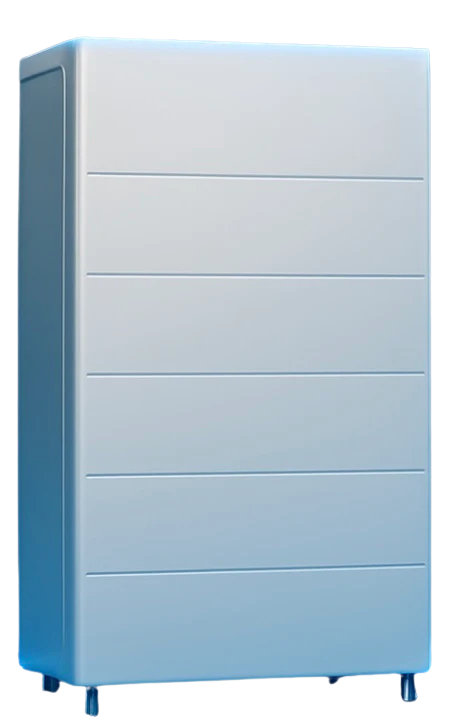
- Tesla Powerwall: One of the most trusted names in battery storage. The Powerwall offers sleek design, high capacity, seamless backup transition, and active participation in Virtual Power Plants (VPPs).
- Sigenergy:A newer but fast-growing battery option offering modular systems, good VPP integration, and comprehensive smart energy management tools.
- Growatt & Sun Grow: Economical battery solutions with scalable storage. While not as premium as Tesla, they’re suitable for large families looking for reliable overnight storage without overspending.
Look at the full package: battery capacity, warranty length, VPP compatibility, and intelligent software. These factors determine how well your battery will perform today and how well it adapts as your energy needs change, especially with growing EV use.
Matching Brands to Your Property’s Needs
If your acreage home runs multiple systems simultaneously, avoid underpowered or incompatible setups. Systems should be designed around your peak usage periods, not just average daily loads. That often means combining reliable panels like Canadian or Jinko with powerful batteries such as the Tesla Powerwall or Sigenergy’s stackable models.
And don’t overlook warranties. Stick with brands offering at least 10-year product warranties and 25-year performance guarantees on panels. Batteries should guarantee a solid cycle life, preferably with performance coverage over time—not just presence.
Smart solar investments start with trusted brands built to handle Melbourne’s conditions and large-family energy usage. Don’t settle for cheap. Build for lasting performance.
Integrating Solar Battery Storage and Virtual Power Plants (VPP)
Adding a solar battery to your home’s solar system is more than a backup plan. For large Melbourne households managing high energy consumption, solar batteries play a critical role in storing excess solar power, reducing dependence on the grid, and making EV charging more affordable overnight.
Why Solar Batteries Make Sense for Acreage Homes
During the day, your solar panels often generate more energy than your household uses. Without a battery, that surplus goes straight to the grid—usually at a much lower feed-in rate than what you’d pay to buy electricity. A solar battery changes the equation. It stores that extra power, so you can use it later when your system isn’t generating but your demand continues.
For homeowners with EVs, battery storage means you’re no longer forced to charge your vehicle during expensive peak hours. Instead, your system stores sun-fed electricity during the day for evening and overnight use. That lowers your reliance on grid power and cuts a major portion of your electricity bill.
- Efficient energy use:Consume more of your own solar energy rather than exporting it for minimal return.
- EV charging made cheaper:Use stored solar to keep your vehicles running without tapping the grid every night.
- Protection during blackouts:Some batteries, like Tesla Powerwall and Sigenergy, allow seamless backup power when the grid fails.
What Is a Virtual Power Plant (VPP)?
Once you’re running a solar-plus-battery system, a VPP allows you to join a network of connected batteries across your area. These systems are coordinated to contribute stored energy back to the grid during times of high demand. When you participate in a VPP, you may receive payments or credits for supporting grid stability—effectively turning your home into a small-scale energy provider.
- Reduce your bills further: Get rewarded for sharing stored energy with the grid.
- Stay in control:Most programs allow you to set limits on how much capacity you share.
- Compatible with leading batteries:Tesla Powerwall, Sigenergy, and similar systems are built with VPP in mind.
Smart Energy, Smart Return
Combining battery storage with VPP participation adds a second revenue stream to your solar setup. You cut usage costs with self-consumption and gain potential financial returns from VPP export. The key is choosing a system that meets your usage levels and supports smart energy management software to automate it all.
Solar batteries aren’t just storage—they’re your tool for day-and-night energy control with long-term payoff.
Reducing Electricity Bills and Tackling the Cost of Living with Solar Power
As a homeowner in Melbourne balancing high energy usage, a mortgage, and day-to-day family costs, the pressure of utilities is hard to ignore. Solar systems directly target one of the biggest household expenses—electricity. With the right setup, you gain not just savings but consistency against unpredictable rate spikes.
Starting with the Right Numbers
Before you commit, you’ll want a clear picture of the system’s financial impact. Calculating savings begins with your average energy consumption in kilowatt hours (kWh), daily usage patterns, and electricity rates. Most large family homes on acreage with electric vehicle charging and appliances like pool pumps or ducted air will fall into the higher usage bracket.
A well-sized solar panel and battery system can offset the bulk of that daily usage. Solar providers typically offer a usage assessment, helping you estimate monthly generation, self-consumption, feed-in tariffs, and system payback period. The value isn’t just in the power you produce—it’s in what you no longer have to buy.
Managing Usage to Maximise Return
Beyond installation, smart energy behaviour boosts results. Here’s how large households can drive efficiency:
- Use during daylight hours: Run major appliances when solar production is highest.
- Prioritise smart loads: Use load controllers to schedule EV charging, water heating, and pool filtration during solar surplus.
- Battery storage: Store unused daytime energy to use at night instead of drawing from the grid.
The more solar energy you consume directly, the higher your return. Exporting is less valuable. Batteries solve this by keeping energy onsite until you actually need it.
Combatting Rising Electricity Prices
Energy prices in Victoria can move sharply, with peak and shoulder rates eating into household budgets. Solar softens that impact by reducing your grid draw and giving you more predictable costs. It’s especially helpful in homes where power usage is upwards of average due to EVs and family lifestyle.
Solar is one of the few solutions that lowers ongoing costs while increasing your home’s energy resilience.
The cost-of-living conversation often centres on food, fuel, and interest rates. But electricity is just as critical—and easier to control with smart solar investments tailored to your household’s actual consumption.
Long-Term Financial Advantage
Solar adds up year after year. Between rebates, self-consumption, and battery integration, your system starts paying off from month one. The longer you stay in your home, the more future rate hikes you sidestep. And for homeowners with kids, running costs don’t ease anytime soon.
Think of solar as cost protection for your family’s next two decades—not just for this year’s bill shock.
Financing Your Solar Power Installation: Loans, Rebates, and Payment Plans
One of the biggest decisions when going solar is how to pay for it. For Melbourne homeowners juggling a mortgage, family expenses, and utilities, the ability to access sensible, reliable financing can determine how quickly you see a return. The good news is, there’s a solid range of options designed to reduce the upfront cost and spread payments in a way that won’t blow your budget.
Government-Backed Interest-Free Loans
Victoria’s state government offers interest-free loans specifically for solar panel systems and battery installations. These loans are available to eligible homeowners who meet certain criteria around income limits and property value. If approved, you can repay the loan over a set period, typically via manageable monthly instalments added to your rates or handled through direct debit.
This eases the financial load dramatically. Instead of paying a large lump sum, you can install a fully functional solar-plus-battery system now and pay it off gradually—without the pressure of mounting interest.
Flexible Private Financing Options
If you don’t qualify for the government-backed loan, or if you want to fund a system beyond the rebate ceiling, private financing is another path. Several solar providers and financing partners offer low-interest or zero deposit plans that allow you to own the system outright over time.
- No deposit required: Start your install without waiting to save up.
- Fixed repayment terms: Know exactly what you’ll pay each month.
- Bundle the costs: Combine solar panels, battery, and installation into a single payment plan.
Always check the terms carefully—particularly fees for early repayment or changes. The goal is cost certainty without hidden catches.
Make the Most of Rebates First
Before you sign any financing deal, apply eligible government rebates to lower your total cost. Federal and state rebates can cover a significant share of your installation. Reducing what you owe upfront means lower monthly repayments and faster payback.
This is where CEC-approved solar retailers make a real difference. They’re familiar with current rebate structures and can handle the paperwork. Some will even deduct the rebate amount immediately so you’re only financing the net balance.
Tips to Maximise Financial Benefit
- Bundle panels and battery: Financing both together can save on system integration costs and simplify repayments.
- Use offset savings: Put the money you save monthly on electricity toward your repayment. In many cases, your system pays for itself with bill reductions.
- Choose a system that fits your usage: Overspending on capacity you don’t use delays ROI. Underspending can lead to needing add-ons later.
Smart financing isn’t just about low rates. It’s about making the transition to solar without financial fatigue.
When paired with rebates, interest-free loans or structured payment plans allow Melbourne families to build long-term energy independence fast—without adding stress to the monthly budget.
Planning Your Solar Installation: What Melbourne Homeowners Should Expect
Getting solar right starts with strong planning. For Melbourne homeowners on acreage properties with large families and high electricity usage, installing the wrong system (or working with the wrong installer) can lead to ongoing costs and underperformance. Here’s a breakdown of what to expect from start to finish.
Selecting a Qualified Installer
Start by choosing a CEC-accredited solar retailer. This ensures your system is installed to Australian standards, making you eligible for federal and state rebates. Look for providers with:
- Strong track record: Years in business and positive feedback from similar-sized homes.
- Warranties: At least 10-year workmanship and product warranties.
- Clear system design proposals: Including layout visuals and yield estimates based on your needs.
Don’t rush this step. Selecting the right installer sets the foundation for long-term reliability and savings.
Assessing System Size for Your Property
Acreage homes with large families and electric vehicles typically need more capacity than standard households. Your installer will assess:
- Average daytime and night-time energy usage
- Number and charging habits of EVs
- Additional loads like pool pumps, HVAC, and water heating
- Roof orientation, shading, and surface area
- Site inspection: Confirms the proposed design and uncovers any physical or electrical issues.
- Grid connection approval: Required from your network distributor before installation begins.
- Installation day: Most solar panel installs are completed in 1 to 2 days. Battery systems may need additional setup time.
- Meter reconfiguration: If your meter needs upgrading for solar export, expect an additional [insert days] for this to be completed by your retailer.
- Annual inspections: A technician checks wiring, inverter function, and system health.
- Panel cleaning: Particularly important after dust storms or extended dry periods. Avoid abrasive tools and use purified water if cleaning yourself.
- Battery monitoring: Use manufacturer software to track charge cycles, faults, and performance trends.
For many Melbourne properties, this results in systems ranging from medium to high capacity, often combined with battery storage to capture excess solar for evening and overnight use. The goal is to match output with peak household usage patterns, not just daily averages.
Installation Timeline
From sign-off to switch-on, the standard timeframe looks like this:
In total, plan for [insert timeframe] from deposit to activation, depending on your provider’s schedule and grid approval speed.
Maintaining Your Solar System
Clean, well-maintained systems produce better and last longer. Here’s what you can do to protect your investment:
Most premium inverters and batteries come with smart apps or online dashboards. Set reminders to check these monthly so any issues get addressed early.
Solar is not set-and-forget. Like any long-term household investment, performance improves with proactive care.
Ready to start? Work with providers who understand the demands of Melbourne acreage homes and will tailor a reliable, high-output system from day one.