
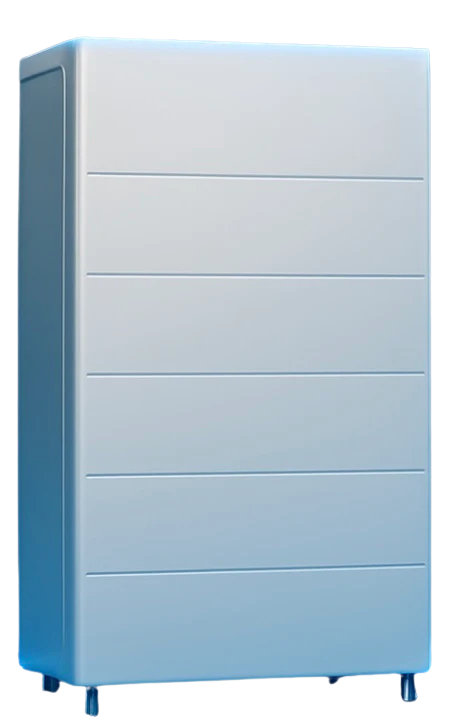
There is a common scenario that plays out in households across Australia every evening. You get home from work, the sun has just dipped below the horizon, and you start your nightly routine. You switch on the lights, start the dishwasher, maybe turn on the heating or cooling to get the house comfortable. And in the back of your mind, there is a tiny, nagging frustration.
You know that for the last eight hours, your roof has been soaking up glorious, free sunshine. Your solar panels have been working overtime, generating clean energy. But because you weren’t home to use it, that power was fed back into the grid—often for a fraction of what you are now paying to buy it back to cook your dinner. It feels like a missed opportunity. This is where the conversation about battery storage installation begins. It isn’t just an “add-on” anymore; for many Australians, it is the missing piece of the puzzle that transforms a solar system from a simple money-saver into a complete lifestyle revolution.
Closing the Loop on Your Energy
The concept is beautifully simple, even if the technology behind it is advanced. Installing a battery allows you to capture that midday sunshine and “time-shift” it to when you actually need it. It means that when you boil the kettle at 7:00 PM, or when you run the air conditioner through a sticky summer night, you are still running on the sun.
This shift changes your relationship with your home. You stop policing the light switches. You stop worrying about peak tariffs. There is a profound sense of satisfaction in watching your smart energy app and seeing that your house is humming along completely self-sufficiently, long after the stars have come out. It is about closing the loop and ensuring that the investment you made in your roof actually benefits you first, before it benefits the energy retailer.
Security in an Unpredictable World
Beyond the economics, there is an emotional driver that is becoming increasingly important: security. We have all noticed that our weather is becoming wilder and more unpredictable. Storms roll in faster, and the grid can struggle to keep up.
For a home without a battery, a blackout is a blackout—even if you have solar panels on the roof. Most standard systems shut down for safety reasons when the grid goes down. But with a properly integrated battery storage installation, your home can have a heartbeat of its own.
The “Lights On” Moment
Imagine the power goes out in your neighborhood during a summer storm. The streetlights go dark, and your neighbors are scrambling for torches and candles. In your home, however, the lights barely flicker. Your essential appliances stay on. The internet keeps working. This capability—often called “backup” or “blackout protection”—is one of the most tangible benefits of modern storage systems. It provides a layer of safety and comfort for your family that is hard to put a price tag on.
Why Expertise Matters More Than Ever
It is important to be realistic, though. Adding a battery isn’t as simple as plugging in a toaster. We are talking about high-capacity energy infrastructure that sits at the heart of your home. This is where the “True” in True Solar Nation becomes critical.
Battery chemistry, load balancing, and integration with existing inverters require a high level of technical nuance. You need a partner who understands not just how to bolt a box to a wall, but how to design a system that matches your specific energy habits. Are you planning to get an Electric Vehicle soon? Do you have a pool pump that runs all day? These questions dictate the type of storage you need.
Choosing a certified, experienced installer ensures that your system is safe, compliant, and optimized for longevity. It’s about future-proofing. As we move toward a world of smart grids and virtual power plants, your battery becomes an asset that interacts with the wider world.
Ultimately, battery storage is about taking the final step toward independence. It turns your home into a sanctuary that is resilient, efficient, and truly modern. If you are tired of renting your power from the grid and ready to start owning it, the technology is finally ready to meet that ambition.