
Reliable backup power in Australia is no longer a “nice to have.” For many commercial, agricultural and high-end residential properties, it sits right alongside staffing, equipment and stock as a non‑negotiable cost of doing business and living.
Grid instability, extreme weather and rising electricity prices all add pressure. When the power drops, production lines stall, cold rooms start to climb in temperature, pumps stop, office systems go offline and large homes lose comfort and security. Every interruption has a cost, whether that is lost product, missed revenue, equipment stress or the simple frustration of being at the mercy of the grid.
The stakes are high for high‑demand sites
Across Australia, three groups feel this most.
- Commercial and industrial operators need continuous three‑phase supply for machinery, compressed air, data and HVAC. Even short outages can disrupt schedules, damage work in progress and blow out labour costs.
- Agricultural and rural properties depend on stable power for irrigation, bore pumps, shearing sheds, refrigeration and processing gear. Outages often occur right when weather and markets are already putting pressure on margins.
- Large residential estates run pools, EV chargers, ducted air, security systems and often workshops or home offices. Owners expect comfort, safety and independence, even when the street is dark.
All three groups face the same core problem, just with different load profiles. You need predictable power costs, protection from blackouts and a system that can carry heavy three‑phase loads without drama.
Backup generators versus the CQ6 Energy System
Traditionally, the answer has been a diesel or petrol generator sized to carry your critical loads. Generators are familiar and can deliver serious power, but they bring noise, exhaust, fuel storage, ongoing maintenance and exposure to fuel price swings.
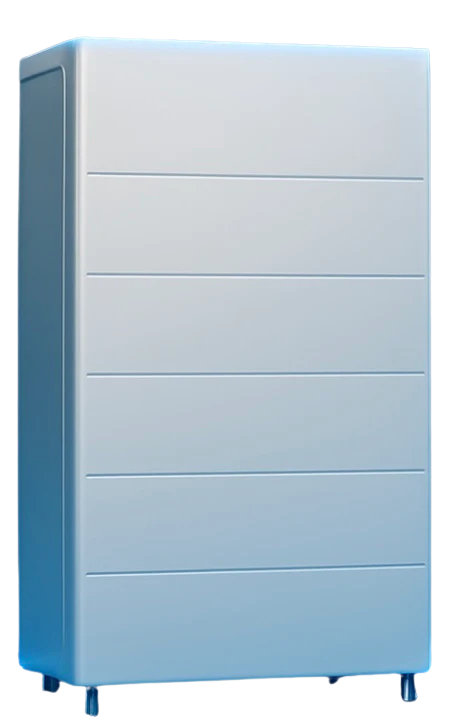
The CQ6 Energy System takes a different path. It combines high‑capacity battery storage with a commercial‑grade three‑phase inverter, built to keep significant loads running for extended periods, without constant generator noise or fuel burn. For many Australian businesses and premium homes, it now sits beside traditional gensets as a primary backup option and a long‑term energy management tool.
This guide will walk through how conventional generators compare with CQ6 on reliability, performance, costs, environmental impact and day‑to‑day practicality, so you can choose the backup strategy that genuinely supports your property, your people and your budget.
Understanding Backup Generators: Functionality, Benefits, and Limitations
Before you compare CQ6 with anything else, it helps to be clear about what a traditional backup generator actually does on your site.
How Backup Generators Work
A backup generator converts fuel into electrical power through a combustion engine. When the grid fails, an automatic transfer switch detects the outage and starts the generator. Once it reaches stable output, the switch transfers your nominated circuits from the grid to the generator supply.
For commercial, agricultural and large residential properties, generators are usually configured for three phase output. This allows them to run:
- Large motors and pumps
- Production machinery and compressors
- Commercial HVAC and refrigeration
- Whole of property loads on high end homes
Correct sizing and protection are critical. Undersize the genset and it will struggle on motor starts. Oversize it and you pay for unnecessary capacity and higher fuel use.
Fuel, Maintenance and Operational Costs
Most larger backup generators in Australia use diesel. Petrol and gas units appear on smaller or more residential sites, but the basic story is similar. You are committing to:
- Fuel storage and delivery, including tanks, refilling logistics and safety compliance
- Regular testing, so it actually starts under load when the grid fails
- Scheduled servicing, such as oil, filters, coolant, belts and inspections
- Wear and tear repairs, especially on older or heavily cycled units
Your running cost rises and falls with fuel price. If outages stretch over long periods, or if you choose to use the generator for peak shaving, fuel burn can become one of your highest energy expenses.
Noise, Emissions and Site Impact
Engines create noise, vibration and exhaust. Even with acoustic enclosures, commercial gensets are rarely quiet. For rural homesteads near sheds, boutique accommodation, premium estates or urban commercial sites, noise and fumes can limit when and how long you are comfortable running the generator.
For businesses and owners focused on sustainability targets, generator exhaust also sits awkwardly beside solar and energy efficiency efforts.
Lifespan and Fuel Dependency
With correct maintenance, a quality generator can provide reliable service across many outage events. The trade off is that its lifespan depends on how hard and how often you run it, and every operating hour adds to servicing needs.
The biggest constraint is fuel dependency. If there is a supply disruption, a delivery delay or a sharp price rise, your backup strategy feels less “backup” and more like another exposure. That dependency is one of the key reasons many high demand sites now compare conventional gensets with long duration battery systems like CQ6 before committing fresh capital.
The CQ6 Energy System Explained: Technology, Capabilities, and Advantages
The CQ6 Energy System is built for properties that treat power security as critical infrastructure, not an afterthought. Instead of burning fuel every time the grid misbehaves, CQ6 stores energy in high capacity batteries, then delivers it through a commercial grade three phase inverter that behaves like a stable, on demand power plant for your site.
Core Components and How They Work Together
A typical CQ6 configuration includes:
- High capacity battery bank that stores energy from the grid or solar and discharges it during outages or peak tariff windows.
- Three phase inverter that converts the stored DC energy into clean AC power suitable for heavy machinery, pumps and whole of property loads.
- Smart control system that monitors grid status, load demand and battery state of charge, then switches sources automatically.
- Protection and switching gear that isolates circuits, safeguards equipment and integrates with existing switchboards.
Everything is engineered to work as a single, coordinated system. The aim is simple, keep your priority loads running with minimal operator input and predictable running costs.
Commercial Grade Three Phase Support
CQ6 is designed for three phase properties from the ground up. That means:
- Support for motors, compressors, pumps and HVAC that expect true three phase supply
- Balanced phases to avoid nuisance trips and voltage swings
- High surge capability for motor starts and step loads
If you are running serious plant or a large estate with workshop equipment, this three phase backbone is what separates CQ6 from smaller residential batteries.
Long Duration Storage and Quieter Operation
The CQ6 battery capacity is sized for extended outages, not just brief flickers. You can configure storage for [insert duration] of backup at [insert load level], then scale up as your site grows by adding extra battery modules or a second stack.
Because CQ6 is battery based, it operates almost silently. There is no engine noise, no warm up cycle and no exhaust. For premium homes, mixed use commercial sites or rural properties with nearby accommodation, that quiet operation makes a big difference to comfort and amenity.
Reduced Fuel Dependency and Seamless Backup
CQ6 dramatically reduces your exposure to diesel or petrol pricing. You can charge from off peak grid power, on site solar or a mix of both, then discharge when the grid fails or tariffs spike. Fuel can still sit in the background, for example with a smaller generator feeding into the system as a top up, but it no longer defines your entire backup strategy.
When the grid drops, CQ6 reacts in real time. The inverter picks up the load within a very short transfer window, so lights, refrigeration, pumps and IT stay online. For staff and residents, the most obvious sign of an outage is often the street going dark while your site keeps running.
Built for Demanding Environments and Scalable Growth
CQ6 hardware is designed for real Australian conditions. That includes electrical rooms in commercial buildings, rural sheds, and service areas on large estates where dust, heat and variable ventilation are part of daily life. Correct mounting, clearances and ventilation are planned as part of the installation so the system runs within its comfort zone.
Scalability is straightforward. If your load profile increases, you can:
- Add more battery storage to extend backup duration
- Pair CQ6 with additional solar to reduce grid draw and charging costs
- Stage upgrades so capital spend follows business growth
For many owners, that flexibility is what makes CQ6 a long term energy platform rather than a single purpose backup box. If you want to explore a typical configuration, you can review the CQ6 48 kW three phase energy system and use it as a reference point for your own site.
Comparative Operational Reliability and Performance
Response Time When the Grid Fails
Backup generators rely on a mechanical start sequence. The transfer switch must sense the outage, signal the engine to start, wait for it to reach stable speed, then move your load across. That process takes a noticeable window. For lighting and some general power this may be acceptable, but for IT systems, process controls or sensitive refrigeration controls, even short interruptions can cause nuisance trips, data loss or manual restarts.
The CQ6 Energy System works very differently. The inverter is already online, monitoring grid quality and site load. When the grid drops or voltage drifts outside limits, CQ6 shifts to island mode within a short transfer period that feels seamless for most equipment. Critical loads like pumps, compressors, controls and servers stay powered without the “all off, all on again” experience that comes with many genset arrangements.
Handling Heavy and Sustained Loads
Well specified generators are strong at handling large, continuous loads. They can carry long production runs or extended irrigation cycles as long as fuel is available and cooling is adequate. The challenge appears at low load or cycling load. Light loading over longer periods can cause engine issues, glazing and extra servicing, so many sites try to keep gensets within a preferred load band, not always easy with variable demand.
CQ6 is designed for sustained three phase duty with high surge capability. The inverter manages motor starts, welders, compressors and mixed loads without the mechanical constraints of an engine. Storage duration depends on how you size the battery bank. For very long outages, you can pair CQ6 with a smaller generator that only runs to top up the batteries, which keeps the engine inside an efficient load range and reduces total run hours.
Uptime Consistency and Site Resilience
With gensets, uptime comes down to fuel, maintenance discipline and starting reliability. If the unit has been regularly serviced, tested under load and fuel quality is good, performance is usually solid. If testing slips, batteries age or filters clog, problems tend to show up right when the grid fails and pressure is highest.
CQ6 has fewer moving parts and no combustion engine, so there is less that can physically fail in the moment of an outage. Routine checks still matter, but there is no cranking sequence or fuel system to worry about. In rural locations with rougher access for service technicians, this lower mechanical dependency becomes a clear advantage.
Power Quality and Protection of Sensitive Equipment
Generators provide acceptable power quality when correctly sized and maintained, but they can suffer from voltage dips on large motor starts, frequency variation under sudden load changes and harmonic issues with certain loads. Sensitive equipment such as PLCs, VSDs, lab gear or high end home electronics may need extra filtering or power conditioning.
CQ6 delivers clean, inverter based AC with stable voltage and frequency. That consistency supports variable speed drives, control systems and premium residential electronics without additional conditioning in most cases. For sites investing in quality equipment, this stability reduces nuisance trips, error codes and premature wear caused by poor power quality.
Performance in Commercial, Agricultural and Estate Settings
On commercial and industrial sites, generators can handle very high peak loads, but noise, exhaust and vibration can be intrusive near offices or retail areas. CQ6 offers quieter operation and better power quality for mixed commercial loads, while still supporting three phase machinery when sized correctly.
For agricultural and rural properties, gensets remain familiar and easy to understand, but they depend on fuel deliveries and can be less pleasant to run near homesteads or accommodation. CQ6 suits pump sheds, dairies and packing areas that need long duration backup with minimal supervision and low noise, particularly when paired with on site solar and a quality three phase hybrid inverter such as a 10 kW three phase hybrid system.
On large residential estates, CQ6 clearly aligns with expectations for quiet, seamless backup and whole of property coverage. Generators can still sit behind the scenes as a secondary source if desired, but in day to day life, most owners prefer a battery first strategy that feels more like a permanent quality-of-supply upgrade than an emergency appliance.
Cost Considerations: Initial Investment, Running Costs, and Long-Term Financial Impact
When you compare backup generators with the CQ6 Energy System, cost is not just about the purchase price. You need to weigh capital spend, day to day operating costs, impact on electricity bills and how predictable your total energy spend will be over the life of the system.
Upfront Capital Expenditure
Backup generators usually start with a lower ticket price for basic hardware. However, the installed cost quickly rises once you factor in:
- Acoustic enclosures and exhaust management for noise sensitive or built up sites
- Fuel storage, bunding and compliance
- Concrete pads, crane lifts and switchboard upgrades
- Automatic transfer switches and control gear
CQ6 involves a higher initial investment for batteries, three phase inverter hardware and smart controls. On the other hand, it often needs less civil work and no bulk fuel infrastructure. For many commercial, rural and estate properties, CQ6 sits in the same broad capital range as a well specified generator installation once everything around the unit itself is included.
Fuel and Maintenance Running Costs
With a generator, every blackout or peak shaving event burns fuel and racks up engine hours. Your long term cost structure includes:
- Fuel usage that tracks market prices
- Routine services at set hour intervals
- Periodic overhauls, component replacements and load testing
These costs keep coming whether or not you have reduced your grid bill.
CQ6 shifts most of your running cost into electricity used to charge the batteries. You can target off peak tariffs or site solar, then avoid running a generator for every disturbance. Scheduled maintenance is lighter, with checks focused on electrical components rather than combustion hardware. Over the life of the system, many owners prefer this fuel free operating profile because they are not exposed to sudden price spikes or emergency fuel deliveries.
Impact on Electricity Bills and Peak Tariffs
A generator only strategy rarely lowers your standard electricity bill. At best, you might use it deliberately during peak tariff windows, although fuel and maintenance often erase much of the benefit.
CQ6 is built for tariff management as well as backup. You can charge when tariffs are low, discharge during peak windows and shave high demand events that push you into more expensive brackets. For high load commercial and agricultural sites, as well as estates with heavy evening usage, this approach can reduce total grid purchases and smooth the bill profile.
Properties that already have or plan to add solar can push this further by pairing CQ6 with a high capacity hybrid inverter such as a three phase battery and inverter package, using solar to feed both daytime loads and CQ6 charging.
Long-Term Cost Predictability and Financial Planning
With generators, long term budgeting is harder. Your total cost of ownership depends on how many hours you run, how fuel prices move and how much unplanned maintenance appears as the unit ages.
CQ6 offers clearer predictability. You have a known capital cost, relatively stable maintenance requirements and charging that can be mapped against published tariffs or modeled solar output. For owners who value stable operating costs and structured asset planning, that predictability is often just as important as the headline savings.
The key financial question is not simply “Which is cheaper to buy?” A better framing is, “Which system gives me reliable backup, control over my energy spend and fewer surprises over its working life?” For many Australian businesses, rural properties and large homes, CQ6 provides a stronger answer to that question than a fuel dependent generator alone.
Environmental and Lifestyle Impact
Noise Levels and Everyday Comfort
Backup generators use combustion engines, so noise and vibration come with the territory. Even with acoustic enclosures, a generator running near offices, workshops, cold rooms or a rural homestead can dominate the soundscape. For premium homes, boutique accommodation, medical suites or customer facing commercial sites, that constant engine note often feels intrusive, especially at night.
The CQ6 Energy System operates quietly. Batteries and inverters do not need an engine cycle, so normal operation is more a soft hum than a presence you have to work around. Staff can talk easily, guests sleep without disruption and large homes keep their sense of calm. For many owners, that change in day to day experience is just as valuable as the technical performance.
Emissions, Fuel Use and Sustainability Goals
Generators burn diesel, petrol or gas and produce on site exhaust every time they run. For businesses working toward environmental targets, or for agricultural operations conscious of air quality around livestock and workers, this can sit in direct conflict with sustainability statements on the front page of the website or in tenders.
CQ6 significantly reduces fuel use by shifting most backup and peak support to stored electrical energy. When paired with quality solar, such as a high capacity battery and inverter package from a specialist supplier, charging can lean heavily on on site generation rather than grid imports. This aligns more cleanly with net zero pathways, ESG reporting and the expectations of environmentally aware customers and residents.
Suitability for Noise Sensitive and High Amenity Sites
On commercial and industrial properties, generator noise can carry through offices, meeting rooms and retail areas, which can affect productivity and customer experience. CQ6 suits mixed use buildings where you need strong three phase support in the plant area, without turning the rest of the site into an industrial zone every time the grid drops.
For rural and agricultural sites, generators near homesteads, farm stays or staff quarters can limit when you are comfortable running them. CQ6 allows long duration backup for pumps, refrigeration and processing while keeping the sound profile low around living spaces. If you want to expand storage later, systems such as a high capacity three phase battery and inverter system offer a scalable path.
On large residential estates, lifestyle expectations are high. Owners want full power, including EV charging, pool systems and climate control, without the smell and noise of a generator starting in the driveway. CQ6 fits that premium expectation, giving quiet, almost invisible backup that feels like standard mains power.
Quality of Life and Brand Perception
How you handle backup power shapes how people experience your property. A loud generator that floods car parks or courtyards with exhaust sends a very different message to a silent system that keeps everything running without drama.
CQ6 aligns with modern expectations for clean, quiet and responsible infrastructure. For commercial and industrial owners, that supports brand positioning and compliance obligations. For rural operators, it supports practical comfort and safety on site. For high net worth homeowners, it protects the sense of privacy and calm they invest in their properties for.
For many Australian sites, the question is no longer just “Will the power stay on?” It is also “How does my backup strategy affect the way people feel and live while it is doing its job?” On that measure, CQ6 offers a clear lifestyle and environmental advantage over a generator only approach.
Making the Choice: Aligning Backup Power with Your Priorities
Choosing between traditional generators and the CQ6 Energy System is not a one size decision. The right answer depends on what you run, where you are, how you use power and how much risk you are willing to carry around outages and fuel.
Key Decision Factors to Work Through
Use this simple framework to compare options on your own site.
- Industry and load type
List your critical three phase loads, for example pumps, compressors, refrigeration, machining, HVAC or whole of property supply. If you need clean power for electronics and controls along with heavy motors, CQ6 usually fits better than a generator only approach. - Location and grid reliability
In urban areas with short, infrequent outages, a smaller generator may be enough for bare minimum backup. In rural zones with longer interruptions or slower fault response, long duration storage from CQ6 helps you avoid long engine run times and fuel stress. - Energy usage pattern
Map when your peak demand occurs and which loads must stay on. If you face regular high tariffs or strong evening peaks, CQ6 can support tariff management as well as backup. A generator cannot do that without high fuel cost. - Tolerance for outages
Decide what level of downtime is acceptable. If the answer is “close to zero” for production, cold storage, irrigation cycles or lifestyle comfort, fast, seamless response from CQ6 gives you a stronger safety net than a start up generator. - Maintenance capability
If you have in house mechanical skills and are comfortable managing engines, a generator can work. If you prefer low touch ownership with fewer moving parts, CQ6 reduces the routine workload. - Long term energy goals
If you plan to grow solar, stabilise bills and support sustainability targets, a battery based platform such as CQ6 aligns far better than a fuel only system. You can pair it with high capacity storage products, for example a large commercial or estate battery, and scale as you go.
Where CQ6 Delivers Superior Value
For commercial and industrial owners, CQ6 provides stable three phase power, cleaner supply for sensitive equipment and a path to reduce exposure to peak tariffs. That supports production planning, compliance and predictable operating costs.
For agricultural and rural properties, CQ6 cuts fuel dependency, keeps pumps and refrigeration running quietly through extended outages and fits neatly with on site solar. You gain resilience without constantly hearing or smelling an engine.
For large residential estates and high net worth homeowners, CQ6 delivers whole of property backup that feels like normal grid power, with minimal noise and a premium, future ready profile.
The practical test is simple. Ask which option will protect your operations, control your costs and fit the way you want to live or work for the next [insert timeframe]. For many Australian high demand sites, the answer is a CQ6 Energy System at the centre, with generators used as a secondary or transitional tool rather than the main line of defence.
When you are ready to map this to real hardware, you can review high capacity three phase packages in the True Solar Nation shop and use them as reference points for your own load profile and growth plans.