

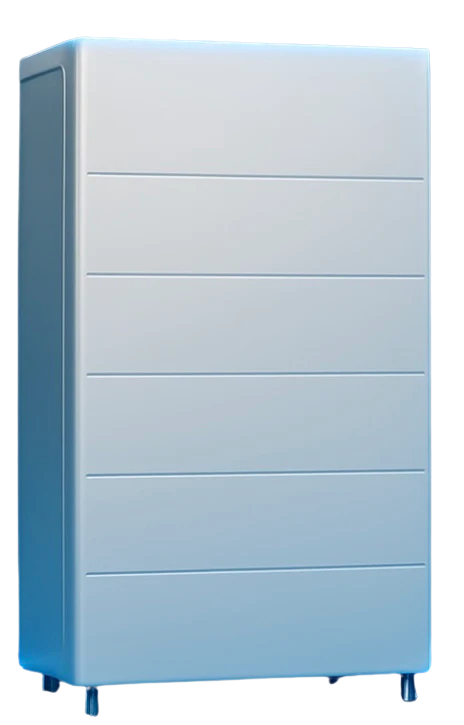
Fox ESS vs Tesla Powerwall: Which Solar Battery Is Better in Australia?
Quick Comparison: Fox ESS CQ6 vs Tesla Powerwall 3
| Feature | Fox ESS CQ6 | Tesla Powerwall 3 |
|---|---|---|
| Battery Type | Lithium Iron Phosphate (LFP) | Lithium-ion |
| Battery Capacity | 11.98 kWh – 83.86 kWh per tower (modular) | 13.5 kWh fixed capacity per tower |
| Module Size | 5.99 kWh per module | Not modular |
| Scalability | Up to 14 modules per tower | Add multiple Powerwalls |
| Inverter | Requires Fox Hybrid Inverter (5kW / 8kW / 10kW / 15kW etc.) | Built-in hybrid inverter |
| Inverter Output | Depends on inverter model | Up to about 11 kW continuous output |
| Solar Input | Depends on inverter used | Up to 20 kW solar input |
| Expandability | Very high (commercial-level storage possible) | Moderate |
| Monitoring | FoxCloud monitoring platform | Tesla App |
| Typical Use | Large homes / commercial / high consumption | Residential homes |
| Warranty | Usually 12 years | 12 years |
| Price (Australia) | Generally Best In Value per kWh | Expensive |
Why Fox ESS Wins
Superior Capacity
48kWh in one unit vs 13.5kWh per Powerwall. Store more energy, power more appliances.
Higher Power Output
10-15kW inverter vs 5.8kW. Run multiple high-demand devices simultaneously.
Better Value
$15,000-$22,000 for 48kWh vs $60,000+ for equivalent Tesla capacity.
Australian Support
Local service team, Australian-optimized system, faster response times.
Easy Expansion
Modular design allows simple capacity upgrades without replacing entire system.
Higher Efficiency
95%+ efficiency vs Tesla's 90%. Less energy loss during conversion.
Key Takeaway
Power Output: Real-World Performance
Fox ESS: 10-15kW
- Run AC + EV charger + water heater simultaneously
- Power multiple high-demand appliances
- Ideal for large homes and commercial use
- Better for peak demand management
Tesla Powerwall: 5.8kW
- Limited simultaneous appliance support
- Cannot run AC + EV charger together
- Better for average residential homes
- Limited commercial viability
Real-world example: During peak summer, running air conditioning (3-5kW) + EV charging (7kW) = 10-12kW demand. Fox ESS handles this easily; Tesla Powerwall cannot.
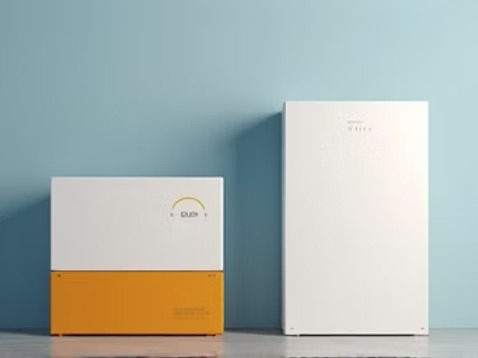
Battery Capacity: The Biggest Difference
- Large homes with EV charging
- Properties with pool pumps and HVAC systems
- 3-phase homes
- Commercial installations and businesses
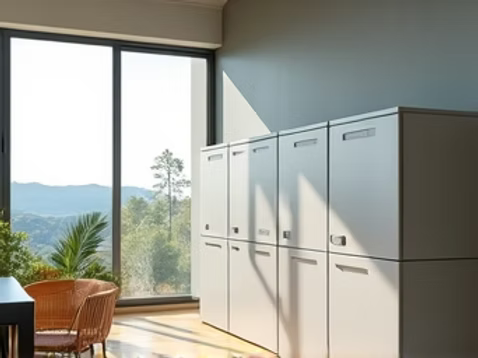
Scalability and Flexibility
- Growing households
- Businesses with increasing power needs
- Commercial solar storage solutions
Which Battery Is Better?
Choose Tesla Powerwall if you:
- Have moderate electricity consumption
- Want a simple residential solution
- Prefer Tesla ecosystem integration
Choose Fox ESS CQ6 if you:
- Have high electricity demand
- Require a 3-phase solar battery
- Want a 42kWh or larger battery system
Frequently Asked Questions
Fox ESS offers 3.5x more capacity (48kWh vs 13.5kWh), higher power output (10-15kW vs 5.8kW), better efficiency (95% vs 90%), and superior Australian support at comparable pricing.
Fox ESS 48kWh provides 3.5x more storage than a single Tesla Powerwall (13.5kWh). You’d need 4 Powerwalls to match Fox ESS capacity, costing $60,000+.
Fox ESS costs $15,000-$22,000 for 48kWh. Tesla Powerwall costs $15,000-$18,000 per unit. For equivalent capacity, Tesla costs 3-4x more.
No. Fox ESS is optimized for Australian conditions with local support, better efficiency, and higher power output. Tesla offers limited local service and higher costs.
Yes, Fox ESS modular design allows easy expansion. Tesla requires stacking multiple units, which is complex and expensive.
Both are reliable with 10-year warranties. Fox ESS uses proven LFP technology with 6000+ cycle lifespan. Both suitable for residential and commercial use.
Australian Support Matters
Fox ESS: Local Support
- Dedicated Australian support team
- Fast response times (same-day service)
- Optimized for Australian climate
- Familiar with local regulations
- Local warranty support
Tesla: Limited Support
- Overseas-based support
- Slower response times
- Limited local expertise
- Unfamiliar with local conditions
- Limited local warranty service
Australian Support Matters
power output, and support.
3.5x
70%
2x
Explore Fox ESS Options
configurations? Explore our capacity-focused, inverter-focused, and pricing pages below.
Ready to Choose Fox ESS?
compared to Tesla Powerwall.