
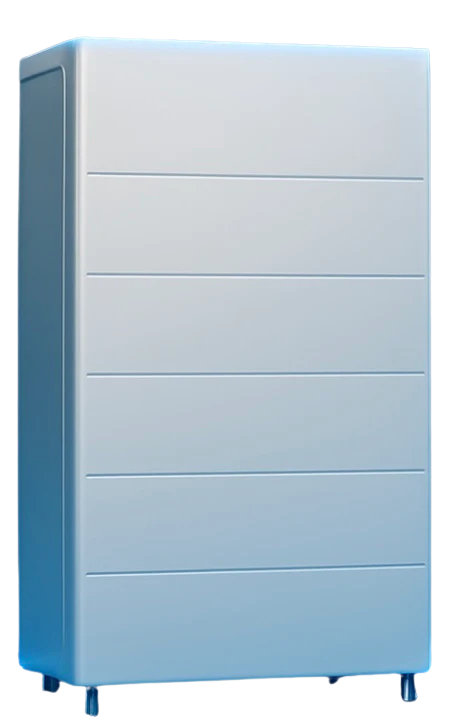
If you own your home on acreage, have a big family, one or more EVs, and a mortgage to juggle, your power bills probably feel like they are moving in the wrong direction. Long driveways, sheds, pumps, heating and cooling for larger homes, and nightly EV charging all add up. For many Australian households in this position, solar panels alone are no longer enough to keep electricity costs under control.
Why Solar Batteries Matter For Large Family Acreage Homes
Solar panels do their best work during the day, but most high demand in a family home lands in the evening and early morning. That is when everyone is home, cooking, cleaning, streaming, and charging EVs. Without a battery, much of your solar power is exported to the grid during the day, then you buy power back at a higher rate at night.
A solar battery changes this pattern. It stores your excess daytime solar and lets you use it when your family actually needs it. For acreage homes with larger roof space and bigger systems, this stored energy can cover a significant share of household and EV charging needs.
Managing Bills, Cost Of Living, And Mortgage Pressure
If you are already balancing a mortgage and the general cost of living, every unpredictable bill hurts. A quality solar battery system, such as Foxx ESS, CQ6, or EQ4800, is designed to help you:
- Use more of your own solar instead of sending it to the grid
- Reduce exposure to evening peak tariffs that hit large families hardest
- Support reliable EV charging at home without worrying about bill spikes
- Build long term bill stability as energy prices shift over time
The goal is simple, keep more of your money in your own pocket while you pay off the house and run a busy household.
Government Solar Battery Rebates And Incentives
Solar batteries are a serious investment, which is why many Australian homeowners look for support from the federal government rebate for solar batteries and other government rebate programs. These incentives can help reduce the upfront cost of systems from brands such as Foxx ESS, CQ6, EQ4800, Tesla Powerwall, Sigenergy, and others.
While the details vary by program, most rebates reward:
- Installing a battery with approved solar panels and inverters
- Using accredited installers and compliant equipment
- Connecting to options such as a Virtual Power Plant (VPP) where available
Government rebates on batteries are a key reason more families are acting now, not later. When you stack rebates with the long term bill savings from using more of your own solar, the numbers often become far more attractive for a mortgage holding family.
Batteries As Part Of A Complete Green Energy Home
For many acreage homeowners, the goal is not just cheaper bills, it is a cleaner, more self reliant home. Solar batteries sit at the centre of that system, working alongside:
- Solar panels from brands such as Canadian Solar, Jinko, and others
- Quality inverters from providers such as Growatt and SunGrow
- EV charging at home for one or more electric vehicles
- Smart monitoring that shows you exactly where your energy is going
This is where systems like Foxx ESS, CQ6, and EQ4800 come into focus. Each one offers its own approach to capacity, scalability, and smart control for busy families on larger properties. In the next sections, we will look at how they compare, how they work with common solar brands such as Jinko and Canadian Solar, and how they can help you take full advantage of current government battery rebates.
Overview Of Foxx ESS, CQ6, And EQ4800 Solar Battery Systems
Foxx ESS, CQ6, and EQ4800 all sit in the same category, dedicated solar battery systems built for households that want to store more of their own solar and run larger homes with confidence. Each system has its own strengths, but they all aim at the same core result, reliable stored energy for your family, your acreage, and your EVs.
Foxx ESS Solar Battery Systems
Foxx ESS is known for modular battery storage that can scale from smaller systems through to larger setups suitable for acreage homes. You typically start with a base battery unit, then add extra modules as your needs grow, for example when you add a second EV or a new shed.
- Capacity and scalability: Stackable battery modules that can grow with your solar array and family demand.
- Compatibility: Designed to integrate with common solar panel brands, including Canadian Solar panels, Jinko, and systems supplied through retailers such as Sunboost.
- Inverter options: Works with compatible hybrid or separate inverters, including well known brands often used across Australia.
- Smart home integration: App based monitoring that lets you track solar generation, battery charge, and household use in real time.
For larger properties, the modular structure of Foxx ESS can suit staged upgrades, where you start with a solid base system and expand as your budget and energy needs change.
CQ6 Solar Battery Systems
CQ6 systems tend to focus on compact design paired with practical storage capacity. They are often chosen where homeowners want a straightforward, tidy install that still supports serious energy use.
- Capacity and sizing: Configurations suitable for day to night coverage in a busy family home, with options to increase storage within the same product family.
- Panel compatibility: Can pair with a wide range of solar panels, including Canadian Solar, Jinko, and systems promoted by brands such as Solar Power Nation or Penrith Solar.
- Inverter technology: Works with compatible inverters from brands such as Growatt and Sun Grow, which many Australian installers already use.
- Smart controls: Energy monitoring and scheduling features that help you prioritise EV charging or household loads at the right times.
For acreage households that want a clean, space efficient solution in a garage or utility room, CQ6 can fit neatly while still feeding heavy evening loads.
EQ4800 Solar Battery Systems
EQ4800 systems are typically positioned as robust, high capacity storage for homes with higher than average consumption. This makes them well suited to properties that run pumps, workshops, multiple air conditioning units, and regular EV charging.
- High usable capacity: Designed to cover deeper overnight use, which is valuable for large families and EV owners.
- Scalability: Options to expand storage within the EQ4800 range so your system can grow with extra solar panels or new electrical loads.
- Compatibility with solar brands: Can be configured with solar arrays that include Canadian Solar panels, Jinko, and systems supplied by well known Australian retailers such as Sunboost.
- Smart and VPP ready design: Typically suited to integration with monitoring platforms and, where supported, connection to Virtual Power Plant (VPP) programs.
For acreage homes that treat solar and storage as core infrastructure rather than a small add on, EQ4800 can deliver the type of capacity needed to smooth out big swings in daily demand.
The key takeaway is that Foxx ESS, CQ6, and EQ4800 all support large family homes with solar panels, EV charging, and modern inverters, including popular brands like Canadian Solar, Jinko, Growatt, and Sun Grow. The right choice depends on how much capacity you need now, how much room you want to grow, and how you plan to manage your energy through smart apps and, where available, VPP participation.
Detailed Comparison Of Foxx ESS, CQ6, And EQ4800 Performance
To choose the right solar battery for a busy acreage home, you need to see how Foxx ESS, CQ6, and EQ4800 compare on the features that actually affect your bills and day to day living. The table and notes below give you a clear, practical view of how each system stacks up for large families, EV charging, and long term reliability.
Key Feature Comparison
| Feature | Foxx ESS | CQ6 | EQ4800 |
|---|---|---|---|
| Typical battery capacity range | Modular storage suited to small, medium, and larger acreage homes | Compact systems sized for medium to high household demand | Higher capacity focus for heavy overnight and EV use |
| Scalability for future growth | Strong modular expansion, good for staged upgrades over time | Configurable within the product family, suitable for planned capacity increases | Designed for larger storage blocks and expansion for high demand sites |
| Energy efficiency characteristics | High efficiency focus to support daily charge and discharge cycles | Balanced efficiency tuned for regular family and EV loads | Efficiency optimised for deeper overnight discharge patterns |
| Warranty structure | Warranty aligned with standard residential solar battery expectations | Coverage typical of quality residential storage products | Warranty approach suited to higher cycle and higher load use |
| Lifecycle and cycling profile | Designed to handle frequent daily cycling for self consumption | Built for consistent day to night cycling in family homes | Focused on longevity under higher depth of discharge and frequent use |
| Installation complexity | Modular format can mean more planning but very flexible layouts | Compact design often suits straightforward wall or floor mounting | Larger units may need more space and planning for placement and clearances |
| VPP (Virtual Power Plant) suitability | Commonly supported where VPP programs accept compatible hardware | Often suitable for VPP participation through supported platforms | Well suited to VPP where available due to strong capacity and smart controls |
| Smart monitoring and control | App based monitoring with solar, battery, and load visibility | Monitoring and scheduling tools for household and EV priorities | Advanced control focus suited to complex loads and VPP links |
What This Means For Your Bills And Daily Use
For a large family on acreage, the headline issue is simple, how well will the battery soak up your excess solar during the day and feed your home and EVs at night. Each system can achieve this, but they suit slightly different priorities.
- Foxx ESS works well if you want flexible growth. You might start with enough capacity to cover evening use, then add more storage later when you install a second EV charger or expand your solar array.
- CQ6 suits households that want tidy installation and solid, predictable coverage from day to night. It supports serious energy use without taking over your whole garage or plant room.
- EQ4800 is ideal when you already know your loads are high. Regular EV charging, pumps, multiple air conditioners, and big entertainment or workshop loads benefit from its focus on higher capacity and deeper overnight use.
If you plan to join a VPP, each of these systems can be configured for participation where your retailer or chosen program accepts the hardware. In practice, that can mean extra bill credits or payments in exchange for letting a portion of your stored energy support the grid during peak events.
The practical outcome for your family is more control over when you buy from the grid, less exposure to peak tariffs, and better use of the solar panels already on your roof, whether they are Canadian Solar, Jinko, or systems installed through providers such as Solar Power Nation or Penrith Solar.
Government Rebates And Financial Incentives For Solar Batteries
For a large family on acreage, the gap between wanting a battery and actually buying one usually comes down to upfront cost. This is where Australian government rebates and other financial incentives can make Foxx ESS, CQ6, and EQ4800 far more attainable, especially if you already have solar panels and one or more EVs.
Types Of Solar Battery Incentives In Australia
While programs change over time, homeowners commonly see support in a few main forms.
- Federal level incentives for solar and storage that help reduce the upfront cost when you install a compliant system with approved components.
- State or territory programs that may offer direct rebates, interest free loans, or bill credits for eligible battery installations.
- VPP participation benefits where joining a Virtual Power Plant with a compatible battery such as Foxx ESS, CQ6, or EQ4800 can provide bill credits or other financial rewards.
These can stack in different ways, so it is important to plan your battery choice and installer around the specific incentives available in your area.
General Eligibility Checklist For Homeowners
Most government rebate or incentive schemes follow similar rules. Before you budget for your battery, check that you can tick boxes such as:
- Owner occupier status for the property, not a tenant or landlord claiming for a rental.
- Existing or new rooftop solar installed with approved panels and inverters, such as Canadian Solar, Jinko, Growatt, Sun Grow, and systems from providers like Solar Power Nation or Penrith Solar.
- Approved battery product on the relevant program list, which is where systems such as Foxx ESS, CQ6, EQ4800, Tesla Powerwall, and Sigenergy often appear.
- CEC accredited installer handling the design and installation so your system meets all safety and compliance rules.
- Grid connected property with an eligible meter configuration that allows export and monitoring.
Your installer should confirm these points before you sign anything, so you do not miss out on a rebate due to a technicality.
How The Application Process Usually Works
Application steps vary between programs, but most follow a similar structure that you can use as a planning template.
- Pre check your address, ownership, and existing solar system against the current rebate rules.
- Select a compliant battery such as Foxx ESS, CQ6, or EQ4800 that appears on the relevant approved product lists.
- Obtain a tailored quote from a CEC accredited installer that clearly shows battery model, capacity, inverter pairing, and installation scope.
- Submit an application through the scheme portal or with your installer’s assistance, including your quote and any required identification or property details.
- Wait for pre approval where required, then proceed with installation once the program confirms your eligibility.
- Complete installation and sign off including electrical certificates and compliance documents.
- Claim or receive the rebate either as an upfront discount on your invoice or as a later payment, depending on how the specific program operates.
How Foxx ESS, CQ6, And EQ4800 Fit Into Rebate Programs
From a rebate perspective, the three battery types share similar strengths.
- Foxx ESS often fits well where programs value modular capacity and VPP readiness. Its scalable design can suit schemes that reward higher storage or flexible demand response.
- CQ6 can be attractive where rebate rules emphasise compact, compliant residential systems with clear integration to approved panels and inverters.
- EQ4800 typically aligns with incentives that encourage larger storage for high consumption homes, especially when paired with strong solar arrays on acreage properties.
In all cases, the key is simple. The specific Foxx ESS, CQ6, or EQ4800 model you choose must appear on the relevant approved product lists, and your installer must document the system correctly when lodging the application.
The bottom line for your household is that government rebates on batteries can significantly reduce the upfront cost of going ahead with a quality system. When combined with long term savings on electricity bills and smart participation in VPPs where available, Foxx ESS, CQ6, and EQ4800 can become a realistic, cost effective step toward a more stable and green energy home for your family and your EVs.
Cost Considerations And Impact On Cost Of Living
For a working household on acreage, with a mortgage, kids, and one or more EVs, the real question is not just “Which battery is best” but “How does this choice affect our cost of living over the long haul”. To answer that, you need to look at the total cost of ownership for Foxx ESS, CQ6, and EQ4800, not only the sticker price.
Main Cost Components You Need To Budget For
When you compare Foxx ESS, CQ6, and EQ4800, break the investment into clear parts.
- Purchase price for the battery system itself, including the specific capacity you choose and any required control hardware.
- Inverter and balance of system, especially if you are upgrading from a solar only setup to a compatible hybrid or separate battery inverter.
- Installation fees, which depend on:
- Where the battery will go on your acreage property
- Switchboard and cabling upgrades
- Any slab, wall reinforcement, or weather protection needed
- Government rebates or incentives that can reduce the net upfront cost when you use approved products and CEC accredited installers.
- Ongoing maintenance, typically low for modern lithium batteries, but you should budget for periodic inspections and possible component replacements over the system life.
Ask your installer to present these items as a single, clear proposal for Foxx ESS, CQ6, and EQ4800 so you can make a like for like comparison.
How A Battery Can Ease Mortgage And Cost Of Living Pressure
For a large family, the real value sits in bill stability. When you combine solar panels from brands like Canadian Solar or Jinko with a correctly sized Foxx ESS, CQ6, or EQ4800, you can:
- Cover more of your evening and overnight use from stored solar instead of peak grid power.
- Shift regular EV charging to times when your battery and solar can support it, instead of relying on late night grid tariffs.
- Reduce the impact of bill spikes, which helps with monthly budgeting alongside your mortgage repayments.
- Use smart monitoring to trim waste, for example by scheduling pool pumps or hot water to run when your battery is full.
Think of the battery as a long term bill control tool. You pay once, then use it every day for many years to smooth cash flow for your household.
Comparing Long Term Value For Foxx ESS, CQ6, And EQ4800
Each system has a different cost profile that suits different acreage homes.
- Foxx ESS often works well if you want to manage cash carefully. You can start with a modest capacity that your budget allows, then add modules later as your mortgage eases or your energy needs grow.
- CQ6 is attractive if you want a single, neat installation with clear, predictable performance. It often suits families who prefer to do one well planned project that covers their typical day to night usage.
- EQ4800 usually suits properties with heavy and consistent demand, such as multiple EVs, pumps, and cooling. The upfront cost can be higher, but the value shows when you consistently soak up large amounts of solar that would otherwise be exported at low rates.
Ask for projected bill savings over a typical year based on your actual usage pattern, including EV charging, rather than generic estimates. This helps you see how fast each option could offset part of your electricity spend.
For a mortgage holding family on acreage, the right solar battery does two things. It softens the shock of quarterly bills, and it gives you more control over long term energy costs at a time when every regular saving helps with the broader cost of living.
Integration With Solar Panels, EV Charging, And Smart Energy Management
For a large family on acreage, the real strength of Foxx ESS, CQ6, and EQ4800 shows when they sit at the centre of a complete green energy setup. The goal is simple, let your solar panels, battery, EV charger, and smart controls work together so you buy less from the grid and use more of the power you produce on your own roof.
Working With Solar Panels And Inverters
All three systems are designed to integrate with common solar brands used across Australia, including Canadian Solar panels, Jinko, and systems supplied through retailers such as Solar Power Nation, Sunboost, and Penrith Solar.
- Foxx ESS pairs well with hybrid or separate inverters, including brands such as Growatt and Sun Grow. Its modular design lets you scale storage as you expand your solar array on sheds or additional roof space.
- CQ6 suits homeowners who want a neat, compact install tied into an existing or new solar system. It works with standard string inverters, and your installer can configure it so daytime excess flows into the battery instead of straight to the grid.
- EQ4800 typically targets larger arrays on acreage homes. It can be matched with higher capacity inverters so you can charge the battery quickly on sunny days and still have power left to run daytime loads.
The key is proper system design. A CEC accredited installer will size your battery against your solar panels and inverter so you avoid common issues such as chronic undercharging or frequent full export while the battery sits idle.
EV Charging Integration For Busy Households
With one or more EVs in the driveway, your charging habits matter. Foxx ESS, CQ6, and EQ4800 can all support smarter EV charging when paired with compatible chargers and control software.
- Timed charging uses battery and solar output as the first priority, so your EV draws from stored or real time solar instead of expensive evening grid power.
- Load management helps prevent overloading when you have an EV charging, air conditioning, pumps, and household appliances running together.
- Priority rules allow you to choose what matters most. For example, you might prioritise keeping a minimum battery reserve for overnight house loads, then allocate spare capacity for EV charging.
In practice, a well configured Foxx ESS, CQ6, or EQ4800 system can turn your solar and battery into the primary “fuel station” for your EVs, which is a strong lever for lowering overall cost of living.
Smart Monitoring, Automation, And VPP Readiness
All three systems support smart monitoring through apps or web portals. This is where you take control of your usage rather than guessing what the next bill will look like.
- Real time visibility shows how much power comes from solar, battery, and grid at any moment. You can see when the kids, the pool pump, or EV charging are pushing demand up.
- Scheduling and automation let you set rules such as charging the battery from solar only, topping up from off peak grid power, or pre cooling the home while the sun is strong.
- VPP compatibility means, where available, you can connect Foxx ESS, CQ6, or EQ4800 to a Virtual Power Plant. This can provide extra income or credits in exchange for sharing a portion of your stored energy during peak events.
The end result for a large family on acreage is a coordinated green energy system. Solar panels from brands like Canadian Solar or Jinko feed your Foxx ESS, CQ6, or EQ4800 battery, your EVs charge at smarter times, and your monitoring app shows exactly how these pieces work together to keep your electricity bills under control while you focus on your mortgage and daily family life.
Conclusion And Recommendations For Large Family Acreage Homeowners
If you own a larger home on acreage, run one or more EVs, and feel every power bill alongside the mortgage, Foxx ESS, CQ6, and EQ4800 each offer a clear path to more control. The best choice depends on how your family lives, how much you want to invest now, and how you see your property growing over time.
Strengths And Limitations At A Glance
- Foxx ESS
- Strengths: Highly modular, good fit for staged upgrades, strong match for growing solar arrays and changing family needs.
- Limitations: Modular layouts can require more planning and may take up more physical space as you expand.
- CQ6
- Strengths: Compact, tidy installation, straightforward operation, solid for typical day to night family usage.
- Limitations: Less focused on very large capacity blocks, so may not be the best long term fit if you expect very high loads across the property.
- EQ4800
- Strengths: High usable capacity, strong for heavy overnight demand, well suited to pumps, workshops, multiple EVs, and VPP participation.
- Limitations: Usually targets bigger systems, so the upfront investment and space requirements can be higher.
How To Match A System To Your Home And Goals
Use this simple decision framework when you speak with a CEC accredited installer.
- If your main goal is flexibility on a tight budget Choose Foxx ESS. Start with a capacity that covers your core evening loads, then add modules when cash flow and energy needs allow.
- If you want a clean, one and done install Choose CQ6. Aim for a system sized to your current solar array and typical daily pattern so it quietly does its job in the background.
- If your acreage is already power hungry Choose EQ4800. Work with your installer to size it against high, consistent demand from EVs, pumps, and climate control.
Make The Most Of Rebates And Trusted Installers
Do not leave government rebates on the table. Ask directly about the current federal government rebate for solar batteries and any local programs, and confirm that your chosen Foxx ESS, CQ6, or EQ4800 model appears on the relevant approved lists.
Then focus on who designs and installs your system. Reputable Australian providers such as Solar Power Nation or Penrith Solar, using CEC accredited designers and installers, can:
- Match your battery to quality panels such as Canadian Solar or Jinko.
- Pair it with compatible inverters like Growatt or Sun Grow.
- Prepare correct paperwork for rebates and, where suitable, VPP participation.
For a large family on acreage, a well chosen Foxx ESS, CQ6, or EQ4800 battery is not just another gadget. It becomes part of the core infrastructure of your home, sitting alongside your solar, your EVs, and your mortgage planning. With the right design, government rebate support, and a trusted installer, you can turn high and unpredictable electricity bills into something far more stable and manageable, while moving your property firmly toward long term green energy living.