
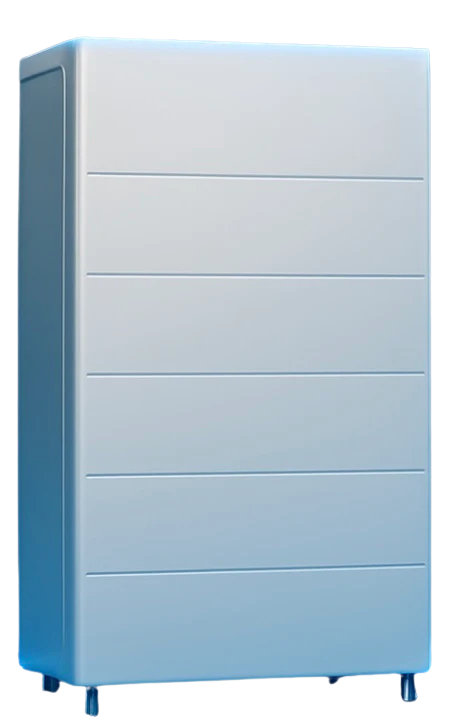
Lighting up a big Australian home and charging an EV on an acreage property puts serious pressure on your electricity bills. If you are juggling a mortgage, a large family and rising cost of living, every power bill matters. This is where a well sized solar battery, such as a 42kWh system, starts to make real financial and lifestyle sense.
Solar panels do the heavy lifting during the day, but without a battery you still buy a lot of power from the grid in the evening and overnight. A solar battery stores your excess solar energy so you can use it when the sun is down. For many Australian families on larger properties, a 42kWh battery capacity sits in the sweet spot for serious bill reduction and EV support, without stepping into oversized, underused storage.
Why 42kWh matters for family homes on acreage
A 42kWh battery is designed for homes that use a lot of power. Think multiple air conditioning units, pool or bore pumps, fridges and freezers, home offices, and one or more EVs. On an acreage property, you often have:
- More space, which usually means more appliances and bigger climate control needs
- Higher night time usage, with longer drives home and later EV charging
- Limited public transport, so the EV is essential, not optional
With the right solar array, a 42kWh battery can cover a significant share of your after dark usage. That means fewer peak rate charges, lower power bills and more predictable household costs, which is critical when you are already committed to a mortgage.
Relief for electricity bills and cost of living pressure
Every unit of solar energy you store and use at home is one less unit you buy from the grid. For a working family, that can translate to:
- More affordable EV charging at home, instead of relying on grid or public chargers
- Better control over when you draw from the grid, so you can avoid the most expensive periods
- Smoother, more predictable bills that are easier to budget around your loan repayments
Ready for rebates and future smart energy options
Modern 42kWh solar battery systems from trusted brands such as Tesla Powerwall, SunGrow, Growatt, Sigenergy and others are built to integrate with quality solar panels from suppliers such as Canadian Solar, Jinko, Sunboost and similar providers. Many are compatible with government rebate programs and virtual power plant (VPP) participation, which can improve payback and long term value.
You deserve a reliable, transparent path to lower bills
For Australian homeowners with growing families and high energy needs, solar battery storage is no longer a luxury. It is a practical tool to cut electricity costs, protect your budget and support green energy goals. A correctly designed 42kWh system gives you meaningful storage capacity, strong backup for your lifestyle on the land and a solid foundation for the rest of your solar and battery decisions in 2026.
What Determines How Long a 42kWh Battery Lasts?
When homeowners ask how long a 42kWh battery will last, the honest answer is simple. It depends on how you use power in your home, how you charge your EV, and how well your solar system is set up for your acreage property. The capacity figure, 42kWh, is only the starting point.
From 42kWh on paper to usable energy in your home
A 42kWh battery does not usually give you the full 42kWh to use every day. Most quality systems, such as Tesla Powerwall, SunGrow, Growatt or Sigenergy, protect part of the capacity to extend battery life. This is linked to something called depth of discharge (often written as DoD).
In simple terms, the deeper you regularly drain a battery, the more it can impact long term performance. A well designed system will:
- Reserve a small portion of capacity in the background to protect the battery
- Use smart controls to manage discharge during heavy use, such as EV charging
- Balance daily cycling so you get strong bill savings without unnecessary stress on the battery
This is why expert sizing and setup matter more than chasing the biggest number on a brochure.
Household energy use on acreage properties
Large family homes on acreage often have higher electricity needs than suburban homes. How long your 42kWh battery lasts overnight or through cloudy weather depends on:
- Number of occupants, more people usually means more showers, cooking, laundry and device charging
- Appliance mix, such as multiple fridges and freezers, pool pumps, bore or dam pumps, ducted air conditioning and electric hot water
- Daily routines, for example late night air conditioning, kids on screens, and EV charging after work
If your evening and overnight usage is lower, your 42kWh battery can comfortably carry you through to the next solar day. If the home runs several heavy loads at once, the same battery will discharge much faster.
EV charging habits make a big difference
For families using one or more EVs, charging strategy is critical. A 42kWh battery can support EV charging, but how long it lasts depends on:
- Whether you charge mostly during the day on solar, or at night from the battery
- The size of your EV battery and how low it is when you plug in
- Whether you use scheduled charging to avoid clashing with other heavy loads
Smart planning often uses daytime solar production for bulk EV charging, then keeps a good portion of the 42kWh battery for the rest of the household after dark. This approach stretches your storage further and reduces grid imports during peak rates.
Seasonal solar and daily cycling impact lifespan
Solar generation is not the same in every season. On many Australian acreage properties you will see:
- Longer, sunnier days in some parts of the year, which keep the 42kWh battery topped up more easily
- Shorter or cloudier days in other periods, which can leave the battery less than fully charged
How you manage the battery through these changes affects both daily performance and long term lifespan. Key points include:
- Daily cycling, each full charge and discharge counts as one cycle, and high quality brands are designed for a large number of cycles when used correctly
- Depth of discharge, avoiding constant, very deep discharges can support stronger performance over many years
- System settings, for example backup reserve levels, charge priorities, and integration with a home energy management system
The better your system is matched to your actual usage, the longer your 42kWh battery feels like it lasts each day.
Integrating a 42kWh Solar Battery with Solar Panels and Home Energy Systems
A 42kWh battery only performs at its best when it is matched with the right solar panels and a properly configured home energy system. For a large family home on acreage, the goal is simple. Charge the battery hard during the day from quality panels, then run the house and your EVs for as long as possible before you need the grid.
Pairing your 42kWh battery with the right solar array
To keep a 42kWh battery working effectively, you need enough solar generation on the roof or shed. Brands such as Canadian Solar Panels, Jinko and providers like Sunboost offer panel options that can be configured into larger arrays that suit acreage roofs and outbuildings.
When designing your system, an expert installer will usually:
- Size the solar array to cover daytime household loads and still have strong surplus to charge the 42kWh battery
- Use multiple roof faces or shed roofs to spread production across the day
- Allow for future loads, such as a second EV, upgraded air conditioning or a new pump
A well matched solar array is what keeps your 42kWh battery full and working for you, not the other way around.
Integrating Tesla Powerwall, SunGrow and Growatt systems
Battery brands such as Tesla Powerwall, SunGrow and Growatt are built to integrate with modern solar and home energy systems. For a large family property, key design points usually include:
- Inverter compatibility, making sure the battery and solar inverter talk to each other cleanly
- Single or three phase supply, common on acreage properties, which affects how many batteries or inverters you need
- Backup capability, deciding if you want selected circuits or the whole home backed up during outages
Tesla Powerwall, SunGrow and Growatt systems typically offer smart monitoring apps or portals. These let you see how much of your 42kWh storage you use each night, how much solar is charging it, and where you can trim waste to cut bills further.
Designing for acreage and farm style properties
Acreage living brings specific challenges that your solar and battery design must handle properly.
- Long cable runs between sheds, pumps and the main switchboard, which need correct sizing to avoid losses
- High pump loads for bores, dams or irrigation, often on timers or pressure switches
- Outbuilding usage such as workshops, cold rooms or granny flats that add to total demand
A smart 42kWh battery setup often uses a centralised system at the main switchboard, with subcircuits from sheds or secondary buildings fed through monitored breakers. This lets the home energy system see the whole property, not just the main house, and manage battery discharge in a controlled way.
Maximising energy independence and reducing grid reliance
When a 42kWh battery, quality solar panels and a capable inverter are properly integrated, you can aim for:
- High self consumption, using most of your solar on site instead of exporting it for low credits
- Peak shaving, running the home and EV charging from stored energy during expensive tariff periods
- Targeted backup, protecting key loads such as fridges, water pumps, internet and selected lighting
For a working family with a mortgage and an EV, that means more predictable bills, fewer surprises from peak tariffs and stronger control over how and when you buy from the grid.
When your 42kWh battery, solar panels and home energy system are designed as one integrated solution, your acreage property stops being a liability on power bills and starts working as a reliable source of green energy for your family.
Government Rebates and Incentives for Solar Battery Installation in Australia
For many Australian families on acreage, the question is not just whether a 42kWh solar battery is a good idea. The real question is how to make it affordable while you manage a mortgage, cost of living pressure and day to day family expenses. This is where government rebates, incentives and VPP programs can make a meaningful difference to payback time and cash flow.
Federal government support for solar batteries
There is a range of federal level support that can reduce the upfront cost of a solar and battery system. While programs can change, the key idea stays the same. The government provides benefits for installing approved solar and battery systems that support green energy and reduce grid demand.
When you work with a CEC accredited installer and recognised brands such as Tesla Powerwall, SunGrow, Growatt, Sigenergy and reputable solar panels like Canadian Solar or Jinko, you position your project to meet typical eligibility criteria such as:
- Using CEC approved products and accredited installers
- Installing the system on an eligible residential property that you own and occupy
- Complying with local network and safety requirements
The safest path is to let an expert installer handle the rebate process so you do not miss out on entitlements you qualify for.
Eligibility criteria you should be ready for
While each program has its own rules, most homeowners on acreage can prepare by checking a few common points in advance.
- Your name is on the title of the property and the electricity bill
- The property is primarily used as your home, not for short term rental
- The solar battery is connected to the grid in line with your local distributor rules
- The system capacity, including a 42kWh battery, fits within current size limits for small scale residential systems
Keeping documents such as rates notices, power bills and ID ready will make any application or installer handled claim smoother.
How to apply without the headaches
Most reputable solar companies, including brands and partners you may know such as Sunboost or Solar Power Nation, streamline the process so you do not have to deal with complex forms alone. A typical path looks like this.
- Energy and site assessment, an accredited consultant reviews your usage, EV needs and acreage layout.
- System design, they specify a 42kWh battery, solar panels and inverter setup that meets rebate program rules.
- Paperwork and approvals, the installer prepares and submits rebate, incentive and network connection applications.
- Installation and commissioning, once approved, the team installs, tests and registers the system.
- Rebate applied, the value of rebates or incentives is usually taken off your upfront invoice or provided as a credit.
Extra incentives from solar and VPP programs
Beyond core government rebates, there are often extra benefits linked to solar panels and virtual power plant programs. These can help families on acreage speed up their return on a 42kWh battery investment.
- Solar panel incentives, support for approved solar systems can reduce the cost of the panel side of your setup, which is vital for keeping a large battery like 42kWh properly charged.
- VPP participation benefits, some VPP programs provide bill credits, special tariffs or installation support if you allow your Tesla Powerwall, SunGrow, Growatt or similar battery to take part in controlled grid support events.
- Retailer offers, some energy retailers offer tailored plans for solar and battery customers on larger properties, with different peak and off peak structures that suit EV charging and high household loads.
When you combine solar battery rebates, solar panel incentives and a well chosen VPP, the effective cost of a 42kWh system can become far more manageable, even while you are paying down a mortgage and feeding a big family.
For homeowners on acreage who are serious about cutting electricity bills and supporting EV charging with green energy, it pays to design your 42kWh battery system around current rebates and incentives from day one.
How Virtual Power Plants (VPP) Enhance the Value of Your Solar Battery
Once you have invested in a 42kWh solar battery for your acreage home, the next smart step is to make it work harder for you. This is where Virtual Power Plants (VPP) come in. A VPP links your home battery with many other residential systems to act like a flexible power station that supports the grid and rewards you for taking part.
What a VPP actually does with your 42kWh battery
In a VPP, your battery is connected to a central platform run by an energy retailer or program operator. When the grid is under pressure or prices are high, the platform can:
- Discharge a portion of your 42kWh battery to the grid when it is most valuable
- Charge your battery at times that are cheaper or better for grid stability
- Coordinate thousands of small batteries to act like one large, responsive power plant
You still use your solar energy at home, but the VPP manages part of your stored energy in the background, within agreed limits, to generate extra value.
How VPP participation can support battery longevity
Many homeowners worry that VPP participation will overwork their 42kWh battery. In practice, a well managed VPP can help protect the system when it is set up correctly.
- Controlled cycling, VPP events are usually short and targeted, which spreads battery use in a more balanced pattern.
- Smart depth of discharge settings, good platforms respect reserve limits, so you still have energy left for your family’s needs and backup.
- Optimised charging, the VPP can top up your battery at efficient times, which avoids long periods sitting at very low or very high charge levels.
For a busy acreage home running pumps, air conditioning and EV charging, this kind of smart scheduling helps your 42kWh battery work within sensible operating ranges, which supports long term performance.
Financial benefits for large households with EVs
For a mortgage paying family, the real attraction of a VPP is the chance to cut electricity bills further and improve cash flow.
- Bill credits or payments, many VPPs provide credits on your bill or periodic payments when they use your Tesla Powerwall, SunGrow, Growatt or similar battery during events.
- Better tariffs, some programs offer special energy plans with more attractive rates, which can align well with EV charging on off peak or solar rich periods.
- Higher value from each kWh stored, instead of just avoiding retail tariffs, a portion of your stored energy can be sold or rewarded at times when the grid really needs it.
On a larger property, where usage is high and every bill hurts, these extra value streams help your 42kWh system pull its weight financially.
Why VPPs suit acreage and farm style properties
Acreage homes often have higher and more flexible loads, which actually makes them strong VPP partners.
- Big evening loads, air conditioning, pumps and EV charging can be aligned with VPP charge or discharge schedules.
- Plenty of roof space, larger solar arrays keep your 42kWh battery well charged, so you have spare capacity for VPP events.
- Resilience focus, many rural and fringe areas value backup power. VPPs can be configured to protect your chosen backup reserve level, so you still have energy in an outage.
The key is to choose a VPP that respects your backup needs, daily routine and battery warranty conditions, while still offering meaningful financial rewards.
When you combine a well designed 42kWh battery system with a suitable VPP, your acreage property shifts from just consuming energy to actively earning from it, which takes real pressure off your electricity bills and supports your family budget.
Comparing Popular Solar Battery Brands for Australian Homeowners: Tesla Powerwall, SunGrow and Growatt
Once you know a 42kWh battery capacity suits your acreage home, the next step is choosing the right brand mix. For many Australian homeowners, that usually means looking at Tesla Powerwall, SunGrow and Growatt. Each has its own strengths for capacity, warranty, price position and how well it fits a large family home with EVs and high night time usage.
Key comparison for acreage family homes
The table below sets out high level selection points to discuss with your CEC accredited installer. Use it as a framework to compare specific product models and quotes.
| Brand | Typical Battery Capacity Options | Warranty Style | Price Position | Inverter Compatibility | Ease of Installation | Suitability for Large Homes & Acreage |
|---|---|---|---|---|---|---|
| Tesla Powerwall | Modular units that can be combined to reach around 42kWh total storage | Long duration product and performance warranty, with cycle and capacity conditions | Positioned as a premium option | Works with many modern inverters and is often used with its own gateway hardware | Streamlined, wall mounted design with well documented install process | Very strong for high usage homes that want app control, VPP access and whole home backup options |
| SunGrow | Module based systems that can be scaled for medium to large homes, including up to around 42kWh | Structured product and performance warranty with defined capacity retention terms | Typically mid range position | Pairs well with SunGrow inverters and selected third party inverters | Stackable or cabinet style units suited to garages or plant rooms | Good match for acreage properties that need flexible sizing and strong solar integration |
| Growatt | Multiple stackable modules that can be combined to build toward a 42kWh system | Product and performance warranty within specified operating limits | Often positioned as a value focused option | Designed to work with Growatt inverters and selected compatible models | Modular layout that suits ground mounted installation in garages or sheds | Attractive for budget conscious families that still need serious capacity on larger properties |
What to look for when choosing a 42kWh battery system
For a working family on acreage, the right choice is less about brand loyalty and more about how the full system fits your lifestyle, mortgage and long term plans. Key factors to work through with your installer include:
- Total usable capacity, check how many units you need from each brand to reach roughly 42kWh of usable storage, not just nominal capacity.
- Warranty terms, look at duration, cycle limits, minimum retained capacity and any conditions linked to VPP participation or operating temperatures.
- Inverter pairing, decide whether you want a same brand solar and battery inverter combination, or a mix such as Canadian Solar or Jinko panels with a separate battery brand.
- Installation location, consider wall space, floor space, ventilation, dust, heat and distance from your main switchboard, especially on spread out acreage properties.
- Backup and VPP features, confirm how each brand handles backup circuits, whole home backup and VPP integration with your preferred retailer.
- Monitoring and controls, compare apps and portals for ease of use, EV charging coordination and visibility of your 42kWh storage overnight.
The right 42kWh solution is the one that fits your home layout, budget, EV habits and energy goals, while giving you a strong warranty and reliable support over the long term.
Tips to Maximize Your 42kWh Battery Life and Reduce Electricity Bills
A 42kWh battery gives your acreage home serious storage, but how you use it decides both your savings and how long the system lasts. With the right habits, settings and support, you can protect your investment, ease mortgage pressure and keep bills as low and predictable as possible.
Time your charging and discharging for savings
Your goal is simple. Fill the battery with cheap or free solar, then use that energy when grid power is most expensive.
- Prioritise daytime charging, set your system so solar first runs daytime loads, then charges your 42kWh battery, and only then exports to the grid.
- Use off peak tariffs when needed, if your plan has off peak periods, allow limited battery charging then, especially in low solar seasons.
- Avoid deep overnight drains, keep a sensible reserve in the battery so it is not constantly running down to very low levels.
The more of your evening and early morning usage you cover from the 42kWh battery, the less exposed you are to peak tariffs.
Balance EV charging with household needs
On a large property, EV charging can easily chew through stored energy if it is not managed carefully.
- Favour daytime EV charging where possible, plug in when the sun is high so you lean on solar instead of draining the battery.
- Use scheduled charging, set your EV to start or pause charging at set times so it does not fight with cooking, heating or pump loads.
- Set charge targets, for daily driving, you may not need a full EV battery every night. A lower target can leave more of your 42kWh storage for the house.
Smart EV habits help you avoid surprise spikes in grid imports and keep your 42kWh battery working for the whole family, not just the car.
Look after the battery to protect lifespan
Quality brands such as Tesla Powerwall, SunGrow, Growatt and Sigenergy are designed for long service when used correctly. You can support that by:
- Maintaining safe temperatures, keep units out of direct sun and away from extreme heat where possible.
- Respecting system limits, avoid frequent manual overrides that push depth of discharge beyond the installer’s recommended settings.
- Scheduling periodic check ups, arrange regular inspections so a CEC accredited technician can review connections, firmware and performance.
Good care now is cheaper than early replacement later, which matters when you are balancing a mortgage and family costs.
Use rebates and VPPs as part of your strategy
Rebates and VPP income are not just nice extras. They directly support your household budget.
- Claim all eligible rebates, work with a provider that actively manages federal government rebate processes for solar battery systems.
- Choose a VPP that fits your lifestyle, look for programs that respect backup reserves and offer clear bill credits for sharing part of your 42kWh capacity.
- Review your plan regularly, when your usage or EV needs change, check that your tariff and VPP settings still suit your pattern.
This helps your 42kWh battery not only cut bills, but also contribute to the income side of your energy equation.
Monitor and tweak with a home energy management system
Most modern solar battery systems, including Tesla Powerwall, SunGrow and Growatt, come with apps or portals that act as a simple home energy management system.
- Track daily patterns, watch when your 42kWh battery charges and discharges, and note any regular spikes.
- Shift flexible loads, move pool pumps, irrigation, laundry and dishwashers into high solar periods where you can.
- Set alerts, use notifications for low battery, high grid import or system faults so you can act early.
When you actively manage your 42kWh battery, instead of setting and forgetting it, you get stronger bill savings, better protection for your warranty and a more reliable green energy buffer for your family and your mortgage commitments.