
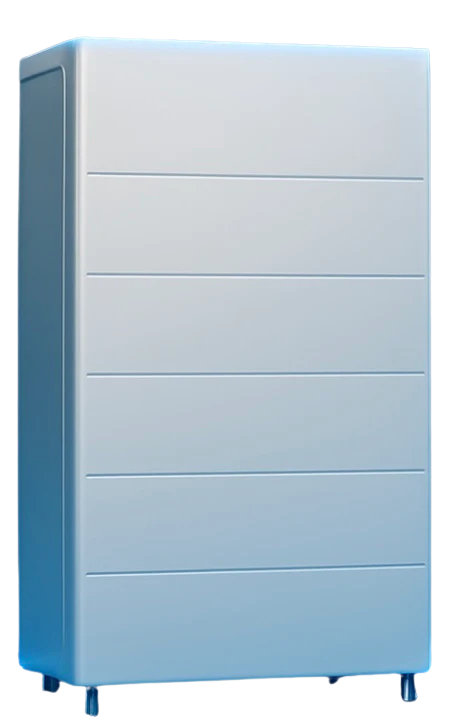
Solar batteries are no longer a luxury for acreage homes in Australia. They are fast becoming a practical tool to cut rising power bills and take pressure off the family budget in 2025.
This guide is written for you if you:
- Own your home in Australia and are paying off a mortgage
- Are in the 30 to 60 age bracket with a growing or large family
- Live on an acreage or larger property, not in an apartment or rental
- Run high household loads such as ducted air, pools, pumps and workshops
- Already drive an EV or plan to buy one soon
If that sounds familiar, you already know the pressure. Bigger homes mean bigger electricity bills. Longer driveway, more outdoor lighting, irrigation, home offices, chargers, the list keeps growing. At the same time, interest rates, groceries and general cost of living keep squeezing the household budget.
You need reliable power, but you also need the bills to stop climbing.
Where Solar Batteries Fit In
Solar panels do a lot of the heavy lifting during the day. The problem is that most families use the most power in the evenings when the sun is low and grid tariffs are higher. That is when cooking, showers, entertainment, homework, laundry and EV charging all compete for energy.
A solar battery changes that pattern. It works with your solar panels to:
- Store excess solar energy during the day instead of sending it all back to the grid for a low feed in rate
- Power your home in the evening when tariffs are higher so you buy less electricity
- Support EV charging so more of your driving is powered by your own solar, not expensive grid energy
- Provide backup power for blackouts, which is important on rural and semi rural properties
Why Acreage Homes Benefit Even More
Larger roofs usually allow more solar panels. That means more surplus solar that can be captured in a battery. On an acreage, loads such as water pumps, sheds, guest spaces and EV chargers can push usage far above the average suburban home, so every kilowatt hour you avoid buying from the grid matters.
When you pair quality solar panels with a well sized battery, you increase your energy independence and create more control over your bills. You rely less on changing tariffs and more on your own roof. For many Australian families, that is a practical way to ease mortgage pressure and stabilise household costs.
If you are just getting started with solar for a family home and want a broader background, you can read more about how solar energy works and its benefits before comparing specific batteries.
Understanding Government Rebates and Incentives on Solar Batteries
If you live on an acreage, run a large family home and drive an EV, the upfront cost of a quality solar battery can feel like a barrier. Government rebates and incentives are designed to ease that pressure and bring the payback closer.
Federal Support for Solar Batteries
At a national level, support focuses on the solar system as a whole. When you install panels with a compatible inverter and battery, you may receive:
- Upfront discounts on the solar component through federal certificates that reduce the installed price
- Finance options through selected providers that spread the cost of a bundled solar and battery system
The key is to work with a CEC accredited installer who understands how to structure your system so you claim every eligible incentive. If you are new to this, resources such as this guide on solar rebates and incentives for Australian homeowners help you understand the basics before you sign a contract.
State Based Battery Rebates and Support
On top of federal support, many states offer targeted help for solar batteries. This can include:
- Direct battery rebates that discount each approved battery system
- Interest free loans that let you spread the remaining cost over a set term
- Top up incentives when you join approved programs such as Virtual Power Plants
For a large acreage home with high evening usage, these programs can significantly reduce the gap between a standard solar only system and a full solar plus battery setup.
VPP Incentives and Ongoing Bill Relief
Many battery rebates now link to Virtual Power Plant participation. In a VPP, your battery can share some stored energy with the grid at times of high demand. In return, you receive bill credits, fixed payments or special tariff options.
That can work well for properties with decent battery capacity and strong solar generation. When designed correctly, your family keeps reliable backup power, the battery cycles more efficiently, and your bills drop further due to the extra VPP income or credits.
Using Rebates Effectively for Large Homes
For a big property, the smartest approach is to plan from the bill backwards. A good installer will:
- Analyse your current bills and EV charging habits
- Model a solar plus battery system with and without VPP participation
- Apply all relevant federal and state incentives to show a clear net cost
This gives you a realistic picture of out of pocket cost and expected savings. If you want a deeper walk through of rebates by state and how they affect system pricing, you can explore the detailed guide on rebates and savings for home solar and batteries.
How Solar Batteries Work In A Modern Acreage Home
A solar battery is a controlled storage tank for your solar energy. It collects the excess power your solar panels create during the day and holds it ready for the times you actually need it, such as evenings, nights, peak tariff periods and grid outages.
From Solar Panel To Battery To Home
On a typical day for a large acreage home, the flow looks like this:
- Your solar panels generate DC electricity whenever the sun is out.
- A solar or hybrid inverter converts that DC power into AC for your home and coordinates charging of the battery.
- Any excess solar that your family does not use in real time charges the battery instead of being pushed out to the grid for a low feed in rate.
- When the sun drops or tariffs jump to peak rates, the battery discharges to run your appliances, air conditioning, pumps and lighting.
This cycle repeats every day. Over time, you buy far fewer kilowatt hours from the grid, which is where the bill savings start to show for high use acreage properties.
Blackout Protection And EV Support
For many rural or semi rural homes, grid reliability is just as important as cost. A correctly configured battery can provide:
- Backup circuits that keep fridges, lights, Wi Fi and key pumps running during an outage.
- Support for EV charging, so you can schedule your EV to charge from stored solar during off peak periods instead of relying on peak grid power.
The exact backup and EV options depend on your inverter type and switchboard design. A quality hybrid inverter and smart monitoring, such as the solutions explained in this hybrid inverter guide, give you much finer control over when and how your battery discharges.
AC Coupled Versus DC Coupled Batteries
Solar batteries typically connect in one of two ways.
- DC coupled systems connect the battery on the DC side, between the panels and a hybrid inverter. This setup can be efficient because the solar energy is converted to AC only once for your home and the grid.
- AC coupled systems connect the battery through a separate battery inverter on the AC side. This suits homes that already have a solar system and want to add a battery without replacing the existing inverter.
Both options can work well for a large family home. The right choice depends on whether you are installing solar and battery together or adding storage to an older system, and whether you plan for future expansion with extra batteries.
How Virtual Power Plants Fit In
Virtual Power Plants link thousands of home batteries into a coordinated network. At certain times, such as very hot evenings when grid demand spikes, the VPP operator can draw a small portion of stored energy from your battery.
For you as an acreage homeowner, this can mean:
- Bill credits or payments for the energy your battery shares with the grid.
- Better tariff structures, which boosts the value of every stored kilowatt hour.
- Smarter scheduling, where the system automatically charges and discharges to take advantage of time of use tariffs.
The goal is simple. Your battery first looks after your family, backing up key loads and cutting peak usage. When there is spare capacity, the VPP uses a portion of it in a controlled way that keeps your system within warranty and improves the payback. For a deeper look at how quality batteries are sized and managed for large properties, you can explore this overview of battery storage solutions for Australian homes.
Top 10 Solar Batteries In Australia For Large Acreage Homes
For a big family home on acreage, the right solar battery needs more than a flashy name. It must handle high evening loads, work smoothly with your solar system and EV, and carry a strong warranty from a trusted brand.
Key Things To Compare
When you look at the top 10 solar batteries for Australian homes, focus on these points first.
- Usable capacity. Check how many kilowatt hours you can actually use, not just the headline size.
- Scalability. Many families start with one unit, then add more storage later as EV use grows.
- Warranty strength. Look for clear coverage on years, cycles, and retained capacity with local support.
- Hybrid or AC coupling compatibility. Make sure the battery suits your existing or planned inverter.
- Backup capability. Not every battery provides full home backup, some only support selected circuits.
- VPP readiness. If you plan to join a Virtual Power Plant, confirm the battery is on approved program lists.
Leading Battery Brands For Acreage Properties
The most common options for large Australian homes include:
- Tesla Powerwall. A popular AC coupled battery that works well for retrofits and VPP programs, with flexible app control and whole home coverage in many designs. You can learn more about dedicated options on the Tesla Powerwall page.
- Sungrow batteries. Often paired with Sungrow hybrid inverters, these suit new solar plus battery installs and can be stacked to serve higher usage homes.
- Growatt compatible storage. Works neatly with Growatt inverters and is common in value focused systems for large roofs.
- Sigenergy batteries. Designed as modular packs, these suit acreage owners who want room to expand capacity over time.
- FoxESS, AlphaESS and similar modular systems. These are typically DC coupled and suit new builds or full system upgrades with hybrid inverters.
- Brands linked with Canadian Solar, Jinko and other premium panels. Many panel brands now align with specific battery partners to offer integrated monitoring and warranties.
If you want a deeper dive into current products, you can explore this overview of the best solar batteries for Australian homes in 2025.
Features That Matter For Large Families And EVs
Acreage properties place unique demands on a battery. When comparing your short list, ask your installer to address:
- Peak power output. Can the battery comfortably support air conditioning, pool pumps and an EV charger at the same time, or will it need load management rules.
- Depth of discharge settings. Some systems let you fine tune how deeply the battery cycles for a balance of lifespan and savings.
- EV integration. Check if the battery and inverter can schedule EV charging from solar and stored energy based on time of use tariffs.
- Monitoring and control. A clear app and web portal make it easier to see how much of your usage comes from solar, battery and grid.
- Warranty support in Australia. Look for brands with established local presence and installer networks for warranty claims and service.
The right battery for an acreage home is rarely the smallest or the cheapest. It is the system that matches your family’s real usage, your EV plans and your budget, with a warranty that gives you confidence for the long term.
Choosing The Right Battery Size And System For Your Home And EV
For an acreage home with a big family and at least one EV, the right battery size is the difference between real bill relief and a system that always feels short.
Step 1: Understand Your Household Usage
Start with your electricity bills and EV charging habits. A good installer will ask for at least a few recent bills and will look at:
- Average daily usage in kilowatt hours
- Peak evening usage window, usually from late afternoon to late evening
- Seasonal variation from air conditioning, heating, pumps and pools
- EV charging patterns, such as how many kilometres you drive and when you usually plug in
The goal is simple. Size the battery so it can comfortably cover your core evening and night usage for most days, with enough headroom for EV charging when the solar and tariff settings allow.
Step 2: Match Battery Size To Your Solar System
Your solar panels must generate enough surplus energy to fill the battery on most days. When planning size, consider:
- Solar array size. Larger roofs on acreage homes can carry more panels, which supports bigger batteries.
- Roof orientation and shading. These affect how much usable energy you can send into the battery.
- Future solar expansion. If you plan to add panels later, choose a battery that scales with extra generation.
A well matched system avoids a battery that sits half empty or fills by mid morning and has no more solar to store.
Step 3: Factor In EV Charging Needs
For EV owners, the battery and inverter need to work together with smart scheduling. Key questions include:
- Do you usually charge in the evening, overnight or during the day at home.
- Do you want to prioritise the home first, then charge the EV from what is left.
- Can your charger and inverter coordinate charging based on time of use tariffs and battery level.
Many acreage families choose a modular system that starts at a medium capacity, then add more storage once EV use grows. You can see how modular stacks work in resources such as the overview of a single stack solar battery system.
Battery Lifecycle, Depth Of Discharge And Longevity
Battery lifespan is shaped by how hard and how often it cycles. Important concepts include:
- Depth of discharge (DoD). This describes how much of the battery’s capacity you use each cycle. A higher DoD gives you more usable energy per day, while a lower DoD can support longer life.
- Cycle life. Warranties usually specify a number of cycles at a given DoD and retained capacity. Ask your installer to explain this in plain terms.
- Operating temperature. Batteries prefer stable temperatures. A shaded, well ventilated location helps protect lifespan.
For large homes, a slightly larger battery run at gentler DoD can sometimes give better value than a smaller unit that is drained deeply every night.
Planning For Future Expansion
Most acreage families do not stand still. Kids grow, more appliances arrive, second EVs appear. When you design your system, plan ahead.
- Choose modular batteries that allow extra packs to be added later without replacing the whole system.
- Pick the right hybrid inverter size so it can handle additional storage and solar, as explained in guides such as how to choose the right hybrid inverter.
- Allow space in your switchboard and on your wall for extra units and future EV chargers.
The best system for your acreage home is sized with tomorrow in mind, not just today’s bills. When your battery, solar panels, inverter and EV all work as one, you get lower costs, fewer grid worries and a setup that grows with your family.
Maximizing Savings And Reducing Cost Of Living With Solar Batteries
A well set up solar battery does more than store energy. It lets you take control of when and how you buy power, which is where the real savings start for large acreage homes.
Use Time Of Use Tariffs To Your Advantage
If your retailer offers time of use tariffs, your battery can help you shift expensive usage into cheaper periods. The basic strategy is:
- Charge the battery from solar during the day as your first priority.
- Use battery power through the evening peak when grid tariffs are highest.
- Schedule EV charging for late at night on off peak rates, or during the day from surplus solar if your car is home.
Most quality batteries and inverters, such as systems explained in guides on smart energy monitoring and control, let you set charging and discharging windows. With the right settings, your battery covers the peak, the grid covers the cheap shoulder, and your bills drop without you constantly adjusting switches.
Load Management For Big Family Homes
On an acreage, the heavy loads are what hurt. Air conditioning, pool pumps, bore or tank pumps, electric hot water, EV chargers and workshop tools can all run at once if no one is thinking about timing.
Smart load management focuses on:
- Shifting flexible loads such as pool pumps, some hot water systems and EV charging into sunny hours.
- Avoiding “stacking” heavy loads during the evening peak, so the battery is not drained in one hit.
- Using timers and smart plugs so these changes happen automatically instead of relying on memory.
A good installer will walk you through which circuits to prioritise on battery backup and which ones to schedule for daytime use. For many families, this planning session is where a lot of the long term bill savings are found.
Boost Savings With Virtual Power Plant Participation
When you join a Virtual Power Plant, your battery can earn extra value on top of your normal savings. The VPP operator may:
- Provide bill credits or regular payments for allowing controlled access to part of your stored energy.
- Offer better tariff structures that increase the value of each stored kilowatt hour.
- Run smart charging schedules that top up your battery during cheap periods in preparation for peak events.
The key is to choose a program that respects your backup needs. Make sure there are settings to reserve a portion of capacity for your home, especially if you have frequent outages or critical water pumps.
Long Term Financial And Environmental Benefits
For a large acreage property, a solar battery is a long term cost of living tool. Over the lifespan of a quality system, you can:
- Reduce exposure to rising tariffs by relying more on your own solar generation.
- Keep more of your income for the mortgage, kids’ activities and property upkeep instead of power bills.
- Cut grid reliance and support a cleaner energy mix by using stored solar in the evenings.
When you combine strong solar, a well sized battery, smart tariffs and optional VPP participation, your energy system works quietly in the background while you get on with family life. If you want a deeper view of how solar supports long term household budgets, you can explore this guide on long term solar benefits for families.
Conclusion And Next Steps
You have seen how a well designed solar battery system can change the way a large acreage home uses and pays for electricity. Strong solar panels, a quality inverter and a battery sized for your family and EV can cut grid usage, protect you during outages and ease pressure on the mortgage and day to day budget.
For working homeowners with big properties and big power needs, solar storage is no longer a fringe option. It is a practical tool to bring your bills under control.
Why Acting Now Makes Sense
Solar batteries in 2025 sit at a sweet spot for many Australian families. You can:
- Use generous federal and state rebates to reduce upfront costs
- Take advantage of VPP incentives that add credits on top of bill savings
- Set up smart charging for your EV so more of your driving is powered by your own roof
- Design for reliable backup that keeps key circuits and pumps on during outages
The right system brings together your solar panels, battery, EV charger and tariffs into one clear plan. That is where experienced, CEC accredited designers and installers make a real difference.
Your Practical Next Steps
- Check your rebate eligibility. Use a simple tool or guide to see which federal and state incentives apply to you as a homeowner on acreage. You can start with the rebate overview at this state based solar and battery rebate page.
- Gather your information. Collect recent power bills and your EV usage details. Note any regular outages or critical loads such as water pumps, medical devices or workshop equipment.
- Speak with a qualified installer. Look for an expert team that specialises in large family homes and acreage properties, and that is transparent about warranties and product quality.
- Request a tailored design. Ask for a clear proposal that compares different battery sizes and brands, with and without VPP participation, so you see the impact on bills and out of pocket cost.
Ready To Start Your Solar Battery Journey
If you want help turning this information into a concrete plan for your property, you can request an obligation free design and quote through the booking page at book a free solar and battery quote.
You do not have to accept ever rising power bills as a fixed cost of acreage life. With the right solar panels, a reliable battery and smart use of rebates, your home can run more on clean, predictable energy that you control. Your family gets comfort and reliability, your EV gets cheaper charging, and your budget gets breathing room for the things that matter more than electricity bills.
Whoops! Looks like you’re logged out. Log in through the form below.
Username or Email Address
Password