
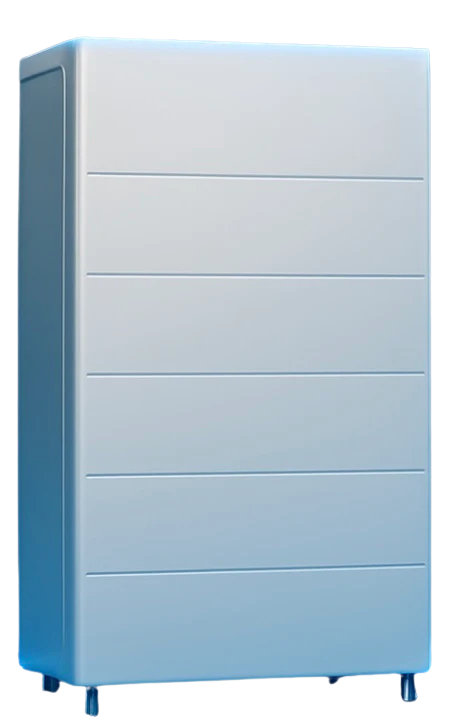
Solar batteries in Australia in 2025 are no longer a “nice extra” on top of solar panels. They now sit at the heart of how homes, small businesses, and even young renters think about energy, costs, and sustainability.
Why Solar Batteries Matter More In 2025
When you add a battery to your solar system, you keep more of the solar power you produce instead of sending it back to the grid for low returns. You can use that stored energy in the evening, on cloudy days, or during grid outages. This means:
- More energy independence, with less reliance on grid prices and peak tariffs.
- Lower electricity bills, by shifting more of your usage to “free” stored solar instead of grid power.
- Cleaner energy use, since you are using more solar and less fossil fuel based electricity.
For many Australian households and businesses in 2025, the question is shifting from “Should I get a battery” to “What size and type of battery is right for me”.
Homes, Businesses, And Renters Have Different Goals
Residential homeowners usually want steady, predictable bills, comfort for the family, and long term value for the property. A well designed solar and battery system can help keep evening usage, heating and cooling, and appliance loads covered by stored solar for many years.
Small business owners are focused on operating costs and reliability. A battery can support key loads during power cuts and help avoid expensive demand or peak charges. For many businesses, this is part of a wider plan to stabilise energy costs and present a credible sustainability story to customers.
Environmentally conscious young adults, often renting or in smaller spaces, have less roof space and lower budgets. They still want clean energy and protection from rising bills, so options like smaller batteries, flexible systems, or portable storage are becoming more attractive.
The Main Challenges People Face
Even with all these benefits, most people share the same concerns.
- Upfront cost. A battery adds a significant amount on top of solar panels. It can be hard to know if the extra spend will feel worth it for your household or business.
- System complexity. Capacity, power ratings, cycles, hybrid inverters, backup circuits, three phase supply, all of this can get confusing quickly if you do not live and breathe solar every day.
- Navigating incentives and finance. Different states, territories, and lenders offer various rebates, loans, and payment options. Many people feel unsure where to start or whether they qualify.
You do not have to work all of this out alone. A good starting point is understanding how solar and storage work together, which you can explore in more depth in our guide on how solar energy works and its benefits.
Your solar battery journey starts with one simple step. Get clear on your goal, whether it is bill savings, backup power, or sustainability, then build from there. If you want tailored advice for your home or business, you can reach out for a free solar and battery quote and we will guide you through your options in plain language.
Key Considerations When Choosing Solar Batteries
r
Once you know why you want a battery, the next step is choosing the right one for your home or business. A good battery should match your energy use, your budget, and your long term plans, not just look impressive on a brochure.
rr
1. Battery Capacity And Storage Size
r
Capacity is how much energy the battery can store. The right size depends on:
r
- r
- How much power you typically use in the evening and overnight.
- Whether you want full backup for the whole home or just key circuits.
- Your business hours and whether you run heavy equipment or refrigeration.
r
r
r
r
A simple rule of thumb is to cover your regular evening and early morning usage, not every possible peak. Oversizing can push up the price without giving you much extra value.
rr
2. Efficiency And Usable Capacity
r
Not all of the energy you store comes back out. Batteries lose a small amount when charging and discharging.
r
- r
- Look for round trip efficiency that keeps losses low.
- Check the usable capacity, not just the total rated size.
r
r
r
Higher efficiency means more of your solar actually offsets grid power, which helps your bills over the life of the system.
rr
3. Warranty, Lifespan, And Cycles
r
A strong warranty is a big part of long term value. Focus on:
r
- r
- Warranty length in years.
- Guaranteed energy throughput or number of cycles.
- Promised remaining capacity at the end of the warranty period.
r
r
r
r
For homes and small businesses, a quality battery with a solid warranty can support everyday cycling for many years, which spreads the upfront cost over a long period.
rr
4. Upfront Price And Ongoing Maintenance
r
Price is not only about the sticker figure. Compare batteries using a simple framework:
r
- r
- Upfront system price, including inverter, installation, and any switchboard work.
- Expected maintenance needs, such as inspections and software updates.
- Replacement or upgrade costs at the end of the battery life.
r
r
r
r
Some battery types have a lower upfront price but higher maintenance and shorter lifespan. Others cost more at the start but need very little attention. A clear quote should break these parts out so you can see what you are paying for. You can learn how we approach transparent system design on our solar system design and consultation page.
rr
5. Compatibility With Your Solar And Switchboard
r
Your battery must work smoothly with your:
r
- r
- Existing or planned solar panels and inverter.
- Single phase or three phase supply.
- Backup requirements for essential circuits.
r
r
r
r
Hybrid inverters, AC coupled batteries, and smart meters all affect how the system connects and how efficiently it runs. A proper site assessment will check that your existing setup can support the battery you want.
rr
6. Impact On Your Energy Bills And Long Term Value
r
A well chosen battery should reduce how much grid power you buy at expensive times. To judge long term value, compare:
r
- r
- Typical daily energy shifted from grid to stored solar.
- Your current tariff structure and peak rates.
- Battery cost spread over its expected life and cycles.
r
r
r
r
This gives you a clear view of what you are paying for each unit of stored energy over time. If you prefer support working through those numbers, our team can step you through pricing, rebates, and finance in plain language through our solar financing options.
rr
Transparent pricing is non negotiable. Ask for itemised quotes, clear warranty documents, and realistic performance expectations. When you can see exactly what you are paying for, it becomes much easier to choose the solar battery that fits your home, business, or first property in 2025.
Overview of Government Incentives and Rebates in Australia
Government support in 2025 can take a big bite out of the upfront price of a solar battery. The key is knowing what type of help you can access, and how it fits your home, business, or first property plans.
Main Types Of Support You Can Expect
Across Australia, solar battery support usually falls into a few clear categories.
- Upfront rebates or discounts, which reduce the price you pay on the invoice.
- Interest free or low interest loans, where you spread the battery cost over time instead of paying it all at once.
- Feed in tariffs and bill credits, which reward you for sending excess energy back to the grid.
- Business focused incentives, which can include tax benefits or grants for small commercial systems.
Each state and territory sets its own rules, and these sit on top of national level support. The mix you qualify for can significantly change the total cost and payback period.
Who Is Usually Eligible
Eligibility often depends on a few simple criteria.
- System type. Some programs cover battery and solar together, others support batteries added to an existing solar system.
- Property type. Owner occupied homes, rentals, and commercial premises can each have different rules.
- Income or ownership limits. Certain rebates are targeted at households or small businesses under specific income or size thresholds.
- Accredited installer use. Most incentives require a licensed installer who follows approved products and standards.
If you feel unsure where you sit, tools like the rebate eligibility checker help you clarify your position before you commit to a quote.
Typical Application Process
While the forms and portals differ, most programs follow a similar pattern.
- Confirm eligibility for your address, system size, and ownership status.
- Get an itemised quote from an accredited installer that clearly lists the battery, solar components, and labour.
- Submit an application, either directly or through your installer, with supporting documents such as ID and proof of ownership or lease.
- Receive approval or conditional approval before installation, if required.
- Install and claim, where the rebate is applied to your invoice or paid after completion, depending on the program.
A good installer will usually manage most of this for you. At True Solar Nation we support homeowners and small businesses through these steps via our solar rebates and incentives guide.
How Incentives Affect Total Cost And Value
Incentives do more than just trim the first invoice. They change how the whole investment feels.
- Lower upfront spend makes it easier to choose a battery size that truly fits your usage instead of under sizing to save on day one.
- Structured loans can line up repayments with your expected bill savings so cash flow feels smoother for both families and small businesses.
- Improved long term value arrives when rebates shorten the time it takes for savings to offset your net cost.
Your next step is simple. Check what support you can access in your state, then ask for a quote that clearly shows the system price before incentives, the rebate amount, and your final out of pocket cost. That clarity makes it much easier to decide if a solar battery is right for you in 2025.
Price And Maintenance Cost Comparisons For Top Battery Types
Not all solar batteries are priced the same, and they do not behave the same over their lifetime. To choose wisely, you need to compare both upfront price and ongoing maintenance across the main battery types used in Australian homes and small businesses in 2025.
Lithium Ion Batteries
Typical price profile: Lithium ion batteries usually sit in the higher price bracket per unit of storage compared with older technologies. System quotes often include a premium for built in electronics, smart monitoring, and compact design.
Maintenance needs:
- Low day to day attention required.
- Monitoring usually handled through an app or web portal.
- Periodic health checks as part of general solar maintenance.
Pros:
- High usable capacity relative to their size.
- Long service life when installed and configured correctly.
- Suited to daily cycling for homes and small businesses.
Cons:
- Higher upfront cost compared with lead acid options.
- More complex electronics, which makes professional installation non negotiable.
For most owner occupied homes and many small businesses, lithium ion systems often deliver strong long term value per unit of stored energy, even if the first quote feels higher. You can explore specific brands and configurations through our battery storage solutions page.
Lead Acid Batteries
Typical price profile: Lead acid batteries usually offer a lower upfront cost per unit of storage. This can look attractive if you want a larger capacity on a tight budget.
Maintenance needs:
- May require more regular inspections.
- Certain types need careful management of depth of discharge and charging patterns.
- Replacement cycles can be shorter compared with lithium ion, which adds to long term cost.
Pros:
- Lower initial system cost compared with many lithium ion systems.
- Well understood technology with simple core components.
Cons:
- Shorter typical lifespan and fewer useful cycles.
- Heavier and bulkier for the same usable capacity.
- Can deliver a higher total cost of ownership once replacements are factored in.
Lead acid may suit specific use cases such as lower cycling frequency or backup focused systems, but most suburban homes and busy small businesses lean toward lithium ion for everyday use.
Emerging And Advanced Battery Technologies
This group covers newer chemistries such as advanced lithium variants or other storage technologies. Pricing and maintenance patterns vary, so think in terms of a framework rather than one fixed profile.
Typical price profile:
- Often positioned in the mid to high price range.
- May offer targeted benefits such as improved safety characteristics or different operating behaviour.
Maintenance needs:
- Usually similar to lithium ion, with low routine maintenance.
- Firmware updates and monitoring handled via integrated systems.
Pros and cons will depend on the specific product. Use this checklist when comparing:
- Price per unit of usable storage.
- Warranty length and cycle allowance.
- Expected replacement timing compared with more established options.
- Installer support and availability of parts in Australia.
Which Type Suits You Best
Use this simple filter to match battery type to your profile.
- Busy families and eco conscious homeowners: Often best served by lithium ion, due to low maintenance and strong long term performance.
- Small businesses watching cash flow: Compare the lower upfront cost of lead acid with the longer service life of lithium ion, then weigh this against your typical operating hours and backup needs.
- First time buyers and renters planning ahead: Focus on systems with clear warranties, simple monitoring, and flexible finance, which you can discuss through our solar services team.
The best value battery is not always the cheapest on day one. It is the one that fits your usage, needs minimal unplanned attention, and spreads its cost smoothly across many years of reliable service.
Practical Tips For Eco Conscious Homeowners And Small Businesses
A solar battery works best when it matches the way you live or run your business. With a bit of planning, you can stretch every stored kilowatt hour further, protect your battery, and keep your bills heading in the right direction.
1. Fine Tune Your Energy Usage Around Your Battery
Shift the right loads to the right time.
- Run flexible appliances such as dishwashers, washing machines, and pool pumps in the middle of the day, when solar is strong.
- Keep heavier evening loads, like heating or cooling, covered by the battery where possible instead of the grid.
- For small businesses, time energy hungry tasks to align with solar hours or lower tariff periods.
Use an energy monitoring app or smart meter to see when you use the most power, then adjust one habit at a time. Tools like our energy monitoring and smart solutions can make this much easier.
2. Select The Right Battery Size For Your Pattern
Think in terms of evening and overnight usage, not your whole day.
- List the appliances you use after the sun goes down, such as lights, TVs, computers, and air conditioning.
- For businesses, include fridges, freezers, POS systems, and security lighting.
- Ask your installer to match battery capacity to that typical evening load, not rare peaks.
A battery that is too small will empty early, which limits savings. A battery that is too large can cost more than you need. A clear usage review, using your bills and smart meter data, is the best guide.
3. Use Smart Financing To Keep Cash Flow Comfortable
If the upfront price worries you, structure the spend so it feels manageable.
- Payment plans can spread the cost so it sits closer to your expected bill savings.
- Green loans may offer more favourable terms compared with standard finance products.
- Combine finance with any rebates you qualify for, using tools such as our solar rebates and savings guides to map out your net cost.
Ask for itemised quotes that separate solar, battery, and labour so you can see exactly what you are financing.
4. Maintain Your Battery For Long Life And Strong Performance
A well cared for battery works better and lasts longer.
- Schedule regular system checks with an accredited technician as part of your broader solar maintenance plan.
- Keep the battery in a location with good ventilation and stable temperature within the manufacturer’s recommended range.
- Use firmware updates and monitoring tools to catch any unusual behaviour early.
- Follow the maker’s guidelines on discharge depths, charge rates, and outage use.
For small businesses, add basic battery checks to your routine building or equipment maintenance schedule so it never slips through the cracks.
Your next step is simple. Clarify how you use energy now, decide what you want the battery to do for you, then size, finance, and maintain it with those goals in mind. A bit of planning up front can deliver years of lower bills and cleaner energy for your home or business.
Innovative And Flexible Solar Battery Solutions For Young Adults And Renters
If you are renting, moving often, or just starting out with a tighter budget, traditional rooftop solar and big wall mounted batteries can feel out of reach. That does not mean you have to miss out on clean energy or lower bills. There are flexible storage options that fit apartment living, share houses, and first homes.
Portable Solar Batteries You Can Take With You
Portable batteries are compact units you can plug into a standard power point or pair with a small solar panel kit.
- They suit renters who cannot alter the roof or switchboard.
- You can use them to run laptops, phones, small appliances, and basic lighting.
- When you move, you simply pack the unit and take it to your next place.
Price ranges vary by size and features, so compare:
- Storage capacity against your typical daily use.
- Cycle life and warranty period.
- Whether the unit accepts solar charging as well as grid charging.
Portable systems usually have low or no scheduled maintenance. Your main cost is the upfront purchase, which you can spread with buy now pay later or small personal finance if needed.
Hybrid Setups For First Homes And Small Spaces
If you have at least some control over the property, a hybrid system can balance cost and flexibility.
- Solar panels supply daytime loads and charge a smaller battery.
- The battery focuses on evenings and priority circuits, not the whole home.
- You can start with a modest storage size and add capacity later.
This approach keeps the initial price lower than a large battery install while still giving you meaningful bill savings and backup support. Talk to a provider like True Solar Nation’s residential solar team about designs that allow future expansion instead of locking you into one fixed size.
Community Solar And Shared Storage
For some renters and young adults, community solar or shared storage can be a practical path.
- You buy a portion of a larger solar and battery project instead of installing at your own address.
- Energy credits appear on your bill, which can reduce reliance on standard tariffs.
- You avoid on site installation costs, switchboard work, and landlord approvals.
Pricing structures differ, so use this checklist when you compare offers.
- Upfront contribution versus ongoing subscription fees.
- Exit terms if you move or your situation changes.
- Expected bill reduction based on your typical usage pattern.
Keeping It Budget Friendly And Flexible
Your goal is simple. Get meaningful control over your energy without locking yourself into a system that does not fit your life.
- Start small with portable storage if you rent or move often.
- Use hybrid solar and battery setups for first homes where space and budget are tight.
- Explore shared or community options if you cannot install your own system.
- Compare total cost, not just the sticker price, by looking at warranty, likely lifespan, and any subscription or maintenance fees.
If you are unsure which path suits you, our team can talk through your options, from portable units to compact home batteries, through our solar solutions overview. Your clean energy journey can start now, even in a rental.
Conclusion And Next Steps For Choosing The Best Solar Battery In 2025
Choosing the best solar battery in 2025 is not about chasing the biggest system or the flashiest brand. It is about finding a setup that fits your life, your bills, and your budget, whether you are running a family home, a small business, or renting your first place.
Here is the core checklist to keep in mind.
- Match size to your usage. Focus on your evening and overnight consumption, backup needs, and business operating hours. Oversizing adds cost without always lifting savings.
- Compare battery types on total cost. Look at upfront price, expected lifespan, maintenance needs, and likely replacement timing. The best value battery is the one with the lowest lifetime cost per unit of useful storage, not just the lowest quote.
- Check warranties and support. Strong product warranties and local installer support give you confidence that your system will perform for years.
- Use government incentives and smart finance. Rebates, loans, and payment plans can turn a “too expensive” system into a comfortable long term investment.
- Plan for maintenance. Simple, regular checks keep performance high and avoid preventable issues.
Your Personal Next Steps
To move from research to action, follow a simple path.
- Clarify your goal. Decide what matters most to you, bill savings, backup power, or sustainability credentials for your home or business.
- Gather your energy data. Collect recent power bills and, if possible, any smart meter information that shows when you use the most energy.
- Shortlist suitable battery types. Use what you have learned about lithium ion, lead acid, and newer options to pick one or two that fit your profile and appetite for maintenance.
- Check incentives in your state. Use resources such as our solar rebate information and, if you live in specific regions, targeted guides like solar rebates in Victoria to understand how much your upfront cost could drop.
- Request itemised quotes. Ask for clear pricing that splits panels, batteries, labour, and any extras. This makes comparison simple and highlights long term value.
You do not need to work all of this out on your own. Our team at True Solar Nation works with homeowners, small businesses, and young adults across Australia to design systems that fit real budgets and real usage patterns.
Your next move is straightforward. Reach out for a tailored consultation, ask your questions in plain language, and let us help you design a solar battery solution that supports lower bills, greater energy independence, and a cleaner footprint for many years ahead.