
Thinking about solar energy for your home? You’re not alone. More Australian homeowners are turning to solar power as a practical solution to rising electricity bills and the growing cost of living.
Solar energy simply captures sunlight and converts it into usable electricity using solar panels. For households on acreage properties that get plenty of sun exposure, it’s an ideal setup. Add in a solar battery, and you’re no longer just generating power—you’re storing it for when it matters most, like night time or cloudy days.
Why now? Because energy costs aren’t going down. With families now running electric vehicles, large appliances, heating and cooling all under one roof, the household electricity load has never been heavier. Solar energy doesn’t just take the pressure off your power bills. It helps you build long-term reliability into your day-to-day lifestyle.
If you’ve got land, family, and a roof that sees sunlight, you’ve got the space to take control.
Government rebates, solar batteries compatible with EV charging, and high-efficiency panels are making solar power more accessible than ever for mortgage-paying homeowners looking for relief without cutting corners. This is about more than savings. It’s about smart, sustainable living that keeps up with your growing household needs.
How Solar Energy Works
Solar power systems rely on a straightforward process: capturing sunlight and converting it into electricity for your home. But behind the simplicity is a system designed to match the demands of busy households and acreage living.
From Sunlight to Usable Electricity
Solar panels are installed on your roof to absorb sunlight. Each panel contains photovoltaic (PV) cells that generate direct current (DC) electricity. Since your home runs on alternating current (AC), a solar inverter steps in to convert that DC power into usable AC electricity.
Your inverter is the translator between the rooftop and the powerpoints.
Solar Panels: What to Look For
Not all panels are created equal. For homeowners with large families or EVs, panel quality and efficiency aren’t just nice to have—they impact performance daily. Look for options that offer:
- High efficiency ratings to maximise output on sunny and overcast days
- Durability and warranty support that can handle Australia’s variable weather
- Certified systems that meet CEC (Clean Energy Council) standards
Solar Inverters: The System’s Brains
While panels collect energy, the inverter manages and converts it. It’s also a key part of your system’s performance monitoring. Whether you’re charging your EV during the day or powering air conditioning for the family, a reliable inverter keeps the flow consistent and safe.
Solar Batteries: Power When You Need It
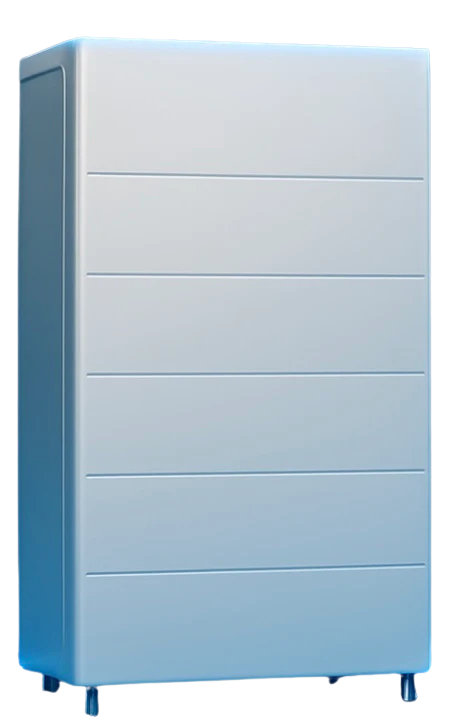
This is where the system becomes truly independent. Solar batteries store excess energy your panels generate during peak sunlight hours. That stored power can then be used at night, during cloudy spells, or even during power outages.
For households running electric vehicles, multiple appliances, and heavy heating/cooling needs, batteries offer backup and balance.
- Store more, use more: Cover usage during high-demand times, especially when power rates rise
- Enable off-grid options: Some systems allow partial or full backup in case of outages
- EV charging support: Combine solar generation and storage to keep your vehicle powered without adding pressure to the grid
Quality solutions like Tesla Powerwall, Growatt, Sungrow, and Sigenergy are built to integrate seamlessly and scale with household size. When paired with the right solar inverter and panels, a battery transforms your system from a power generator into a power manager.
Store what you make. Use it when it counts.
Solar Panels and Solar Battery Options
Choosing the right solar setup starts with understanding what you’re installing on your roof and in your garage. Not all solar panels or batteries offer the same performance, durability, or compatibility—especially when your household includes acreage demands, family-size consumption, and one or more electric vehicles.
Types of Solar Panels in Australia
Australia’s solar market typically offers three main types of photovoltaic panels:
- Monocrystalline: Known for high efficiency and a compact footprint, making them ideal for homes that need maximum output per square metre.
- Polycrystalline: Slightly less efficient but generally more affordable. A suitable choice if you have plenty of roof space and a tighter budget.
- Thin-film: Typically used for speciality applications. Less common in residential systems due to lower efficiency rates and larger area requirements.
For larger families and mixed energy usage like EV charging and HVAC systems, higher-efficiency monocrystalline panels are usually preferred.
Key Features to Compare
Before selecting panels, consider the following:
- Durability: Look for panels with robust framing and proven weather resistance suitable for Australian conditions.
- CEC Accreditation: Only install products verified by the Clean Energy Council to ensure safety, performance, and eligibility for rebates.
- Warranty: Prioritise solutions with long-term manufacturer warranties (performance and product warranties typically differ).
The right panel choice supports consistent savings and fewer surprises.
Solar Battery Technology
If you’re already producing solar power, a battery lets you take control of when and how you use it. Battery technologies vary by chemistry and storage capacity, but they all aim to serve the same purpose—retaining excess energy for when the sun’s not out.
The most common battery types for residential use include:
- Lithium-ion: Compact, efficient, and long-lasting. These are the preferred choice for most home installations.
- Lead-acid: Lower cost but bulkier and shorter lifespan. May suit supplemental or budget systems.
- Flow batteries: High-capacity and scalable, but typically reserved for commercial systems and less common in home setups.
What to Look for in a Solar Battery
- Storage capacity: Make sure it can handle your household’s consumption overnight or during overcast periods. If you’re charging an EV, higher capacity is often essential.
- Scalability: Check whether the system supports future expansion if family demands increase.
- System compatibility: Your battery must sync effectively with your solar inverter and panels. It should be ready for integration with major platforms like Tesla Powerwall or similar systems.
- Backup functionality: Some batteries support emergency power supply mode, which can keep critical appliances running even during grid outages.
A well-matched battery doesn’t just store energy—it improves how your house uses power.
Brand Compatibility and Integration
While specific product names vary, reputable solar solutions are designed to work together smoothly. Whether you’re choosing a Tesla Powerwall-style unit or alternatives compatible with Sungrow, Growatt, or Sigenergy inverters, make sure your system is geared for:
- EV charges timed to off-peak solar usage
- Smart energy management based on your household routines
- Virtual Power Plant readiness if you’d like to join shared energy networks in future
Think of your solar setup as a long-term investment. Get it right from the beginning, and it will work quietly in the background for years.
Government Rebates and Incentives
For homeowners managing rising electricity costs, mortgage payments, and day-to-day family demands, government-backed rebates can make solar and battery systems more financially realistic. These incentives are designed to reduce the upfront cost and make solar adoption more accessible for households just like yours.
Federal Government Rebate for Solar Batteries
The federal government offers financial support to encourage Australians to invest in clean energy storage. If you’re considering adding a solar battery to an existing or new system, this rebate can help cover part of the cost, reducing your payback period and upfront expense.
Eligibility usually depends on:
- Meeting household income or energy usage thresholds
- Using CEC-approved products and certified installers
- Committing to integrate your system with Virtual Power Plant programs (where applicable)
Battery rebates are particularly valuable for homeowners with large properties, heavy energy usage, or electric vehicle charging needs. Adding storage to your system not only stretches your solar usage into the night but also opens the door to future opportunities like energy trading or load balancing through grid participation.
Solar Panel Rebates and Incentives
Separate from battery rebates, solar panel installations may qualify for incentives that directly lower the cost of materials and installation. These incentives vary by region and provider, but many are tied to the national Small-scale Renewable Energy Scheme (SRES), which issues tradable certificates based on your system’s projected energy generation.
To make the most of solar panel rebates:
- Ensure your system is sized and installed by CEC-accredited professionals
- Opt for high-efficiency panels matched to your energy usage, especially if you have EV chargers and high-load appliances
- Review your eligibility for local or state-level incentives that may stack with federal schemes
Why These Rebates Matter for Families Paying a Mortgage
If you’re already balancing rising household costs, rebates are not just a bonus—they’re a deciding factor. Downward pressure on electricity bills starts the moment your system goes live, but the incentive reduces the largest hurdle upfront: installation cost.
Combined solar and battery rebates can:
- Lower the total out-of-pocket cost for your system
- Improve the return on investment by reducing payback time
- Make high-capacity systems (suitable for large families and EV users) more attainable
Accreditation counts: Only systems using CEC-approved panels, inverters, and batteries qualify. Make sure your installer holds Clean Energy Council certification and offers clear documentation to secure your rebate.
Don’t overlook your eligibility. Whether you’re upgrading your system or just starting your solar journey, there’s real financial help available—if you choose the right products and partners.
Benefits of Solar Energy for Australian Homeowners
Solar power doesn’t just generate electricity—it gives you control over how much you pay, when you use energy, and how future-proof your home really is. For families managing acreage properties, high energy usage, and rising household costs, the benefits are both immediate and long-term.
Reduce Electricity Bills Without Sacrificing Comfort
One of the most direct benefits of solar energy is savings. By generating your own power during daylight hours, your dependency on grid electricity drops significantly. Add a solar battery into the mix, and you can store excess power to use at night or during peak rate periods.
- Run large systems without fear: Heating, cooling, pool pumps, and EV charging can be offset with solar-generated electricity.
- Lower your peak usage bills: Use your battery when power rates are at their highest.
- Keep budget stability: Reduced reliance on the grid means shielding your household from future electricity rate increases.
You don’t need to dial down your air con or delay charging your EV anymore. Solar helps you do all of it smarter.
Increase the Value of Your Property
Installing a solar power system on a freestanding home with ample roof space isn’t just about short-term gain. It’s often seen as an upgrade that adds tangible, long-lasting appeal to your property. Many buyers look for homes with existing, certified solar systems—especially those paired with battery storage.
- High-capacity systems signal quality: Buyers value homes with large systems that support growing families and EVs.
- Battery integration adds modern appeal: Solar systems with stored energy options are more future-ready.
- Solar equals lower bills: That’s a selling feature that doesn’t need explaining to potential buyers.
Your roof isn’t just a structure—it’s usable real estate that can drive property value higher.
Combat the Cost of Living—Without Downgrading Your Lifestyle
Feeding a big family, running a business from home, and meeting mortgage repayments add up. With the rising cost of living, energy bills are a pressure point many homeowners can’t ignore. Solar gives you a tool to ease that pressure monthly, without changing how you live.
- No more rate shock: Fight back against rising electricity prices by relying on your own power first.
- Predictable costs: Solar and battery systems level out your energy spending across seasons.
- More room in the budget: Savings can be redirected to other household demands like groceries, mortgage, or school fees.
This isn’t about doing without. It’s about making what you’ve built work smarter for you.
Switch to Green Energy—For Now and the Future
Beyond economic sense, solar power aligns with a more responsible and sustainable way to live. Every kilowatt you generate cleanly is one less drawn from fossil-fuel-based grid power. With kids growing up on your land, setting an example through green energy adoption isn’t just smart—it’s meaningful.
- Reduce your carbon footprint: Every solar-powered appliance lowers your environmental impact.
- Generate clean power on-site: No emissions, no noise, no fuss.
- Support Australia’s transition to renewables: Home battery storage and community solar programs help reduce national energy demand peaks.
The sun hits your roof every day. Why not put it to work?
Whether it’s about cutting your energy bills, increasing property appeal, or reducing your reliance on fossil fuels, solar offers real advantages to modern Australian homeowners. Especially those juggling family needs, acreage maintenance, electric vehicles, and everything in between.
You’re already using the energy. Now’s the time to own how it’s made.
Virtual Power Plants (VPP) and Community Solar Programs
Once your solar system is up and running, the next step is making it work harder—for your home and your wallet. Virtual Power Plants (VPPs) and community solar programs give you that opportunity. These are not just “add-ons.” They’re advanced systems designed to improve returns, boost energy reliability, and align your home setup with a smarter grid.
What Is a Virtual Power Plant (VPP)?
A VPP connects individual solar batteries across multiple homes into a shared energy network. Think of it like your home battery system teaming up with others in your region to support energy flow during peak times.
Instead of just storing solar for yourself, your battery becomes part of a larger energy solution.
- During high-demand hours: The VPP draws power from participant batteries to supply the grid, often at a premium rate.
- When demand eases: Your system recharges with solar or low-rate off-peak grid power.
- Real-time energy management: VPPs use smart tech to schedule energy use, storage, and contribution automatically.
The outcome? You save more, earn credit (in some programs), and help smooth out the power supply in your local area.
Why VPPs Suit Acreage Properties
Homes with ample roof space and large solar systems are ideal candidates for VPP participation. You’re likely producing more energy than you can use during the day, especially if your property gets full sun exposure. Pair that with a sizable battery, and you’re sitting on reliable, storable power that can do more than just run your home.
Here’s how working with a VPP amplifies value:
- Maximise excess production: Don’t let surplus power go to waste. Get more value from every kWh your panels generate.
- Handle high household loads: Even with EV charging and heavy appliance usage, VPPs help distribute energy smartly based on peak/off-peak timing.
- Enhance backup reliability: Some VPP platforms include outage support or emergency grid integrations, improving system resilience.
You’ve built capacity. It’s time to put it to strategic use.
Community Solar Programs and Shared Networks
Outside of VPPs, community solar programs offer another route for enjoying broader solar benefits. These programs involve shared energy systems across a neighbourhood, suburb, or local government area, creating access to clean power beyond individual properties.
While more common in denser housing areas, some regional community setups now include rural or semi-rural landowners, making it relevant for acreage properties interested in group energy trading or backup security.
- Lower cost buy-in: Shared system expenses reduce the individual burden of high-capacity installations.
- Improved grid balance: Community systems ease peak demand for entire areas, improving efficiency.
- Potential for shared rebates: Some programs pool eligibility for broader incentive access.
Making Smart Energy Work for You
If you already have solar panels, a battery, and high usage patterns (like electric vehicle charging), VPPs help you get more from your investment. Choosing systems that are VPP-compatible from the beginning—such as those linked with platforms built by solar brands like Tesla Powerwall, Sungrow, Growatt, or Sigenergy—positions your home for both immediate and long-term gains.
- Reduce payback periods through performance-based credits
- Strengthen energy security during peak demand or outages
- Contribute to a greener, smarter power grid
The sun powers your roof. Let your battery power your budget—and your community.
Practical Considerations for Installation and Maintenance
Installing solar panels and batteries on an acreage property isn’t a one-size-fits-all job. Your power needs are bigger, the layout is different, and system performance matters every day. From household size to EV charging habits, these variables shape every part of your solar setup. Here’s what you need to get right from the start.
Sizing Your System for Family and Property Needs
Large families use more electricity—between lighting, hot water, cooking, entertainment, and EV charging, demand is constant. Pair that with acreage living (often including sheds, pool pumps, and water tanks on electric systems), and you’ll need a system that can consistently handle heavy loads.
- Assess total energy use: Factor in current appliances, future additions, and seasonal high-usage periods.
- Include EV charging demands: Charging at home is a major power draw. Your system must account for regular overnight or daytime vehicle charging.
- Consider battery size: A larger battery helps cover nighttime use or days with lower solar generation—especially important on rural blocks with fewer grid backup options.
- Roof and land flexibility: If your roof has poor solar access, ground-mounted panels on acreage land offer an alternative layout.
Your installer should use detailed consumption data and sun exposure analysis to guide system size and placement.
Choosing a Reputable Installer
The installer you choose directly impacts the system’s performance, rebate eligibility, and long-term reliability. It’s not just about price.
- Insist on CEC-accredited installers: Only Clean Energy Council certified professionals can offer systems eligible for government rebates.
- Check warranty terms upfront: Look for systems with strong workmanship warranties provided by the installer, in addition to manufacturer guarantees.
- Ask about experience with acreage setups: Larger properties often need tailored system designs, longer cable runs, or trenching for battery storage sheds.
- Request post-installation support details: Your installer should offer maintenance advice, monitoring setup, and issue resolution if performance drops.
This is not the time for shortcuts. Choose professionals who won’t disappear after install day.
Installation Considerations for Acreage Properties
More space can either be a benefit or a challenge, depending on your setup. Unlike suburban homes, rural installations must address land size, longer distances between components, and unique shading issues.
- Optimise panel direction and tilt: North-facing panels are ideal, but east-west configurations may suit broader roof coverage.
- Trenching and cable length: If your battery or inverter is stored away from the main dwelling, plan for secure and durable cable runs.
- Shed and garage usage: Some homeowners opt to place solar panels on sheds or garages. Your installer must ensure stable roof structures and correct wiring procedures.
- Bushfire-prone zones: Use fire-resistant enclosures and install isolators in accessible locations that comply with local safety codes.
Every component must be planned for space, performance, and protection.
Maintenance and Monitoring
Solar systems aren’t high-maintenance, but they do require regular checks to stay efficient. That includes visual inspections, performance monitoring, and care for the battery unit—especially in family homes where every kilowatt matters.
- Keep panels clean and clear: Dust, debris, and bird droppings reduce output. Clean panels seasonally or hire professionals if access is difficult.
- Check your inverter status: Most inverters have display units or smartphone apps that keep you updated on faults or low production.
- Review energy reports monthly: Tracking production vs usage helps spot performance drops early and optimise appliance timing.
- Maintain battery temperature range: Batteries should be housed in weatherproof areas to avoid performance decline or faults caused by extremes.
Think of solar maintenance like vehicle servicing—it protects what you’ve invested in.
System Upgrades and Future-Proofing
Your household may grow, and so might your power needs. Installing a system that supports expansion is a smart hedge against future costs.
- Choose scalable battery systems: Look for modular batteries that allow more storage to be added in future.
- Smart inverter compatibility: Advanced inverters support energy monitoring, EV charging, and VPP connections. These features offer more control and higher system value.
- Allocate roof or ground space now: Even if you don’t fill every spot with panels today, plan layout for future expansion without redesigning the whole system later.
Solar isn’t just about today’s savings—it’s your path to long-term resilience.
Your family, your property, your energy setup: it all starts with the right planning and support.
Conclusion
Solar energy isn’t a luxury for the future. It’s a smart, ready-now solution for hardworking Australian families juggling acreage life, electric vehicles, rising bills, and mortgage commitments. The technology has matured. The rebates are real. And the systems are built to match high-demand homes like yours.
Understanding how solar works sets the foundation. Knowing your panel and battery options makes it even stronger.
When you combine quality solar panels with a properly sized battery system, you gain more than power independence. You gain flexibility, cost control, and the ability to use your energy when it matters most. Whether it’s running the dishwasher at night, charging your EV in the morning, or keeping the house cool all day, your energy is your call.
Government rebates don’t just lower the upfront cost. They make solar systems that would have been out of reach, accessible—and paired with Clean Energy Council-approved installers and trusted brands like Tesla Powerwall, Growatt, or Sigenergy, those systems keep delivering value for years to come.
Virtual Power Plants, scalable inverters, and smart storage? That’s not the future. That’s your next electricity bill, slashed and stable.
Make your home part of the solution. With solar, you’re not just paying less—you’re living cleaner, preparing smarter, and investing in something that gives back every single day the sun comes up.
You built your life under this roof. Now power it wisely.
How Solar Energy Works
Solar power systems rely on a straightforward process: capturing sunlight and converting it into electricity for your home. But behind the simplicity is a system designed to match the demands of busy households and acreage living.
From Sunlight to Usable Electricity
Solar panels are installed on your roof to absorb sunlight. Each panel contains photovoltaic (PV) cells that generate direct current (DC) electricity. Since your home runs on alternating current (AC), a solar inverter steps in to convert that DC power into usable AC electricity.
Your inverter is the translator between the rooftop and the powerpoints.
Solar Panels: What to Look For
Not all panels are created equal. For homeowners with large families or EVs, panel quality and efficiency aren’t just nice to have—they impact performance daily. Look for options that offer:
- High efficiency ratings to maximise output on sunny and overcast days
- Durability and warranty support that can handle Australia’s variable weather
- Certified systems that meet CEC (Clean Energy Council) standards
Solar Inverters: The System’s Brains
While panels collect energy, the inverter manages and converts it. It’s also a key part of your system’s performance monitoring. Whether you’re charging your EV during the day or powering air conditioning for the family, a reliable inverter keeps the flow consistent and safe.
Solar Batteries: Power When You Need It
This is where the system becomes truly independent. Solar batteries store excess energy your panels generate during peak sunlight hours. That stored power can then be used at night, during cloudy spells, or even during power outages.
For households running electric vehicles, multiple appliances, and heavy heating/cooling needs, batteries offer backup and balance.
- Store more, use more: Cover usage during high-demand times, especially when power rates rise
- Enable off-grid options: Some systems allow partial or full backup in case of outages
- EV charging support: Combine solar generation and storage to keep your vehicle powered without adding pressure to the grid
Quality solutions like Tesla Powerwall, Growatt, Sungrow, and Sigenergy are built to integrate seamlessly and scale with household size. When paired with the right solar inverter and panels, a battery transforms your system from a power generator into a power manager.
Store what you make. Use it when it counts.
Solar Panels and Solar Battery Options
Choosing the right solar setup starts with understanding what you’re installing on your roof and in your garage. Not all solar panels or batteries offer the same performance, durability, or compatibility—especially when your household includes acreage demands, family-size consumption, and one or more electric vehicles.
Types of Solar Panels in Australia
Australia’s solar market typically offers three main types of photovoltaic panels:
- Monocrystalline: Known for high efficiency and a compact footprint, making them ideal for homes that need maximum output per square metre.
- Polycrystalline: Slightly less efficient but generally more affordable. A suitable choice if you have plenty of roof space and a tighter budget.
- Thin-film: Typically used for speciality applications. Less common in residential systems due to lower efficiency rates and larger area requirements.
For larger families and mixed energy usage like EV charging and HVAC systems, higher-efficiency monocrystalline panels are usually preferred.
Key Features to Compare
Before selecting panels, consider the following:
- Durability: Look for panels with robust framing and proven weather resistance suitable for Australian conditions.
- CEC Accreditation: Only install products verified by the Clean Energy Council to ensure safety, performance, and eligibility for rebates.
- Warranty: Prioritise solutions with long-term manufacturer warranties (performance and product warranties typically differ).
The right panel choice supports consistent savings and fewer surprises.
Solar Battery Technology
If you’re already producing solar power, a battery lets you take control of when and how you use it. Battery technologies vary by chemistry and storage capacity, but they all aim to serve the same purpose—retaining excess energy for when the sun’s not out.
The most common battery types for residential use include:
- Lithium-ion: Compact, efficient, and long-lasting. These are the preferred choice for most home installations.
- Lead-acid: Lower cost but bulkier and shorter lifespan. May suit supplemental or budget systems.
- Flow batteries: High-capacity and scalable, but typically reserved for commercial systems and less common in home setups.
What to Look for in a Solar Battery
- Storage capacity: Make sure it can handle your household’s consumption overnight or during overcast periods. If you’re charging an EV, higher capacity is often essential.
- Scalability: Check whether the system supports future expansion if family demands increase.
- System compatibility: Your battery must sync effectively with your solar inverter and panels. It should be ready for integration with major platforms like Tesla Powerwall or similar systems.
- Backup functionality: Some batteries support emergency power supply mode, which can keep critical appliances running even during grid outages.
A well-matched battery doesn’t just store energy—it improves how your house uses power.
Brand Compatibility and Integration
While specific product names vary, reputable solar solutions are designed to work together smoothly. Whether you’re choosing a Tesla Powerwall-style unit or alternatives compatible with Sungrow, Growatt, or Sigenergy inverters, make sure your system is geared for:
- EV charges timed to off-peak solar usage
- Smart energy management based on your household routines
- Virtual Power Plant readiness if you’d like to join shared energy networks in future
Think of your solar setup as a long-term investment. Get it right from the beginning, and it will work quietly in the background for years.
Government Rebates and Incentives
For homeowners managing rising electricity costs, mortgage payments, and day-to-day family demands, government-backed rebates can make solar and battery systems more financially realistic. These incentives are designed to reduce the upfront cost and make solar adoption more accessible for households just like yours.
Federal Government Rebate for Solar Batteries
The federal government offers financial support to encourage Australians to invest in clean energy storage. If you’re considering adding a solar battery to an existing or new system, this rebate can help cover part of the cost, reducing your payback period and upfront expense.
Eligibility usually depends on:
- Meeting household income or energy usage thresholds
- Using CEC-approved products and certified installers
- Committing to integrate your system with Virtual Power Plant programs (where applicable)
Battery rebates are particularly valuable for homeowners with large properties, heavy energy usage, or electric vehicle charging needs. Adding storage to your system not only stretches your solar usage into the night but also opens the door to future opportunities like energy trading or load balancing through grid participation.
Solar Panel Rebates and Incentives
Separate from battery rebates, solar panel installations may qualify for incentives that directly lower the cost of materials and installation. These incentives vary by region and provider, but many are tied to the national Small-scale Renewable Energy Scheme (SRES), which issues tradable certificates based on your system’s projected energy generation.
To make the most of solar panel rebates:
- Ensure your system is sized and installed by CEC-accredited professionals
- Opt for high-efficiency panels matched to your energy usage, especially if you have EV chargers and high-load appliances
- Review your eligibility for local or state-level incentives that may stack with federal schemes
Why These Rebates Matter for Families Paying a Mortgage
If you’re already balancing rising household costs, rebates are not just a bonus—they’re a deciding factor. Downward pressure on electricity bills starts the moment your system goes live, but the incentive reduces the largest hurdle upfront: installation cost.
Combined solar and battery rebates can:
- Lower the total out-of-pocket cost for your system
- Improve the return on investment by reducing payback time
- Make high-capacity systems (suitable for large families and EV users) more attainable
Accreditation counts: Only systems using CEC-approved panels, inverters, and batteries qualify. Make sure your installer holds Clean Energy Council certification and offers clear documentation to secure your rebate.
Don’t overlook your eligibility. Whether you’re upgrading your system or just starting your solar journey, there’s real financial help available—if you choose the right products and partners.
Benefits of Solar Energy for Australian Homeowners
Solar power doesn’t just generate electricity—it gives you control over how much you pay, when you use energy, and how future-proof your home really is. For families managing acreage properties, high energy usage, and rising household costs, the benefits are both immediate and long-term.
Reduce Electricity Bills Without Sacrificing Comfort
One of the most direct benefits of solar energy is savings. By generating your own power during daylight hours, your dependency on grid electricity drops significantly. Add a solar battery into the mix, and you can store excess power to use at night or during peak rate periods.
- Run large systems without fear: Heating, cooling, pool pumps, and EV charging can be offset with solar-generated electricity.
- Lower your peak usage bills: Use your battery when power rates are at their highest.
- Keep budget stability: Reduced reliance on the grid means shielding your household from future electricity rate increases.
You don’t need to dial down your air con or delay charging your EV anymore. Solar helps you do all of it smarter.
Increase the Value of Your Property
Installing a solar power system on a freestanding home with ample roof space isn’t just about short-term gain. It’s often seen as an upgrade that adds tangible, long-lasting appeal to your property. Many buyers look for homes with existing, certified solar systems—especially those paired with battery storage.
- High-capacity systems signal quality: Buyers value homes with large systems that support growing families and EVs.
- Battery integration adds modern appeal: Solar systems with stored energy options are more future-ready.
- Solar equals lower bills: That’s a selling feature that doesn’t need explaining to potential buyers.
Your roof isn’t just a structure—it’s usable real estate that can drive property value higher.
Combat the Cost of Living—Without Downgrading Your Lifestyle
Feeding a big family, running a business from home, and meeting mortgage repayments add up. With the rising cost of living, energy bills are a pressure point many homeowners can’t ignore. Solar gives you a tool to ease that pressure monthly, without changing how you live.
- No more rate shock: Fight back against rising electricity prices by relying on your own power first.
- Predictable costs: Solar and battery systems level out your energy spending across seasons.
- More room in the budget: Savings can be redirected to other household demands like groceries, mortgage, or school fees.
This isn’t about doing without. It’s about making what you’ve built work smarter for you.
Switch to Green Energy—For Now and the Future
Beyond economic sense, solar power aligns with a more responsible and sustainable way to live. Every kilowatt you generate cleanly is one less drawn from fossil-fuel-based grid power. With kids growing up on your land, setting an example through green energy adoption isn’t just smart—it’s meaningful.
- Reduce your carbon footprint: Every solar-powered appliance lowers your environmental impact.
- Generate clean power on-site: No emissions, no noise, no fuss.
- Support Australia’s transition to renewables: Home battery storage and community solar programs help reduce national energy demand peaks.
The sun hits your roof every day. Why not put it to work?
Whether it’s about cutting your energy bills, increasing property appeal, or reducing your reliance on fossil fuels, solar offers real advantages to modern Australian homeowners. Especially those juggling family needs, acreage maintenance, electric vehicles, and everything in between.
You’re already using the energy. Now’s the time to own how it’s made.
Virtual Power Plants (VPP) and Community Solar Programs
Once your solar system is up and running, the next step is making it work harder—for your home and your wallet. Virtual Power Plants (VPPs) and community solar programs give you that opportunity. These are not just “add-ons.” They’re advanced systems designed to improve returns, boost energy reliability, and align your home setup with a smarter grid.
What Is a Virtual Power Plant (VPP)?
A VPP connects individual solar batteries across multiple homes into a shared energy network. Think of it like your home battery system teaming up with others in your region to support energy flow during peak times.
Instead of just storing solar for yourself, your battery becomes part of a larger energy solution.
- During high-demand hours: The VPP draws power from participant batteries to supply the grid, often at a premium rate.
- When demand eases: Your system recharges with solar or low-rate off-peak grid power.
- Real-time energy management: VPPs use smart tech to schedule energy use, storage, and contribution automatically.
The outcome? You save more, earn credit (in some programs), and help smooth out the power supply in your local area.
Why VPPs Suit Acreage Properties
Homes with ample roof space and large solar systems are ideal candidates for VPP participation. You’re likely producing more energy than you can use during the day, especially if your property gets full sun exposure. Pair that with a sizable battery, and you’re sitting on reliable, storable power that can do more than just run your home.
Here’s how working with a VPP amplifies value:
- Maximise excess production: Don’t let surplus power go to waste. Get more value from every kWh your panels generate.
- Handle high household loads: Even with EV charging and heavy appliance usage, VPPs help distribute energy smartly based on peak/off-peak timing.
- Enhance backup reliability: Some VPP platforms include outage support or emergency grid integrations, improving system resilience.
You’ve built capacity. It’s time to put it to strategic use.
Community Solar Programs and Shared Networks
Outside of VPPs, community solar programs offer another route for enjoying broader solar benefits. These programs involve shared energy systems across a neighbourhood, suburb, or local government area, creating access to clean power beyond individual properties.
While more common in denser housing areas, some regional community setups now include rural or semi-rural landowners, making it relevant for acreage properties interested in group energy trading or backup security.
- Lower cost buy-in: Shared system expenses reduce the individual burden of high-capacity installations.
- Improved grid balance: Community systems ease peak demand for entire areas, improving efficiency.
- Potential for shared rebates: Some programs pool eligibility for broader incentive access.
Making Smart Energy Work for You
If you already have solar panels, a battery, and high usage patterns (like electric vehicle charging), VPPs help you get more from your investment. Choosing systems that are VPP-compatible from the beginning—such as those linked with platforms built by solar brands like Tesla Powerwall, Sungrow, Growatt, or Sigenergy—positions your home for both immediate and long-term gains.
- Reduce payback periods through performance-based credits
- Strengthen energy security during peak demand or outages
- Contribute to a greener, smarter power grid
The sun powers your roof. Let your battery power your budget—and your community.
Practical Considerations for Installation and Maintenance
Installing solar panels and batteries on an acreage property isn’t a one-size-fits-all job. Your power needs are bigger, the layout is different, and system performance matters every day. From household size to EV charging habits, these variables shape every part of your solar setup. Here’s what you need to get right from the start.
Sizing Your System for Family and Property Needs
Large families use more electricity—between lighting, hot water, cooking, entertainment, and EV charging, demand is constant. Pair that with acreage living (often including sheds, pool pumps, and water tanks on electric systems), and you’ll need a system that can consistently handle heavy loads.
- Assess total energy use: Factor in current appliances, future additions, and seasonal high-usage periods.
- Include EV charging demands: Charging at home is a major power draw. Your system must account for regular overnight or daytime vehicle charging.
- Consider battery size A larger battery helps cover nighttime use or days with lower solar generation—especially important on rural blocks with fewer grid backup options.
- Roof and land flexibility: If your roof has poor solar access, ground-mounted panels on acreage land offer an alternative layout.
Your installer should use detailed consumption data and sun exposure analysis to guide system size and placement.
Choosing a Reputable Installer
The installer you choose directly impacts the system’s performance, rebate eligibility, and long-term reliability. It’s not just about price.
- Insist on CEC-accredited installers: Only Clean Energy Council certified professionals can offer systems eligible for government rebates.
- Check warranty terms upfront: Look for systems with strong workmanship warranties provided by the installer, in addition to manufacturer guarantees.
- Ask about experience with acreage setups:e Larger properties often need tailored system designs, longer cable runs, or trenching for battery storage sheds.
- Request post-installation support details: Your installer should offer maintenance advice, monitoring setup, and issue resolution if performance drops.
This is not the time for shortcuts. Choose professionals who won’t disappear after install day.
Installation Considerations for Acreage Properties
More space can either be a benefit or a challenge, depending on your setup. Unlike suburban homes, rural installations must address land size, longer distances between components, and unique shading issues.
- Optimise panel direction and tilt: North-facing panels are ideal, but east-west configurations may suit broader roof coverage.
- Trenching and cable length: If your battery or inverter is stored away from the main dwelling, plan for secure and durable cable runs.
- Shed and garage usage: Some homeowners opt to place solar panels on sheds or garages. Your installer must ensure stable roof structures and correct wiring procedures.
- Bushfire-prone zones: Use fire-resistant enclosures and install isolators in accessible locations that comply with local safety codes.
Every component must be planned for space, performance, and protection.
Maintenance and Monitoring
Solar systems aren’t high-maintenance, but they do require regular checks to stay efficient. That includes visual inspections, performance monitoring, and care for the battery unit—especially in family homes where every kilowatt matters.
- Keep panels clean and clear: Dust, debris, and bird droppings reduce output. Clean panels seasonally or hire professionals if access is difficult.
- Check your inverter status: Most inverters have display units or smartphone apps that keep you updated on faults or low production.
- Review energy reports monthly: Tracking production vs usage helps spot performance drops early and optimise appliance timing.
- Maintain battery temperature range: Batteries should be housed in weatherproof areas to avoid performance decline or faults caused by extremes.
Think of solar maintenance like vehicle servicing—it protects what you’ve invested in.
System Upgrades and Future-Proofing
Your household may grow, and so might your power needs. Installing a system that supports expansion is a smart hedge against future costs.
- Choose scalable battery systems: Look for modular batteries that allow more storage to be added in future.
- Smart inverter compatibility:Advanced inverters support energy monitoring, EV charging, and VPP connections. These features offer more control and higher system value.
- Allocate roof or ground space now: Even if you don’t fill every spot with panels today, plan layout for future expansion without redesigning the whole system later.
Solar isn’t just about today’s savings—it’s your path to long-term resilience.
Your family, your property, your energy setup: it all starts with the right planning and support.
Conclusion
Solar energy isn’t a luxury for the future. It’s a smart, ready-now solution for hardworking Australian families juggling acreage life, electric vehicles, rising bills, and mortgage commitments. The technology has matured. The rebates are real. And the systems are built to match high-demand homes like yours.
Understanding how solar works sets the foundation. Knowing your panel and battery options makes it even stronger.
When you combine quality solar panels with a properly sized battery system, you gain more than power independence. You gain flexibility, cost control, and the ability to use your energy when it matters most. Whether it’s running the dishwasher at night, charging your EV in the morning, or keeping the house cool all day, your energy is your call.
Government rebates don’t just lower the upfront cost. They make solar systems that would have been out of reach, accessible—and paired with Clean Energy Council-approved installers and trusted brands like Tesla Powerwall, Growatt, or Sigenergy, those systems keep delivering value for years to come.
Virtual Power Plants, scalable inverters, and smart storage? That’s not the future. That’s your next electricity bill, slashed and stable.
Make your home part of the solution.With solar, you’re not just paying less—you’re living cleaner, preparing smarter, and investing in something that gives back every single day the sun comes up.
You built your life under this roof. Now power it wisely.