If you own your home, have a growing family, an acreage property and an electric vehicle, your power needs are in a completely different league to a small suburban household. Air conditioning, pumps, sheds, workshops, EV charging and everyday appliances all compete for electricity, and every bill is a reminder of rising costs.
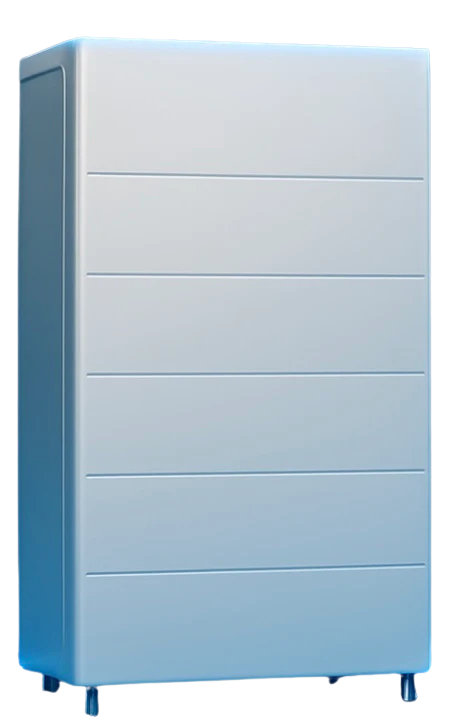
This is where 3-phase solar batteries step in as a serious solution for 2026, not just a nice extra. They are designed to work with 3-phase power, which is common on larger Australian properties and in homes with higher demand, and they give you the ability to store and use far more of your own solar energy, day and night.
What Is A 3-Phase Solar Battery System?
A 3-phase solar battery system combines three key parts in one coordinated setup:
- Solar panels that produce electricity during the day
- 3-phase compatible inverter that manages power across all three phases
- Battery storage that holds excess solar energy for later use
Instead of feeding all your solar into a single phase, a 3-phase system can supply and support all phases of your home. This is especially useful if you have 3-phase appliances, large air conditioning, workshop equipment or a 3-phase EV charger.
Why 3-Phase Batteries Matter For Larger Australian Homes
If you live on an acreage on the edge of town or in a high demand suburban home, your situation is different to a couple in a unit. You are likely dealing with:
- High evening and night usage, when family is home, cooking, washing and using devices
- EV charging, which can be one of the biggest loads in the home
- Property infrastructure, such as pumps, gates, sheds and outdoor lighting
A well designed 3-phase solar battery system helps you keep more of your solar on site, instead of exporting it for low feed in credits then buying power back at higher rates after dark.
How 3-Phase Solar Batteries Help With Cost Of Living In 2026
The pressure on household budgets is not easing, and electricity prices are a big part of that. A quality 3-phase battery, whether you are comparing popular names like Tesla Powerwall, Sigenergy, Sun Grow, Growatt or similar brands sold by trusted installers like Solar Power Nation or Penrith Solar, is about control and predictability.
With the right setup you can:
- Shift solar power to peak times so you use stored energy when grid prices are highest
- Support your EV charging using more of your own solar instead of expensive grid power
- Prepare for Virtual Power Plant (VPP) options, where approved batteries can earn credits by supporting the grid
Government rebate programs for solar batteries, including federal government support where available, can also reduce the upfront cost. That means you get the long term savings and greater independence from the grid, without carrying the full system price on your mortgage alone.
If you are serious about lower electricity bills and long term energy security for your family in 2026, 3-phase solar batteries deserve a proper, informed look. The rest of this guide will walk you through how the technology works, what rebates you can claim and how to choose the right system for a large Australian home.
Understanding 3-Phase Solar Battery Technology and Compatibility
3-Phase vs Single-Phase, What Is The Real Difference?
Most smaller homes in Australia have single-phase power, which means all their electricity runs through one active supply. Many acreage properties and high demand homes have 3-phase power, which spreads the load across three active supplies.
In simple terms:
- Single-phase system suits smaller homes with modest loads.
- 3-phase system suits properties with higher demand, larger distances, EV chargers and bigger motors or pumps.
A 3-phase solar battery system is built to manage energy on all three phases. The inverter and battery work together so your solar generation and stored energy are shared intelligently, rather than overloading one phase while the others still pull heavily from the grid.
Key Components Of A 3-Phase Battery Setup
For a proper 3-phase system in 2026, you typically need:
- 3-phase compatible solar inverter that can connect correctly to your supply.
- Battery unit that is either 3-phase ready or paired with a 3-phase hybrid inverter.
- Smart meter or monitoring device so you and your installer can see what each phase is doing.
Leading brands in the Australian market, such as Tesla Powerwall, Sigenergy, Sun Grow and Growatt, often have dedicated 3-phase or hybrid solutions that suit large homes, sheds and EV loads.
Compatibility With Existing Solar Panels
If you already have solar panels on your roof, a key question is whether you can add a 3-phase battery without starting again. In many cases you can, but you need to check:
- Existing inverter type (single-phase, 3-phase, hybrid, or string inverter).
- System size and design, including how much solar capacity is already installed.
- Brand compatibility, for example, matching or integrating with Jinko or Canadian solar panels and the current inverter brand.
A CEC accredited installer can assess whether you should keep your existing inverter and add an AC coupled battery, or upgrade to a 3-phase hybrid inverter that manages both solar and storage in one unit.
Electric Vehicles And 3-Phase Charging
For many families in 2026, the EV is now one of the biggest loads at home. If you have a 3-phase supply, you may already be considering a 3-phase EV charger for faster and smoother charging.
When planned correctly, a 3-phase battery can:
- Prioritise EV charging when you have excess solar in the middle of the day.
- Top up the EV at night using stored solar instead of peak grid power.
- Balance loads so EV charging does not cause unnecessary demand spikes on one phase.
This is where a well matched combination of solar panels, inverter, battery and EV charger really pays off in lower electricity bills and less strain on your grid connection.
How 3-Phase Batteries Integrate With Virtual Power Plants (VPP)
Virtual Power Plants, often called VPPs, are programs where many home batteries work together as a flexible energy resource. The VPP operator can draw or supply small amounts of power from participating batteries to support the wider grid, and in return households receive bill credits or payments.
A 3-phase battery can be very attractive for VPP participation because it often has:
- Higher usable capacity, which means more energy available for both your home and the VPP.
- Better load support across all phases, which helps keep your home stable during VPP events.
- Smarter control options, especially with brands like Tesla Powerwall, Sigenergy and other VPP ready systems.
If VPP income is part of your plan, look for:
- VPP ready hardware on the approved list of your chosen program.
- CEC accredited installers such as Solar Power Nation or Penrith Solar who understand VPP configuration.
- Clear warranty and cycling conditions, so participation does not compromise your long term battery coverage.
When you match a 3-phase solar battery, well designed solar panel array and EV charging strategy, you place your home in a strong position to use more of your own green energy, access government rebates where available and tap into VPP programs that can offset rising cost of living pressures.
Government Rebates And Incentives For Solar Batteries In Australia
How Rebates Reduce The Cost Of 3-Phase Solar Batteries
For many Australian homeowners on acreage, the main barrier to a quality 3-phase solar battery is the upfront cost. This is where government rebates and incentives become very important. In 2026, a mix of federal government rebate for solar battery support and state or territory programs can reduce the amount you need to fund out of pocket, or through your mortgage.
These incentives do not remove the cost completely, but they can shift a system from “nice idea” to “financially realistic”, especially if you have high evening usage, a large family and one or more EVs charging at home.
Typical Types Of Solar Battery Support
While the exact details vary by government and by program, most support for solar batteries falls into a few clear categories.
- Upfront rebates that reduce the quoted price of the battery system at installation.
- Low interest or interest free loans that spread the cost over time instead of a single large payment.
- VPP linked incentives where you receive a benefit if you connect an approved battery, such as a Tesla Powerwall or certain Sigenergy, Sun Grow or Growatt systems, into a recognised Virtual Power Plant.
Some programs apply only to new batteries. Others require new solar plus battery in one package. A careful review of the fine print is important before you sign anything.
Common Eligibility Criteria For Battery Rebates
Most federal and state programs use similar eligibility filters. A simple checklist looks like this.
- Property type: You must usually be an owner occupier of a residential home, not a renter or apartment owner.
- Accredited installation: The system must be designed and installed by a CEC accredited installer, such as established providers like Solar Power Nation or Penrith Solar.
- Approved products: The battery, inverter and often the solar panels must appear on an approved product list, which typically includes well known brands like Tesla Powerwall, Sigenergy, Jinko and Canadian solar panels.
- System purpose: The system is mainly for household use, not for a commercial or investment property.
- Previous support: Some schemes limit how many times you can claim support on the same property.
Your installer should walk you through each requirement before you commit, so you do not miss out on support because of a simple paperwork or product choice error.
How To Apply For Solar Battery Rebates
The application steps vary between programs, but most follow a similar path. You can use this as a template when you speak to your installer in 2026.
- Confirm eligibility for both federal government rebate on battery options and any state or territory programs that apply to your address.
- Select an approved system that suits your 3-phase supply, energy usage, EV plans and future expansion, using compliant brands and CEC approved components.
- Obtain a detailed quote that clearly separates hardware, installation, any VPP equipment and the expected rebate or loan amount.
- Complete the application, either through your installer, or directly through a government portal, using the exact wording and documents requested.
- Wait for conditional approval before installation starts, if the program requires pre approval.
- Install and provide evidence, such as compliance certificates, photos and final invoices, so the rebate can be paid or the loan activated.
Why Acting Under Current 2026 Policies Matters
Solar and battery policies do not stay the same forever. Support levels for solar panels once sat at a different point, and battery incentives can also be adjusted, paused or replaced over time. If you know your large family home or acreage property will benefit from a 3-phase battery, it makes sense to:
- Assess today’s rebates rather than assuming they will be better in future.
- Match your system size to your real consumption, including EV charging, instead of just chasing the maximum rebate.
- Work with an experienced installer who understands current 2026 rules and can structure the quote and paperwork correctly.
The right rebate, on the right system, can make a serious dent in the upfront cost of a 3-phase solar battery. For a household under cost of living pressure, that support often makes the difference between staying exposed to rising grid prices and taking practical control with your own reliable, green energy setup.
Top 3-Phase Solar Batteries Available In Australia In 2026
When you have a large family, an acreage property and one or more EVs, not every battery on the market will suit you. You need a system that can handle serious daily loads, support 3-phase supply, integrate cleanly with quality solar panels like Jinko or Canadian, and work with future options such as VPP programs.
Below is a practical comparison framework for popular 3-phase ready batteries in Australia in 2026, including familiar names such as Tesla Powerwall, Sigenergy, Sun Grow and Growatt. Use it as a checklist with your CEC accredited installer, whether you speak with Solar Power Nation, Penrith Solar or another trusted provider.
Comparison Framework For Leading 3-Phase Batteries
| Battery Brand / Type | Typical Usable Capacity Range | Warranty Style | Indicative Cost Position | Solar Compatibility | EV & 3-Phase Support | VPP Suitability |
|---|---|---|---|---|---|---|
| Tesla Powerwall style systems | Modest to medium whole home coverage per unit, expandable with multiple units | Long term product and performance warranty, cycle and year based | Positioned as premium residential solution | Works with a wide range of existing solar systems via compatible inverters | Suited to high demand homes, supports 3-phase supply via correct inverter design, good for EV loads | Often approved or preferred for many VPP programs |
| Sigenergy modular systems | Highly modular, scalable from smaller to large acreage setups | Structured product and performance coverage for each module | Varies by configuration, generally positioned as quality flexible option | Well suited to modern arrays using brands like Jinko and Canadian solar panels | 3-phase and hybrid models available, can be tailored around EV charging needs | Selected models are marketed as VPP ready, check specific program lists |
| Sun Grow hybrid battery solutions | Small to larger residential capacities, often paired with matching inverters | Combined inverter and battery warranties with clear operating limits | Often seen as strong value for performance | Pairs neatly with many mainstream solar panel brands, especially when installed as a package | 3-phase inverter options to support large homes and EV charging schedules | Certain models appear on common VPP eligibility lists, confirm model numbers |
| Growatt hybrid and storage systems | Configurable capacity to suit family homes with moderate to higher loads | Product and performance cover defined by number of cycles and time | Typically budget friendly to mid range | Compatible with many existing arrays, subject to inverter matching | 3-phase solutions available, appropriate for acreage properties with pumps and EVs | Some systems offer VPP integration through compatible platforms |
How To Read This Table For Your Own Home
Use these key questions when you compare quotes in 2026.
- Capacity: Does the quoted usable capacity cover your typical evening and night usage, including EV charging, or do you need a modular system that can grow in stages as your family and loads grow?
- Warranty: Is the warranty both a product warranty and a performance warranty, and does it match how often you expect to cycle the battery in daily use and possible VPP participation?
- Cost position: Are you choosing a premium system like Tesla Powerwall with strong VPP presence, or a value focused system from Sun Grow or Growatt, and how does that align with your budget, mortgage and rebate support?
- Solar panel compatibility: Does the system integrate smoothly with your existing Jinko, Canadian or similar panels and your current inverter, or is the installer recommending a full 3-phase hybrid upgrade for better performance?
- EV and 3-phase support: Will the design properly balance loads across all phases, so your 3-phase EV charger, pumps and air conditioning do not overload one phase while the battery sits under used on another?
- VPP readiness: If you want to join a VPP, is the exact battery and inverter combination on an approved list, and does the warranty clearly explain how VPP use affects coverage?
The best 3-phase solar battery for your home in 2026 is the one that fits your usage pattern, property layout, EV plans and budget, with a warranty and design you can trust. Brand names like Tesla Powerwall, Sigenergy, Sun Grow and Growatt all have a place, but the real difference comes from correct product selection and expert, CEC accredited installation tailored to your acreage property and large family lifestyle.
Cost Savings And Impact On Electricity Bills With 3-Phase Solar Batteries
How 3-Phase Batteries Cut Your Power Bills
For a large Australian home on acreage, the biggest sting on your bill usually arrives from late afternoon through to early morning. Kids are home, air conditioning is working hard, cooking starts, hot water is used, devices are charging and the EV is often plugged in. This is also when grid prices tend to be at their highest.
A well sized 3-phase solar battery changes how you pay for that energy. Instead of exporting a lot of solar in the middle of the day for a low credit, then buying it back at a higher rate at night, you:
- Store excess solar during the day, when your roof is generating more than the house needs.
- Use that stored energy in the evening peak, when grid electricity usually costs the most.
- Reduce the amount of grid power you buy overnight, especially for steady background loads.
The result is a direct reduction in imported grid energy. Over time that flows through to lower electricity bills and less exposure to price rises.
Typical Energy Patterns In Large Family And Acreage Homes
Most larger homes with 3-phase supply follow a similar pattern. You can map your own usage against this simple framework.
- Early morning: Hot water, showers, breakfast, maybe a quick EV top up before work.
- Daytime: Lower indoor use if everyone is out, but pumps, fridges, freezers, pool systems and sheds may still be consuming power.
- Late afternoon and evening: The main spike, with cooking, heating or cooling, washing, drying, lighting and EV charging.
- Overnight: Background loads such as fridges, freezers, security systems and trickle charging.
A 3-phase solar battery lets you line up your solar generation with this pattern. The aim is simple, keep your home and EV running on your own green energy for as many hours as possible, especially during the expensive parts of the day.
Maximising Self Consumption Of Solar Power
The real financial value of a battery often comes from self consumption. That is the percentage of your solar power that you use on site rather than sending to the grid. A 3-phase system helps you lift that percentage across all phases, not just one.
With smart controls and a quality inverter, your system can:
- Charge the battery first once household daytime use is covered.
- Trigger discretionary loads such as EV charging or hot water heating when solar or battery levels are high.
- Limit grid imports by prioritising stored energy during peak tariff windows.
For families dealing with cost of living pressure, every extra unit of solar that you keep on site and use yourself is one less unit you buy from your retailer.
EV Charging And Bill Control With 3-Phase Storage
Your EV can be one of the biggest drivers of your power bill, especially if it is charged on standard grid rates. With a 3-phase battery and a proper design for your charger, you can take a more controlled approach.
Common strategies include:
- Midday solar charging when your panels are producing strongly and household demand is lower.
- Night top ups from the battery so you are still using stored solar, not peak priced grid power.
- Load balancing across all three phases so an EV session does not spike one phase and increase demand charges where they apply.
This is where quality brands like Tesla Powerwall, Sigenergy, Sun Grow and Growatt, paired with a smart 3-phase inverter, can make a practical difference. The hardware is there to support smarter charging, which means lower ongoing running costs for your EV and your home.
Using Time Of Use Tariffs And VPPs To Your Advantage
Many electricity plans now use time of use tariffs. Prices shift across the day, with off peak, shoulder and peak periods. A 3-phase battery lets you play to that structure.
- Charge mainly from solar, or from the grid during cheaper off peak windows if needed.
- Discharge during peak periods, so you avoid buying the most expensive grid power.
- Consider VPP participation, where an approved battery can earn bill credits or payments by supporting the grid during high demand events.
While you need to read the details of any VPP, some homeowners use the framework of solar self consumption, tariff shifting and VPP credits together to put meaningful downward pressure on bills.
Why 3-Phase Storage Suits High Demand Properties
For an acreage property with sheds, pumps and multiple air conditioning units, a 3-phase battery is not just about having more storage. It is about supply quality and control across the whole home.
Key advantages include:
- Smoother supply to large loads, which can reduce stress on your grid connection.
- Better utilisation of your solar array, especially larger systems using panels from brands like Jinko or Canadian.
- Improved future flexibility, so you can add more loads, such as a second EV or extra shed circuits, without losing control of your bills.
For many Australian homeowners in 2026, the combination of solar panels and a 3-phase battery is less about chasing a trend and more about stabilising household costs. When it is designed properly for your property and lifestyle, it becomes a long term tool to manage electricity bills in a rising cost of living environment.
Installation Considerations And Choosing The Right 3-Phase Solar Battery System
Site Requirements For Acreage And Large Homes
Before you choose a Tesla Powerwall style system, Sigenergy, Sun Grow, Growatt or similar, your property needs a proper site assessment. For acreage homes, space is rarely the issue. The key is putting equipment in the right place.
- Location of switchboard and meter: The inverter and battery should sit as close as practical to your main switchboard to reduce cable runs and voltage issues on long rural drives.
- Weather protection: Many batteries are rated for outdoor use, but shaded, well ventilated areas with minimal exposure to direct sun and heavy rain help system longevity.
- Access and safety clearances: Installers need safe access for installation and future servicing, with clearances that meet Australian standards and manufacturer rules.
- Roof layout for solar panels: If you plan more solar, check roof orientation, shading from trees or sheds and structural condition before locking in system size.
Acreage properties often have multiple buildings. In some cases it is smarter to centralise the battery near the main house, then run sub circuits to sheds and pumps, rather than spreading small systems across several structures.
Why Professional, CEC Accredited Installation Matters
A 3-phase solar battery is not a plug in appliance. It is high value electrical infrastructure for your home, your EV and your family.
Look for:
- CEC accredited designers and installers with real 3-phase experience, not just basic single-phase systems.
- Clear brand knowledge across Tesla Powerwall, Sigenergy, Sun Grow, Growatt and the solar panels you prefer, such as Jinko or Canadian.
- Transparent quotes that itemise hardware, labour, monitoring, any switchboard upgrades and potential government rebate on battery components.
- Grid approval management, including any distributor applications required for 3-phase export limits and VPP readiness.
This is where established providers such as Solar Power Nation or Penrith Solar can add real value. Correct design at the start avoids expensive rework later.
Future Proofing For EVs, Extra Solar And Growing Loads
Your power needs in [insert future period] will probably look different from today. A good 3-phase design takes that into account.
- Modular battery capacity: Choose systems that let you add extra modules if you plan another EV, pool, spa or workshop equipment.
- 3-phase EV charging: Allow for conduit routes, spare breaker capacity and smart control if you plan to upgrade from a basic charger.
- Extra solar panels: Check how much additional solar your inverter can legally and technically support, especially with Jinko or Canadian expansions.
- VPP compatibility: Even if you do not join a VPP in 2026, choose VPP ready hardware so you have that option later without full replacement.
A future ready design saves you from “rip and replace” upgrades when your family, vehicles and property demands grow.
Maintenance, Monitoring And Maximising Battery Life
Modern lithium batteries do not need complex day to day maintenance, but simple habits and correct setup help protect your warranty and lifespan.
- Keep ventilation clear: Do not block vents or pack storage items tightly around the battery or inverter.
- Use monitoring apps: Brands like Tesla Powerwall, Sigenergy, Sun Grow and Growatt offer monitoring. Check that your installer sets this up on day one and shows you how to read it.
- Follow charge and discharge settings: Stick to the operating limits recommended by the manufacturer, especially if you join a VPP that cycles the battery more often.
- Annual inspections: A quick yearly check by your installer can spot loose connections, firmware updates needed or early warning signs before they become faults.
Batteries like a stable environment. Avoid extreme heat where possible, and use shaded or semi enclosed areas instead of bare west facing walls when you have the choice.
Choosing The Right System For Your Home
When you compare options from Tesla Powerwall, Sigenergy, Sun Grow, Growatt or similar through installers such as Solar Power Nation or Penrith Solar, focus on this simple decision framework.
- Match system size to your bills, not to guesswork. Use your last [insert number] electricity bills to estimate evening and night usage and typical EV charging energy.
- Confirm 3-phase integration for your pumps, air conditioning, sheds and EV charger, so loads are balanced across all phases.
- Check warranty strength, including years, cycles, performance guarantee and service process in your area.
- Factor in rebates by confirming which combinations qualify for federal government rebate for solar battery support and any state schemes.
- Prioritise reputable support, so you know who will answer the phone in [insert future period] if you need help.
The right 3-phase solar battery system for your acreage home in 2026 is the one that is designed carefully, installed properly and ready to grow with your family, your EVs and your long term plans for cheaper, greener electricity.
Conclusion And Next Steps For Securing The Best 3-Phase Solar Battery In 2026
If you own your home, have a big family, an acreage property and one or more EVs, staying on standard grid power alone keeps you exposed to rising bills. Across this guide you have seen how a 3-phase solar battery gives you something different, control over when and how you use electricity.
You are not just adding another gadget. You are building long term energy infrastructure for your home that can:
- Stabilise your electricity costs by shifting more of your usage to your own solar.
- Support heavy 3-phase loads such as pumps, air conditioning, workshops and EV chargers.
- Use government rebate on battery support to reduce upfront costs where you qualify.
- Connect to VPP programs if you want extra bill credits in future.
You deserve predictable, manageable power bills on your own property.
Practical Next Steps For Australian Homeowners In 2026
To move from research to action, follow this simple checklist.
- Gather your information
Collect your last [insert number] electricity bills, note your EV charging habits, list major 3-phase loads and check whether your property already has 3-phase supply. - Clarify your goals
Decide what matters most, such as maximum bill reduction, EV support, backup capability, VPP income potential or future expansion for sheds and extra loads. - Check government rebates in 2026
Review current federal government rebate for solar battery options and any state or territory schemes that apply to your address. Note their eligibility rules and deadlines. - Shortlist suitable systems
Use the comparison framework in this guide to narrow options across brands like Tesla Powerwall, Sigenergy, Sun Grow and Growatt, paying attention to warranty strength, 3-phase support and VPP readiness. - Engage a CEC accredited installer
Speak with experienced providers, for example Solar Power Nation or Penrith Solar, and request itemised, transparent quotes that include solar panels, battery, inverter, installation, monitoring and any required switchboard upgrades. - Confirm rebate and grid approvals
Make sure your chosen installer manages rebate paperwork and distributor approvals before work begins, so you do not miss out on support or breach export limits. - Plan for the future, not just today
Choose modular capacity, VPP ready hardware and a design that can handle extra EVs, more solar and new loads in [insert future period].
Make 2026 The Year You Take Control Of Your Power
You have reliable brands on the market, from Tesla Powerwall through to Sigenergy, Sun Grow, Growatt and quality solar panels such as Jinko and Canadian. You have CEC accredited installers nationwide. You have government rebate pathways that can soften the upfront impact on your mortgage.
The missing piece is your decision.
Use this guide as your framework, then:
- Book an obligation free assessment with a trusted installer.
- Insist on a design tailored to your acreage layout, family size and EV usage.
- Say yes only when the system size, warranty, rebate position and long term support all make sense on paper.
A well chosen 3-phase solar battery in 2026 is not just green energy, it is a practical strategy for lower bills and greater confidence in how you power your home for years to come.