

If you own acreage in Australia and you’ve got a big household chewing through power, solar isn’t a luxury. It’s a must. Between running appliances, heating large spaces, charging EVs, and keeping things ticking for a family of five or more, electricity bills can quickly push beyond manageable. That’s where smart solar systems step in.
Solar power gives you back control. Installing photovoltaic (PV) panels on your roof means converting sunlight into electricity you can use to run your home. No middleman. No waking up dreading the next power bill. Just clean energy that keeps your home running day and night—especially when paired with the right battery.
Solar batteries change the whole equation. With a battery, you’re not sending excess power back to the grid for peanuts. You’re storing it. That’s what makes solar genuinely useful for rural and semi-rural homes. When the sun goes down or clouds roll in, you’ve still got stored energy to cover your evening use, EV charging, and everything else your family needs to stay powered.
If you’re thinking about cutting costs, not compromises, solar + battery is the way forward—especially with current federal government rebates for solar batteries making a major dent in upfront costs.
Let’s talk relevance. On acreage properties, you usually have space—and that’s half the battle. More roof or ground area gives you flexibility to install a bigger system sized for large-scale living. You’ve got a family to feed and cool, EVs to charge, maybe even a workshop or home office. Solar scales to meet it all, with the right combo of panels and battery storage.
And let’s not skip the big picture: green energy. You’re not just dodging rising electricity prices. You’re reducing your household’s carbon footprint. That may not show up on a spreadsheet today, but it matters for your kids, your community, and the world.
If you’re paying off a mortgage, need reliable power, and want lower living costs, there’s no smarter time than now to look at solar power seriously. Especially with strong rebate programs softening the investment.
Choosing the Best Solar Panels in Australia
If you’ve got a decent stretch of roof or ground space on your property, the real question isn’t whether you should install solar—it’s which panels are worth your money. Not all panels are built the same, and if you want lower electricity bills without headaches down the track, you’ve got to get this choice right.
Start with performance.Efficiency is what most people zero in on, and for good reason. A high-efficiency panel turns more sunlight into usable electricity. That’s especially valuable if you plan to power a full household, multiple appliances, and your EV off solar. Monocrystalline panels are the top choice for most acreage homes. They’re more efficient and look cleaner. Bifacial panels are also gaining ground—they capture sunlight from both sides, which works well if you’re ground-mounting panels over reflective surfaces like gravel or concrete.
Durability matters more than you think. On a large rural block, your panels need to handle strong UV, heat, coastal moisture, and the occasional wild weather blast. Look for panels rated for Australian conditions, with solid wind load and salt mist resistance where needed. Temperature coefficient is another spec to check. The lower the number, the better your panels hold up in extreme heat. That’s crucial in our climate where summer temps can hammer solar performance.
Pay attention to degradation and warranty terms. All panels lose output over time, but quality brands degrade more slowly. Look for ones that still produce at least [insert performance %] of their original output after [insert years]. Combine that with a decent product warranty (not just performance) so you’re protected against manufacturing faults, not just wear and tear.
Trusted brands to keep on your radar: Jinko, Canadian Solar, SunBoost, SunGrow, and even players like Growatt and Penrith Solar are making dependable gear for Australian installations. Each has different strengths, from value pricing to long-term backing. You’re better off choosing from names that are known locally, with established support networks and proven performance in Aussie conditions.
Buying for an acreage home?You’re in a good position. You’ve got room to install a larger system, which means you can focus on long-term output and reliability rather than just cramming panels in. Look for panels that pair well with bigger systems and battery storage, and make sure your installer matches the system to your actual energy use—not just a sales pitch.
Your solar setup is only as good as the panels you start with. Choose once, choose right.
The Role of Solar Batteries and Tesla Powerwall in Enhancing Solar Systems
If you’re running a big household on solar alone, panels won’t carry you through the night without backup. That’s where a solar battery comes into play. It holds onto the extra energy your panels generate during the day and makes it available whenever you need it—like during peak use periods or when the sun’s gone down.
Why batteries matter on acreage? Larger homes with families, home offices, multiple appliances, and EVs are pulling serious energy—even after dark. Feeding all that power demand from the grid defeats the purpose of investing in solar. A battery like the Tesla Powerwall or Growatt system helps cut that drain by maximising your solar self-consumption. That means less buying electricity at peak rates and more using what you’ve already produced.
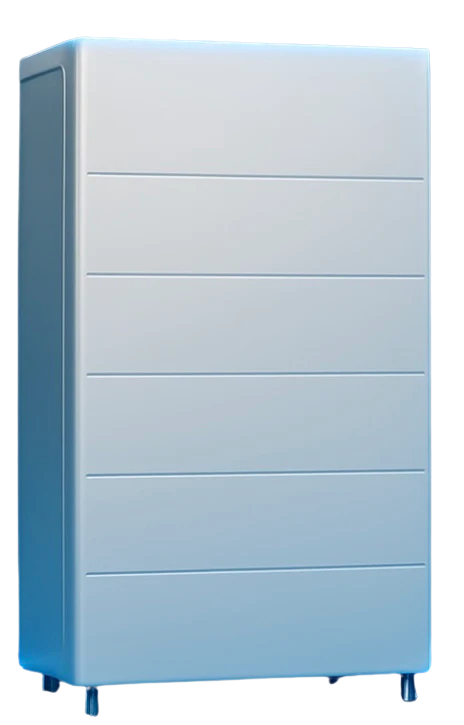
Tesla Powerwall leads for residential battery storage for a reason. It’s sleek, powerful, and holds a decent amount of energy in a compact format. It integrates well with most solar systems and gives you visibility and control through smart monitoring. But it’s not the only option. Growatt and other solid alternatives offer competitive capacity and performance. For acreage homes, the priority is pairing battery size with your actual energy habits. Don’t undersize if you’ve got two EVs and a pool filter running half the day.
Federal rebates reduce the sting of battery prices. Battery systems aren’t cheap, but current government rebates on solar batteries can substantially lower what you pay upfront. Depending on your location, income, and installation timing, you may qualify for a rebate that brings a quality battery system into a much more affordable range. Check what’s live in your state, and speak with a certified installer who understands the rebate application process. Some will even handle the paperwork for you.
If your system only sends excess power to the grid, you’re leaving money on the table. Holding onto that power with a reliable battery takes you from partial savings to full control.
If you’re serious about reducing your electricity bills and becoming less dependent on the grid, pairing your solar panels with a battery is the real upgrade—especially while these rebates are still around.
Government Rebates on Solar Batteries and Solar Panels
Here’s the truth. Solar panels and batteries can come with a steep upfront cost, especially when you’re sizing a system to handle a large acreage home, multiple appliances, and EVs. But government rebates take a lot of the sting out—if you know how to access them.
The Federal Government rebate structure in Australia works through the Small-scale Renewable Energy Scheme (SRES). This gives you Small-scale Technology Certificates (STCs) when you install eligible solar panels. The number of STCs depends on your system size, your location, and the expected generation over a set period. In plain English: the bigger your system and sunnier your postcode, the more STCs you get. These certificates are typically traded upfront by your installer as a discount on your solar package, so you pay less out of pocket right away.
Solar batteries are starting to get similar support, but it’s more fragmented. While there’s no blanket federal rebate for batteries yet, several state-level schemes offer significant financial support specific to battery installations. Some programs offer thousands off battery costs if you meet basic eligibility like owning your home, installing through an approved provider, and connecting to a Virtual Power Plant (VPP) network. These can stack up alongside STCs for panels and translate to real-world savings.
Eligibility comes down to a few practical things:
- You own the home (not renting)
- The system is installed by a Clean Energy Council (CEC) accredited installer
- Your solar panels and batteries meet approved product standards
- You follow the sizing and usage guidelines outlined by your local rebate program
Application isn’t a headache if you plan ahead.Most certified solar companies in Australia know the ins and outs of these programs. Many submit rebate paperwork on your behalf during the quote and sale process. You’ll just need to provide proof of ownership and possibly consent to data sharing for battery performance monitoring (often required by VPP-linked incentives).
These rebates make the return on investment worthwhile—quickly. For families juggling mortgage payments, power bills, and EV charging, subsidies can mean the difference between a system that pays for itself in a few years instead of dragging into the next decade. Combine the STCs with a battery rebate, and you’re significantly lowering the financial barrier to set up a system that gives you long-term independence from volatile grid pricing.
If your property qualifies, and you’ve been sitting on the solar decision, now’s the time to act while rebate programs are still active and delivering real value.
Understanding Virtual Power Plants (VPP) and Their Benefits for Homeowners
If you already have solar panels and a battery—or you’re planning to—there’s a way to make your setup work even harder for you. It’s called a Virtual Power Plant (VPP), and if you’ve got a bigger property using high amounts of electricity every day, it’s worth paying attention to.
Here’s the gist. A VPP connects individual solar and battery systems from many homes into one coordinated energy resource. Think of it like this: your solar and battery setup links with others in your community to support the grid when demand peaks or supply dips. You keep using your power like normal, but your battery can also send extra energy back out to help balance the network. In return, you get potential savings or credit from participating in the program.
How it works in practice:
- You install a smart solar system with a compatible battery (like Tesla Powerwall, Growatt, or others)
- You join a VPP program through an energy retailer or technology partner
- They manage your battery’s output remotely and strategically export energy back to the grid when it’s valuable
- You earn bill credits, reduced rates, or other benefits for helping support grid stability
Why it matters for acreage homeowners?If your property is producing more energy than your household uses during the day, a battery already helps you store that power for your evening use. But in a VPP, that unused energy earns its keep. With higher solar generation capacity and greater battery storage, homes on acreage are often ideal contributors. You can stay powered independently, and still make your system work for you in the background.
The added bonus? Being part of a VPP can unlock access to certain rebates or financial incentives that aren’t available otherwise. Some state programs even require VPP participation to qualify for battery rebates. It’s one more way to get more value out of your solar investment without changing how you live.
Your battery isn’t just for backup—it can become part of a revenue-generating energy network. You’re not only consuming clean energy, you’re helping provide it when it counts, and getting rewarded for doing so.
Cost Considerations and Practical Tips for Solar Installation on Acreage Properties
If you’re living on acreage and thinking about solar, you’ve already won half the battle: you’ve got space to do it right. The challenge now is smart planning. Between sizing the system, installing across larger roof areas or paddocks, adding a decent battery, and allowing for EV charging—cost management quickly becomes an art form.
Start with system size and daily load needs. Bigger households with bigger energy appetites need bigger systems. That means more panels, more battery capacity, and potentially multiple inverters. But resist the urge to just “go big” without a plan. Get your latest electricity bills and figure out your daily consumption, your peak usage hours, and projected EV charging patterns. A properly sized system should match (or slightly over-deliver on) your average daily needs, not just look impressive on paper.
The brand matters, but only if it matches your property’s needs.Canadian Solar, Jinko, SunGrow, and Growatt all bring something different to the table. Aim for a mix of proven performance, local support, and warranty you can actually claim against. If your property’s prone to extreme weather, don’t cheap out. Quality gear with high durability and smart load-balancing makes a real difference in day-to-day reliability.
nstallation costs can climb on acreage properties. Long cable runs, ground-mounted setups, and remote access all play into the quote. You’ll need to factor in trenching, structural mounting, and switchboard upgrades. And don’t forget: if you’re juggling multiple buildings (like a shed, granny flat, or detached garage), talk to your installer about how power will be distributed and monitored across the site.
Smart extras aren’t optional anymore.
- Inverters: Choose a hybrid inverter if you’re adding a battery now or later.
- Monitoring systems: Real-time apps help track usage, spot performance drops, and fine-tune your system after install.
- Surge protectors: Worth considering on large rural systems exposed to lightning or grid noise.
Want to reduce upfront costs? Start with vetted, CEC-accredited installers. Not only are they required for most state and federal rebate programs, but they’re also far more likely to match your system and battery setup to actual usage, not upsell. Many also handle rebate paperwork and guide you through finance options or VPP participation that can offset your payment plan.
Maintenance stays simple if you plan well. Stick with systems that offer easy access to components, over-the-air software updates for smart systems, and warranties with real local service. If wildlife is a concern, ask about critter guards and cable shielding during install to avoid issues later.
Solar only pays off if it’s built to last, does the job properly, and keeps your whole household fully powered. Think performance first, not just price tag. Then use every rebate and incentive available to bring that final bill within reach—and make that investment start working for you faster.
Bringing It All Together
If you’ve made it this far, you’re not just dipping a toe into solar. You’re in the deep end, asking the right questions for your home, your wallet, and your future. And that’s exactly where you should be.
Here’s the short version. The best solar panels for Australian acreage homes deliver strong performance, real durability, and long-term value—brands like Jinko, Canadian Solar, and SunGrow should be at the top of your list. Pair that with a solid battery system like Tesla Powerwall or Growatt, and you’re powering through the night without feeding your money back into the grid.
Don’t skip the rebates. Federal STCs can cut your upfront panel costs, and depending on where you live, battery rebates are still available to offset storage install prices. If your home qualifies and you’re working with a CEC-accredited installer, those savings are very real. Combine that with battery integration and VPP participation, and you’re not just saving—you’re earning or offsetting even more.
Your acreage gives you an advantage. More room means more system capacity. More system capacity means more independence, lower bills, and even enough surplus to charge your EVs while still powering the home. It puts you in a better position than most urban setups to truly get the most out of your investment.
This isn’t about just going solar. It’s about doing it smart—so your investment works for your lifestyle, not the other way around.
The next best step is simple: get clear on your property’s energy use, shortlist installers with experience on large residential setups, and ask blunt questions about battery sizing, VPP compatibility, and rebate handling. You’re not here for gimmicks—you want gear that works, rebates that deliver, and a plan that scales with your household.
You’ve got the property. You’ve got the use case. Now make the choice that gives you power—literally and financially.