

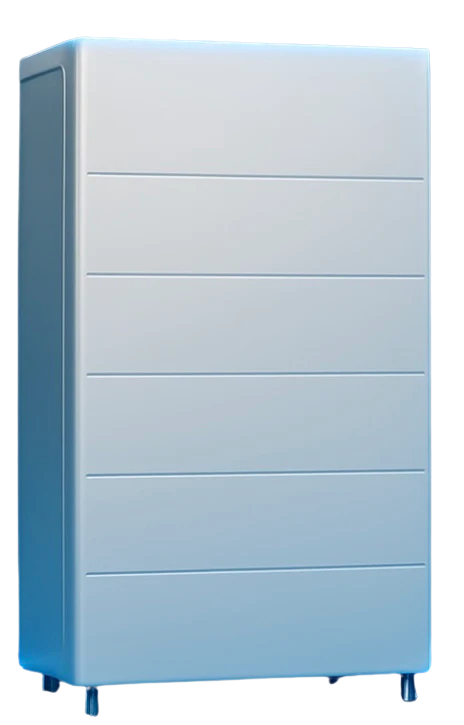
When severe weather, grid instability, or localized network faults knock out power to your neighborhood, you might expect a home equipped with rooftop solar panels to keep running smoothly. However, many Australian homeowners discover a frustrating surprise during their first major outage: despite clear skies and a roof full of solar panels, the house goes completely dark.
This common scenario raises an important question for anyone evaluating energy independence
does a battery work in a blackout?
The quick answer is yes, a solar battery can keep your home powered when the main grid fails. However, backup operation does not happen automatically just because a battery is attached to your wall. Specific equipment, proper system design, and correct configuration are required to ensure continuous power.
Below is a detailed guide on how solar battery blackout protection functions, why standard solar installations shut down during outages, the difference between essential circuit and whole home backup, and how to prepare your property for complete energy resilience.
The Common Misconception: Why Standard Solar Systems Shut Down
To understand how battery backup works, it helps to look at why standard solar systems turn off when the grid fails.
When power from the main grid stops, grid tied solar inverters immediately shut down. This automatic safety mechanism is known as anti islanding. Australian safety standards require all grid connected inverters to disconnect from the electricity network within a fraction of a second during an outage.
This requirement protects utility workers repairing damaged lines. If solar panels continued exporting electricity into a dead line, it could send dangerous voltage through local infrastructure, creating severe hazards for line workers.
Because standard solar inverters rely on the grid to synchronize voltage and frequency, they cannot generate power independently. When the grid goes offline, your solar panels shut down as well, even if the sun is shining directly on your roof.
How a Battery Storage System Operates During an Outage
A battery storage system paired with a hybrid inverter overcomes this limitation through specialized hardware capable of grid islanding.
When an outage occurs, an intelligent transfer switch or backup gateway detects the loss of main grid voltage. The system physically isolates your home from the external distribution grid, preventing power from leaking into public lines. Once isolated, the hybrid inverter creates an independent local power grid within your property.
During this process, several key operations take place:
- Rapid Switchover: High quality hybrid inverters detect an outage and switch to emergency power mode in under twenty milliseconds. This transition happens so quickly that appliances, computers, and internet modems continue running without resetting.
- Local Frequency Control: The hybrid inverter takes over frequency management, mimicking the grid to supply stable electricity to your connected home circuits.
- Continuous Solar Generation: In a properly configured DC coupled setup, your rooftop solar array remains active during the day. Panels continue generating solar power, running household appliances, and recharging the battery for evening use.
Essential Circuit Backup vs Whole Home Backup
When selecting a battery storage setup, understanding the scope of your backup protection is essential. System capabilities generally fall into two categories:
Essential Circuit Backup
For many residential installations, installers configure a dedicated essential load sub board. In an outage, the battery powers designated critical appliances rather than every device in the house.
Typical essential circuits include:
- Refrigerators and freezers
- Wi-Fi routers and communication hubs
- Key interior lighting circuits
- Home security systems and electronic garage doors
- Select kitchen power points and low wattage medical devices
This approach conserves stored battery capacity, allowing a moderate sized battery to stretch coverage over extended outages lasting multiple days.
Whole Home Backup
Whole home backup keeps every electrical circuit in the house active during a grid failure. Achieving full home backup typically requires a larger battery array, high output inverter capacity, and three phase power routing where applicable.
With whole home backup, large appliances such as ducted air conditioning, electric cooktops, and high speed EV chargers can operate off grid. However, running high demand appliances during a power failure depletes battery storage quickly, requiring careful monitoring through mobile energy tracking applications.
Essential Factors That Affect Blackout Performance
Investing in a solar battery does not automatically guarantee unlimited power during an extended crisis. Real world blackout performance depends on several critical operational variables:
- Inverter Power Output
Battery storage capacity (measured in kilowatt hours) determines how long you can run appliances, while continuous inverter output (measured in kilowatts) dictates how many appliances you can power simultaneously. If appliance power draw exceeds the peak output limit of your hybrid inverter, the system may trip or shut down to protect its circuitry.
- Emergency Reserve Settings
Many energy storage systems allow users to set reserve discharge limits through software. If your system drains down to zero during normal daily usage, you may find yourself with little reserve capacity when an unpredictable storm knocks out grid power overnight. Setting a dedicated blackout reserve percentage ensures your battery always retains a safety margin for unexpected grid failures.
- Solar Recharging Capability
Not all battery retrofits allow solar panels to charge the battery while operating off grid. When choosing a setup, verify that your installation supports continuous solar charging during blackout conditions, enabling a self sustaining loop that stretches coverage over several days.
How to Verify if Your Solar Battery Is Blackout Ready
If you already have a solar battery or are planning an installation, verify that your design includes backup capabilities by checking these steps:
- Review Installation Documentation: Look for terms such as Emergency Power Supply (EPS), Uninterruptible Power Supply (UPS) Mode, Islanding Protection, or Backup Gateway in your contract.
- Inspect Your Main Switchboard: A blackout ready electrical setup usually features a separate essential loads sub board or an automated changeover switch installed near your primary switchboard.
- Confirm Solar Recharge Rules: Ask your accredited solar installer whether your panels will actively recharge your battery during extended daytime outages.
- Test Emergency Functionality: Ask your technical installer to perform a manual grid disconnect test during commissioning to observe how your system handles a simulated blackout.
Frequently Asked Questions
Will my solar battery turn on automatically during a blackout?
Yes. Modern hybrid battery storage systems feature automatic transfer switches that detect grid failures instantly. The switchover typically occurs in milliseconds, providing seamless power without requiring manual intervention.
Can a solar battery recharge during a prolonged power outage?
In a properly designed DC coupled hybrid installation, solar panels continue generating electricity during the day. That energy powers household appliances while routing surplus production directly back into the battery for nighttime use.
Why did my solar installer say my battery won't work in a blackout?
Some budget battery installations or AC coupled retrofits are designed strictly for daily tariff arbitrage (storing solar by day to offset peak evening utility rates). If emergency backup hardware or isolation switches were omitted to lower upfront installation costs, the battery will remain inactive during grid failures.
What size battery do I need to survive an extended blackout?
System size depends on household energy usage and selected backup loads. Protecting critical circuits like refrigeration, lighting, and communications typically requires moderate storage capacity, whereas running large heating or cooling systems requires larger storage arrays and higher inverter power ratings.