

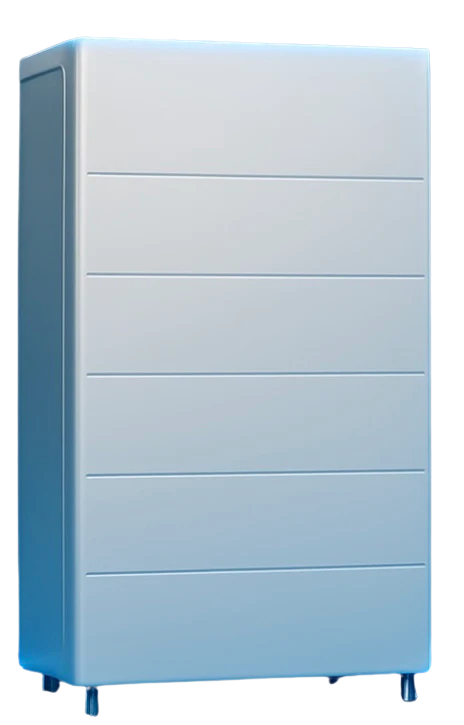
When your solar panels generate more power than your family is using, that excess energy charges your battery. In the afternoon and evening, when everyone is home, the air conditioning, pool pumps, EV charger, and appliances can draw from stored solar instead of expensive grid power. At night, a correctly sized system can keep most, or even all, of your key circuits running on battery energy.
For larger Sydney and NSW homes on acreage, with big roof space and high bills, solar battery storage turns your existing solar into a true whole-home energy system. You effectively “time shift” your solar, so midday production covers peak evening usage, not just what you use during the day.
Who benefits most
- Homeowners with large families and regular evening power spikes
- Acreage properties with pumps, sheds, and long running equipment
- EV owners who prefer to charge at home after work
- Existing solar owners who still receive high electricity bills
If you want a deeper breakdown of how panels and batteries work together for family homes in Australia, explore our guide on understanding how solar energy works.
Maximizing Savings with Federal and NSW Battery Incentives
Rebates can take a serious chunk off the upfront cost of a solar battery for your Sydney home, if you structure them correctly.
Federal Cheaper Home Batteries Program
The federal program is designed to support households installing a compliant home battery system. In practice, this suits high-usage homes that:
- Own their property and live in it as a primary residence
- Have an existing or planned solar system sized for strong daytime generation
- Install an approved battery with a qualified installer
The rebate is capped, and the final amount depends on battery size and program rules at the time of installation.
NSW Battery Rebates and VPP Incentives
NSW offers separate support through targeted battery discounts and Virtual Power Plant (VPP) incentives. These typically apply when you:
- Install an eligible battery in NSW
- Connect to a participating VPP program for controlled exports
- Use an approved installer and meet network requirements
Why You Cannot Stack NSW and Federal Rebates
Myth You can claim both NSW and federal battery rebates on the same system.
False Current program rules only allow one major battery rebate on a single installation. You must choose which scheme delivers better value for your battery size, usage pattern, and location.
Our team walks you through this choice, so you do not leave money on the table. For a deeper breakdown of NSW schemes, see our guide on the NSW battery rebate and incentives
Choosing the Right Solar Battery System for Your Home
The right battery size and brand choice decides whether your evening bills drop a little, or a lot.
1. Get the capacity right for heavy evening use
For large Sydney homes with pools, ducted air conditioning, acreage pumps, and EV charging, we usually look in the 20 to 42kWh+ range. A simple way to prepare is to list:
- Your typical evening usage window, for example 4 pm to midnight
- Major loads you want covered, such as AC, EV charger, ovens, pumps
- Whether you want partial backup, or near whole home coverage
If you are comparing large systems, our high capacity battery pricing guide is a useful next step.
2. Compare trusted battery brands and designs
For NSW homes we often design around proven brands such as Tesla Powerwall, FOX ESS, Sungrow, Growatt, Sigenergy, AlphaESS, Canadian Solar, and Jinko. Look for:
- Modular design so you can start smaller and expand later
- Strong usable capacity that matches your overnight needs
- Solid local warranty backing and support in Australia
You can compare FOX ESS against Tesla in more detail in our guide on FOX ESS vs Tesla Powerwall.
3. Backup power, EVs, and integration
- Confirm the system can power key circuits during a blackout, such as lights, fridge, communications, and selected power points
- Match the hybrid inverter to your home supply, single phase or three phase, and your peak load
- Ensure clean integration with existing solar panels and your EV charger, to prioritise solar energy before the grid
A design consult aligns all of this, so the battery works with your family’s real usage, not a generic template.
Connecting Your Solar Battery to a Virtual Power Plant (VPP) for Extra Benefits
VPPs turn your home battery into part of a smart, flexible power network that can pay you back over time.
What a VPP Does for Your Home
A Virtual Power Plant connects many home batteries through smart software. When the grid is under pressure, your battery can export stored solar, usually in return for bill credits or special tariffs. For high usage NSW homes with large batteries, this can mean:
- Extra income or credits on top of your normal solar savings
- Better use of a 20 to 42kWh+ battery that would otherwise sit partially full
- Support for the grid in heatwaves and high demand periods
How NSW VPP Incentives Fit In
Certain NSW programs link battery discounts to VPP participation. You agree to controlled exports under set rules, and in return you reduce upfront cost and may receive ongoing VPP benefits. Program settings can change, so our team checks current eligibility and any limits before you commit.
Practical Tips for Joining a VPP
- Confirm your battery brand and inverter are VPP compatible
- Check how often the VPP can use your battery, and minimum reserve for your home
- Review contract length, exit rules, and how bill credits are applied
If blackout backup is a priority, pair any VPP decision with a design that protects your key circuits. Our guide on FoxESS blackout protection explains how this works in detail.
Installation, Cost Overview, and Practical Bill-Cutting Tips
A quality battery is only as good as the installation and the plan behind it.
How installation works with accredited NSW technicians
A typical home battery install for a high-usage NSW home follows clear steps:
- Site assessment, to confirm switchboard condition, cabling paths, and where the battery and inverter will sit
- System design, matching capacity to your air conditioning, pool, acreage loads, and EV charging
- Compliance checks, including DNSP approvals and safety protections
- Physical installation, wiring, commissioning, and app monitoring setup
- Handover, with a walkthrough of operating modes and backup settings
Using accredited installers protects your warranties and rebate eligibility. You can learn more about our process in the battery storage installation guide.
Installed cost range after rebates
For NSW family homes, installed battery systems usually sit in the $6,000 to $24,000 range after eligible rebates, depending on:
- Capacity, for example moderate storage compared with 40kWh plus systems
- Brand and inverter choice, such as premium names versus value-focused options
- Single phase versus three phase design, and any switchboard upgrades needed
For a deep dive on large systems, our 42kWh battery pricing guide breaks down the main cost drivers.
Maintenance, warranties, and cutting your bills
- Most modern lithium batteries need minimal maintenance, apart from periodic checks and clean, ventilated surroundings
- Pay close attention to product, performance, and workmanship warranty lengths, and who honours them locally
- Use smart monitoring to shift heavy loads into sunlight hours, then let the battery cover the evening peak
When set up correctly, this keeps more of your usage off peak tariffs, which can lower both electricity bills and day to day mortgage pressure on large, high-consumption homes.