
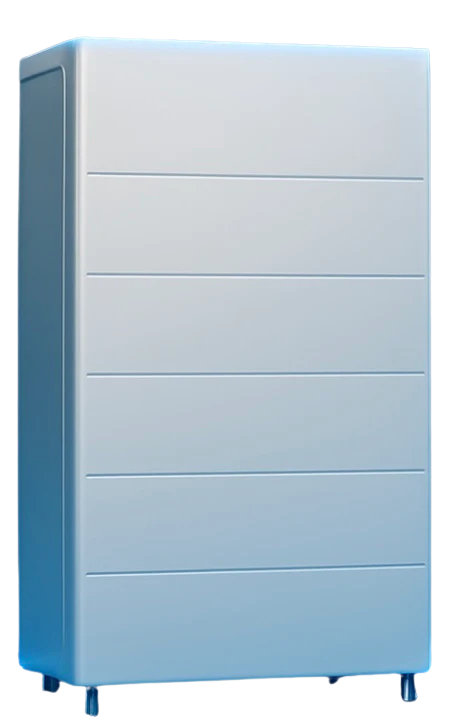
Hybrid inverters are becoming the quiet hero of modern solar systems in Australia. If you have heard of solar panels, batteries, and feed in tariffs, the hybrid inverter is the smart hub that ties everything together so your energy works harder for you.
A standard solar inverter converts the DC power from your panels into AC power for your home or business. A hybrid inverter does this and more. It also manages a battery, talks to the grid, and decides in real time where your solar energy should go.
What Does a Hybrid Inverter Actually Do?
Think of a hybrid inverter as your energy traffic controller. At any moment during the day it can:
- Use solar first to run your home or business loads.
- Send excess solar into a battery for later use.
- Export surplus power to the grid once your battery is topped up.
- Draw from the battery in the evening or during peak tariff periods.
- Draw from the grid only when solar and battery are not enough.
All of this happens automatically, based on the system settings and your usage patterns. With smart monitoring (through an app or web portal), you can see when you are using grid energy, when your battery is stepping in, and where you can adjust to save more.
How Hybrid Inverters Fit Into an Australian Solar System
In a typical Australian setup with a hybrid inverter, your system has three main parts: solar panels, the hybrid inverter, and a compatible battery system. The inverter sits between your panels, your switchboard, and the battery. It constantly balances solar production with what your home or business needs, what your battery can store, and what makes sense economically on your tariff.
For eco conscious households, small businesses and even first time buyers, this means you can:
- Lift your self consumption by using more of the solar you generate instead of sending it straight to the grid.
- Reduce bill shock by shifting more of your usage away from peak grid rates.
- Support sustainability by relying less on grid energy that often comes from fossil fuels.
Hybrid inverter systems give you a practical path to better energy efficiency, lower running costs, and a cleaner footprint without needing to micromanage switches and timers every day.
Curious how a hybrid system would fit your roof, budget, and tariff plan? Explore our solar solutions overview or book a tailored design through our solar system design and consultation service. Your savings can start with a clear, simple plan.
Top Benefits of Hybrid Inverters for Australian Homes and Businesses
Hybrid inverters suit Australian life because they help you use more of your own solar, reduce your bills, and stay comfortable when the grid is under pressure. They bring together solar, battery and grid power in one smart system that works quietly in the background.
Smarter Energy Use and Lower Bills
A hybrid inverter uses a simple priority, solar first, then battery, then grid. This approach helps you:
- Use more of your own solar power, instead of buying from the grid at higher rates.
- Store excess solar in a battery for evenings, early mornings, and cloudy days.
- Avoid peak tariffs by running more of your usage from stored energy during expensive periods.
For households, this means more predictable bills and less bill shock from summer air conditioning or winter heating. For small businesses, it supports healthier cash flow and more control over operating costs.
Greater Energy Independence and Reliability
With a hybrid inverter and battery, you are less at the mercy of grid prices and grid reliability. The system can keep important circuits powered when the network goes down, depending on the design and backup capacity chosen.
- Families can keep lights, internet, and key appliances running during outages.
- Businesses can protect fridges, POS systems, and essential equipment so trading is less disrupted.
This extra reliability is especially valuable if you work from home, run a hospitality venue, or simply want peace of mind in storm season. If blackout protection is a priority for you, a tailored solar and battery design can help, and you can learn more about storage options through our battery storage solutions.
Lower Carbon Footprint with Flexible System Design
Every extra unit of your own solar that you use instead of grid power helps reduce demand for energy from fossil fuel sources. Hybrid inverters make that easier by shifting solar from the middle of the day to when you actually use it.
They also suit a wide range of property sizes and living situations.
- Detached homes can pair larger arrays with bigger batteries.
- Small businesses can scale systems to match trading hours and equipment loads.
- Newer homeowners and eco conscious buyers can start with a modest system, then add battery capacity later.
If you care about sustainability, a hybrid inverter helps your solar system line up with your values, not just your bills. You cut your carbon footprint, gain more control, and build a long term energy solution that fits your lifestyle and future plans.
Ready to explore a hybrid setup that matches your roof, usage, and budget? You can start with a clear overview of residential options at our solar energy for homes in Australia page, then request a tailored quote when you feel ready.
How Hybrid Inverters Support Sustainability and Energy Independence
Hybrid inverters are a practical way to match your daily life with your sustainability goals. Instead of sending most of your solar straight back to the grid when you are not home, a hybrid system stores that energy so you can use it in the evening, overnight, and on cloudy days.
Using More Renewable Energy, Less Grid Power
A hybrid inverter constantly chooses between three sources, your solar, your battery, and the grid. The priority is usually:
- Use rooftop solar first to power your home or business in real time.
- Charge the battery with any solar you are not using.
- Draw from the battery when the sun drops or tariffs rise.
- Use grid power only when solar and storage are not enough.
This pattern means more of your everyday energy comes from your own clean generation. You lean less on grid electricity, which often includes energy from fossil fuel sources, and you make your solar panels work harder for your household or business.
Supporting Lower Emissions in Australia
When you increase your self use of solar, you help reduce demand for higher emission generation on the network. One property will not change the whole system on its own, however hybrid systems installed across suburbs and business districts support Australia’s shift toward cleaner energy.
For eco conscious households, small businesses, and young buyers, that matters. Your system is not just a way to cut bills. It also supports a lower carbon lifestyle and aligns with the broader move toward renewable energy. If you want to go deeper on how solar fits into that bigger picture, our guide on how solar energy works and its benefits gives a clear walkthrough.
Options for Renters and First-Time Homeowners
You might not own a large family home yet, or you may be renting, and still want to take steps toward energy independence. Hybrid systems can suit these situations with:
- Scalable designs that start with a smaller battery, then grow as your budget or property size increases.
- Compatible battery brands that allow extra capacity to be added later, instead of replacing the whole system.
- Compact and modular equipment that can suit townhouses, units, or mixed use spaces.
In some cases, a system can be designed so key components move with you to a future property, while new panels and wiring are installed at the new address. This makes hybrid storage a realistic option for first time buyers who do not plan to stay in one place for decades.
If you want a system that supports both your budget today and your future plans, our team can walk you through scalable hybrid designs and battery choices. You can start a conversation with a simple enquiry through our free solar quote form.
Navigating Costs, Government Incentives, and Financing Options
One of the biggest questions about hybrid inverter systems is simple, how much is this really going to cost, and how do I bring that cost down without cutting corners on quality or safety.
Understanding Typical Upfront Costs
A hybrid setup usually includes solar panels, a hybrid inverter, a battery, installation, and required safety gear. The total price varies based on:
- System size for your roof space and usage.
- Battery capacity for how much backup and bill reduction you want.
- Single or three phase power in your home or business.
- Installation complexity such as roof type, switchboard upgrades, or trenching.
Homeowners often look for a balance of strong bill savings and a realistic budget. Small business owners tend to size systems to match trading hours and critical loads. Young buyers and first time owners usually start smaller, with the option to expand later.
How Rebates and Incentives Help
Australian government support can take a significant amount off the upfront price of a hybrid system. You may be eligible for:
- Federal support through renewable energy certificates that reduce the cost of the solar component.
- State based rebates or loans that help with panels, batteries, or both, depending on where you live.
Because programs differ by state and property type, it helps to check current options for your address. Our guides for Australian solar rebates and incentives and state rebate information walk you through common pathways and application steps.
Financing and Payment Options
If the upfront cost worries you, you have choices that spread payments out while you enjoy lower bills from day one. Typical options include:
- Green loans from banks or finance partners, with repayments structured over [insert period].
- Interest free or low interest plans with set weekly or monthly payments.
- Upfront payment where you use savings or a redraw facility and keep ongoing costs minimal.
For small businesses, there may also be options to treat the system as a business asset with tax and depreciation benefits, subject to your accountant’s advice.
How to Look at ROI with Clear Eyes
To judge if a hybrid system is worth it, focus on a few simple checks:
- Compare current bills with a forecast that shows your expected grid use after solar and battery.
- Check payback period in years using total cost versus estimated yearly bill savings.
- Factor in tariff changes by running best case, mid case, and conservative scenarios.
- Consider non financial value such as blackout protection and lower carbon footprint.
Transparent numbers give confidence. You should be able to see the system price, expected savings, and assumptions behind the quote in plain language. If you want support comparing options, our solar financing overview explains common structures and what to look for before you sign anything.
If you are ready to see how a hybrid system could fit your budget, the next step is a tailored quote that includes rebates, finance options, and a clear payback estimate for your home or business.
Key Features to Consider When Choosing a Hybrid Inverter
Choosing the right hybrid inverter matters for your comfort, your bills, and your peace of mind. The good news is you do not need an engineering degree. You just need to know which features affect everyday life in your home or business.
Battery Compatibility and Size
Your inverter and battery must be compatible, both electrically and in how the software communicates. When assessing options, check:
- Approved battery brands that the inverter manufacturer lists as compatible.
- Expandable capacity so you can add more battery storage later if your usage grows.
- Right battery size for your needs, for example [insert capacity] for a smaller home or [insert capacity] for a business with higher night use.
A tailored design through a specialist installer helps match inverter and battery brands. You can explore popular storage options on our battery solutions overview.
System Capacity and Load Management
System capacity is about how much solar and battery power your inverter can safely handle. Key checks include:
- Inverter power rating suitable for your peak usage.
- Single or three phase compatibility to match your property supply.
- Load management features that let you prioritise essential circuits, such as fridges, lights, NBN, or critical business equipment.
Good load management lets you stay comfortable during peak periods and gives you a clear plan for what stays on if the grid fails.
Smart Energy Monitoring and Integration
A strong hybrid inverter should include smart monitoring that is simple to read. Look for:
- App or web portal access that shows solar generation, battery level, and grid import.
- Real time and historical data so you can spot patterns and adjust behaviour.
- Integration with existing solar if you already have panels and want to add a battery ready inverter.
Clear monitoring helps you get the most from your system without guesswork. Our guide to smart energy monitoring and controls explains what this looks like in practice.
Blackout Protection and Backup Power
Not all hybrid inverters provide backup during outages. If blackout protection matters for you, confirm that the inverter:
- Has backup or EPS (emergency power supply) capability built in.
- Supports a dedicated backup circuit for priority loads.
- Can start quickly when the grid drops, so your essential circuits keep running.
For homes, this usually means lights, Wi Fi, and refrigeration. For businesses, it often includes tills, security systems, and key equipment. A clear design step is deciding what you want powered during an outage, then sizing the inverter and battery around that list.
Brand Reliability and After Sales Support
A hybrid inverter works hard every day in Australian conditions. Reliability and support matter just as much as specifications. When comparing brands, check:
- Product warranty length and terms for both the inverter and monitoring hardware.
- Local support presence in Australia for warranty claims and technical help.
- Installer workmanship warranty for wiring, switchboard work, and mounting.
You are not just buying a product, you are choosing a long term energy partner. A trusted installer with clear warranties, like the coverage outlined in our solar warranties overview, can give you confidence that support is there for the life of your system.
Ready to match features with your real usage? A tailored hybrid design can align battery size, backup coverage, and budget so you know exactly what you are getting before you sign anything.
Installation and Maintenance Overview
A hybrid inverter system is a long term asset, so a clean, professional installation and simple maintenance plan are just as important as the hardware you choose. Here is what you can expect at each stage.
What to Expect During Installation
A quality installer will move through a clear process so there are no surprises on the day. Typical steps include:
- Site inspection and design to confirm roof condition, switchboard capacity, battery location, and any shading or access issues.
- Safety preparation with isolating power, setting up ladders or scaffolding, and marking out cable runs.
- Mounting hardware and panels on the roof or structure that suits your property.
- Installing the hybrid inverter and battery on a solid wall in a suitable area, for example a garage or plant room with good ventilation.
- Wiring and protection devices between panels, inverter, battery, and switchboard, with all required isolators and labels.
- Network and monitoring setup so your system connects to Wi Fi or ethernet for live tracking and remote support.
- Testing and handover where the installer checks performance, explains how your system works, and shows you the monitoring app or portal.
For small businesses, the process is similar, with extra care around operating hours and critical equipment. A good installer will schedule work to minimise disruption and plan any short power interruptions with you in advance. If you want a deeper look at how we manage this across Australia, you can explore our solar installation and maintenance services.
Ongoing Maintenance to Keep Performance High
Hybrid inverter systems are relatively low touch, but they still benefit from simple, regular checks. Common maintenance tasks include:
- Visual inspections of panels, wiring, and conduit for damage, corrosion, or loose fittings.
- Checking inverter status lights and app alerts to pick up faults early.
- Verifying battery health through the monitoring platform, including charge level behaviour and any warning notifications.
- Cleaning panels when dust, leaves, or bird activity build up, especially in coastal or high traffic areas.
- Scheduled professional check ups where a qualified technician tests outputs, safety devices, and cabling.
Most homeowners can handle the basic visual checks and keep an eye on the app. For detailed inspections, performance issues, or any electrical work, it is important to call an accredited technician. Our repair and guarantee services outline what a professional service visit usually covers.
Why Professional Installation Matters for Safety and Savings
A hybrid system brings together high voltage DC from panels, AC from the grid, and stored energy in a battery. Incorrect design or wiring can affect safety, void warranties, reduce performance, and impact your eligibility for rebates or feed in tariffs.
A professional, accredited installer will:
- Follow Australian Standards and local network rules.
- Size cabling, protection, and earthing correctly.
- Configure your hybrid inverter for safe charging, discharging, and backup operation.
- Provide compliance documentation and warranties for both products and workmanship.
Your hybrid inverter is only as good as its installation. With the right team, you get a safe system that performs as designed, protects your property, and delivers the long term savings and energy security you are aiming for.
Ready for a smooth, professional install? Reach out for a tailored design and quote through our contact page and we will guide you from first questions to final handover.
Hybrid Inverter FAQ: Straight Answers to Common Questions
What size battery should I choose for my property?
The right battery size depends on three main points.
- Your average daily usage in kWh, taken from your power bill.
- How much night time or backup coverage you want, for example just essentials or most of the property.
- Your budget and plan to expand later, some systems allow extra batteries to be added over time.
A simple approach is to match a battery to a portion of your typical daily use, then adjust up or down based on how important backup power and bill reduction are for you. A design consultation can map this out clearly using your own bills. If you want help running those numbers, our team can step you through options through our residential solar systems service.
How does a hybrid inverter manage blackout situations?
In a blackout ready setup, the hybrid inverter monitors the grid. When it detects an outage, it disconnects your system from the network for safety and supplies power from the battery (and solar if the sun is out) to selected backup circuits.
Key points to know.
- You choose which circuits are backed up, for example lights, fridge, Wi Fi, key business equipment.
- The amount of time you have backup power depends on battery size and what is running.
- When the grid returns, the inverter reconnects and goes back to normal operation.
Not every hybrid inverter includes this feature, so always check for backup or EPS capability in the product specification. For a deeper look at storage designed with outages in mind, you can explore our battery storage installation overview.
Can hybrid inverters work in rental properties or for short term stays?
Hybrid systems suit renters and shorter term owners if you plan carefully.
- For renters, you usually need landlord approval for any fixed rooftop install. Some people focus on portable battery options or small plug in systems as a first step.
- For first time owners who may move, you can choose a system where key gear, such as battery and inverter, can be relocated later, with new panels and wiring at the next property.
- Compact and modular components make it easier to fit smaller townhouses or units and can be more practical to move.
The best approach is to be honest about how long you expect to stay in the current property and design the system so it still makes sense if you move sooner than planned.
How do hybrid systems compare with traditional solar inverters?
A traditional inverter converts solar power to AC and feeds it straight into your property and the grid. A hybrid inverter does this and also manages a battery.
Key differences.
- Energy use, hybrid systems let you store excess solar for night time use, standard systems send more to the grid during the day.
- Bill control, hybrid setups can reduce peak time grid use by running from the battery when tariffs are higher.
- Blackout support, some hybrid systems can provide backup to essential circuits. Standard grid tie systems shut down during outages.
- Upgrade path, a hybrid inverter means you are battery ready without needing separate hardware later.
If you already have a traditional inverter, there are options to retrofit batteries in some situations, either with an additional unit or by replacing the inverter with a hybrid model.
What is involved in upgrading or expanding a hybrid system later?
Upgrades usually focus on three areas, more panels, more battery storage, or a new inverter with extra features.
- Adding panels, your roof, existing inverter rating, and local network rules decide how much extra solar you can add. An installer checks these before any upgrade.
- Adding battery capacity, many systems are designed so you can stack extra battery modules up to a specified limit. The new capacity must match the existing brand and model in most cases.
- Replacing or upgrading the inverter, this may be needed if you want more power, better monitoring, or full backup capability.
A good installer will review your original design, current usage, and future goals, then recommend a clear upgrade path that keeps warranties and safety standards intact.
Will a hybrid inverter work with three phase power or larger properties?
Yes, many hybrid inverters are suitable for three phase properties, including larger homes and small businesses. The design can use either a three phase hybrid inverter or multiple units working together, depending on the layout and loads.
For bigger properties, the focus is usually on.
- Covering daytime loads with enough solar capacity.
- Protecting critical circuits with a well planned backup design.
- Keeping the system within the local network export limits.
If you run a business from a larger site or have higher usage at home, a tailored three phase design is important so the system remains stable and compliant.
How long does a hybrid inverter and battery system last?
Hybrid inverters and batteries are designed for long service lives, but real lifespan depends on product quality, installation, environment, and how the system is used.
- Inverters usually come with a product warranty that covers a specified period of operation.
- Batteries often include a warranty based on years and a certain amount of energy throughput.
- Good installation and ventilation help equipment stay within its ideal temperature range, which supports longer life.
When choosing brands, look closely at warranty terms and local support in Australia, not just headline numbers.
Can I monitor and control my hybrid system from my phone?
Most modern hybrid inverters include app or web based monitoring. With a typical setup you can.
- See current solar generation, battery level, and grid import or export.
- View daily, weekly, and monthly energy trends.
- Adjust some settings, such as charge schedules or backup preferences, within allowed limits.
Reliable monitoring requires a stable internet connection, usually Wi Fi or ethernet. If your property has weak coverage, discuss options such as stronger routers or different connection methods during design.
What maintenance does a hybrid inverter and battery need?
The inverter and battery themselves are mostly self contained. You do not need to open or service them yourself. Typical care includes.
- Keeping the area around the inverter and battery clean, dry, and well ventilated.
- Checking the monitoring app or display for alerts or error messages.
- Organising periodic professional check ups to test performance and safety devices.
Panels may need cleaning in dusty or coastal areas. Any electrical work or fault finding should be handled by an accredited installer.
What is my next step if I still have questions?
If any part of hybrid systems still feels unclear, you are not alone. There are many variables, and the right answers depend on your roof, usage, budget, and how much independence you want from the grid.
Your questions are the starting point for a better design.
Ready to get tailored answers for your home or business? You can browse more common questions on our main solar FAQ page, or reach out for a custom hybrid assessment so we can walk you through options step by step.