
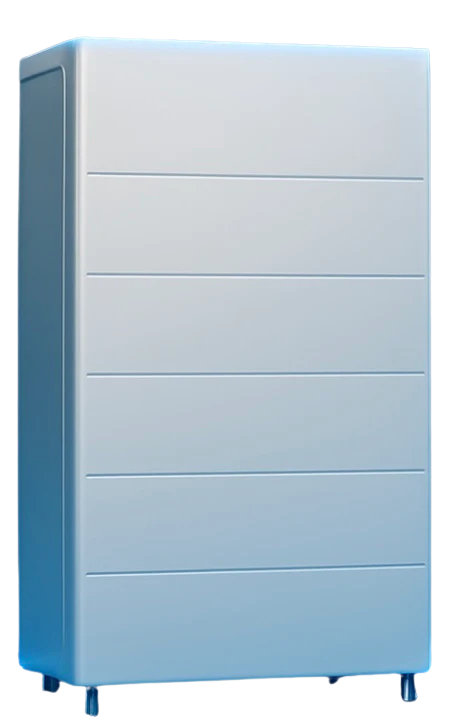
What Is Home Energy Storage?
How It Works With Solar Panels And The Grid
- Daytime: Solar panels generate power. Your home uses what it needs first.
- Excess solar: Any extra power charges your solar battery instead of going straight back to the grid for a low credit.
- Evening and night: When the sun drops and your family is cooking, showering, watching TV, and charging devices, the battery supplies power before your home draws from the grid.
- Grid interaction: If the battery is full and your usage is low, surplus can still export to the grid. If the battery runs low, your home automatically draws grid power.
Solar Battery Basics For Large Family Homes
- Store excess solar energy during the middle of the day when the property is often using less power than the panels produce.
- Cut electricity bills by using that stored solar in peak evening periods instead of buying expensive grid power.
- Support electric vehicle chargingsince you can schedule EV charging to run when the battery is full and tariffs are high, which keeps more of your driving powered by your own solar.
- Provide backup powerfor key circuits during outages if the system is designed for backup use.
Why Home Energy Storage Suits Acreage And EV Owners
Key Benefits Of Home Energy Storage For Australian Homeowners
1. Lower Electricity Bills And Better Cost Of Living Control
- Shift usage into cheap solar hours. The battery stores excess solar during the day, then covers your high demand in the evening when tariffs are usually highest.
- Protect yourself from bill shocks.When prices or daily usage jump, a well sized battery softens the impact because more of your power comes from your own roof.
- Support your mortgage and family budget.Every reduction in your electricity bills helps ease pressure on repayments, school costs, and everyday expenses.
2. Greater Energy Independence For Acreage Properties
- More control over when you buy from the grid, instead of being forced to use grid power whenever the sun is not shining.
- Less reliance on energy retailers,since a larger share of your power is self generated and stored.
- A system tailored to your land and lifestyle,including pumps, sheds, and other loads that suburban homes rarely have.
3. Backup Power When The Grid Goes Down
- Fridges and freezers stay on, which avoids food losses.
- Key lights and power points keep working so the family can function safely and comfortably.
- Critical loads such as water pumps or communications equipment remain powered while the grid is offline.
4. Cleaner EV Charging From Your Own Solar
- Store daytime solar and schedule EV charging for the evening when the battery is full.
- Use more green energy, since a higher share of your driving is powered by solar instead of grid electricity.
- Manage multiple vehicles in larger families, by combining smart charging times with your battery storage.
5. Environmental Benefits And Long Term Household Resilience
- Lower carbon footprint through higher self consumption of clean solar power.
- Better use of existing solar panels, since less surplus is wasted or exported for low credits.
- More resilient home , with solar, battery storage, and possibly a virtual power plant connection working together for stability.
Solar Battery Options And Technologies For Australian Homes
Why Lithium Ion Is The Standard For Home Batteries
- Safety , with built in battery management systems that control temperature, voltage, and charging behaviour.
- High efficiency, so more of your solar energy makes it in and out of the battery instead of being wasted as heat.
- Lifespan, with many systems designed for frequent daily cycling over many years of use.
- Compact size, which suits garages, sheds, and tight plant rooms on rural properties.
Key Specs To Compare For A Family Home
- Usable capacityin kilowatt hours, which determines how long the battery can run your evening loads, pumps, and EV charging schedule.
- Power outputin kilowatts, which affects how many heavy loads you can run at once from the battery, such as air conditioning and EV charging.
- Cycle life and warranty, so you know how many charge and discharge cycles are supported and what is covered for product and performance. You can read more about this in our guide on understanding solar warranties.
- Scalability, so you can start with one unit and add more storage later as your family or EV fleet grows.
How Popular Brands And Panels Fit Together
- You choose strong solar panels such as Jinko or Canadian, sized for your acreage roof space.
- You pair them with a quality hybrid inverter from a brand like Sun Grow or Growatt, which manages both the solar and the battery charging.
- You add the battery brand that best fits your budget, capacity needs, and backup requirements.
Compatibility With Inverters And Existing Systems
- Whether your existing inverter is battery ready or if you need a new hybrid unit.
- Whether the chosen battery communicates properly with that inverter model.
- Whether your switchboard and cabling on a large property can handle the extra load and backup circuits.
Government Rebates And Incentives For Solar Batteries In Australia
1. Federal Support For Solar Batteries
- Support tied to system size, where larger solar and storage systems can access higher total benefits, subject to program rules.
- Approved products and installers, such as CEC accredited systems and retailers, which protects you from poor quality equipment or unsafe work.
- Credits applied at quote stage, so you see the reduced cost before you commit, instead of waiting for a rebate after installation.
2. State And Territory Incentives
- Upfront rebatesthat directly reduce the purchase price of a battery system for eligible homeowners.
- Low interest loansthat spread the cost over time, which can help if you are already balancing a mortgage and family expenses.
- Targeted schemesfor specific regions, income brackets, or existing solar owners who add a battery later.
3. Typical Eligibility Requirements
- Property must be an owner occupied home, not a rental or apartment.
- System must be installed by accredited professionals using approved products.
- Battery must meet minimum capacity, safety, and performance standards.
- Household may need to meet income or property value thresholds, depending on the scheme.
4. Application Process In Plain Language
- Eligibility check.You or your installer confirm that you meet the program rules for ownership, location, and income if relevant.
- System design and quote.A CEC accredited designer sizes your solar battery system around your acreage usage and EV charging needs.
- Rebate registration.Your installer submits required documents to the relevant government portal or scheme administrator.
- Installation and sign off.Once approved, the system is installed, inspected, and connected to the grid, with paperwork lodged to claim the benefit.
- Rebate applied.The incentive is usually taken off your invoice or paid to the installer, which means you pay the net cost.
5. Practical Tips To Maximise Your Savings
- Size the system intelligently.A slightly larger battery or solar array can sometimes access higher total benefits through certain schemes, which improves long term value.
- Combine solar and battery where it makes sense.Some programs favour integrated systems, so bundling can increase support compared with adding a battery later.
- Choose quality over the absolute lowest quote. Rebates usually require approved brands and proper warranties. A cheap, non compliant system can cost more when it fails or misses eligibility.
- Ask your installer to factor rebates into the quote.A transparent quote should show gross cost, rebate value, and net cost so you know exactly what you are paying.
- Check time limits and program caps.Some schemes have funding caps or closing dates, so moving sooner can protect your access to support.
Virtual Power Plants And Smart Energy Management
What Is A Virtual Power Plant (VPP)?
How VPP Participation Can Help Your Household
- Smarter battery usage. The VPP software predicts peak times and can charge or discharge your battery in a way that supports lower bills.
- Potential financial returns. Some programs share revenue from selling stored energy back to the grid or paying for demand response events.
- Better integration with tariffs. VPPs often work well with time of use and demand tariffs that are common for acreage and high usage properties.
Smart Energy Management For Large Family Homes
- Live monitoring of solar production, battery charge level, and household consumption through an app or web portal.
- Load control so you can schedule heavy appliances, such as pool pumps or EV chargers, into solar rich or off peak periods.
- Custom alerts for unusual usage, low battery levels, or system issues so you can act before you see a surprise bill.
Bringing VPPs And Smart Control Together
- You see when the VPP is likely to call on your battery, which lets you plan EV charging and household loads around those windows.
- You can protect a minimum battery reserve for outages while still allowing the VPP to use the rest.
- You build a repeatable routine for weekdays, weekends, and holidays, which keeps bills predictable and low.
Installation, Maintenance, And Choosing The Right System
Once you know a solar battery suits your acreage home, the next step is choosing the right system and installer, then getting it fitted properly. Good design and installation protect your warranty, your safety, and your long term savings.
Selecting A Certified Installer For Acreage Properties
For a large family home with sheds, pumps, and EV charging, you need more than a basic rooftop solar crew. Look for.
- CEC accredited designers and installerswith experience in solar battery storage, not just panels.
- Knowledge of long cable runsbetween house, shed, and outbuildings, which is common on acreage properties.
- Clear, written system designthat shows battery size, backup circuits, EV integration, and where everything will be installed.
- Strong warranties and support,backed by a stable retailer that offers service and maintenance. You can review coverage on pages such as our solar warranties.
A short phone call or site visit usually reveals whether a company understands acreage loads and large family usage, or is just pushing a one size fits all package.
What To Expect From The Installation Process
A typical solar battery installation for a family property follows a clear sequence.
- Site assessment.The installer checks your switchboard, meter, internet connection, and preferred battery location such as garage or shed.
- System design and approvals.They size the battery and inverter, select backup circuits, and organise any required network permissions.
- Physical installation.Mounting the battery, upgrading the switchboard if needed, wiring to the inverter, and connecting monitoring hardware.
- Commissioning and handover.Testing the system, setting backup reserves, connecting the monitoring app, and explaining daily operation.
On a bigger property, allow for extra time if new trenches or cabling are needed to reach sheds, pumps, or EV chargers.
Maintenance And Warranty Considerations
Modern lithium solar batteries from brands such as Tesla Powerwall, Sigenergy, Sun Grow, or Growatt are designed for low day to day maintenance. You still need to stay on top of a few key points.
- Regular visual checks for damage, dust, pests, or blocked ventilation around the battery and inverter.
- Monitoring app reviews to confirm the battery is charging and discharging as expected and that firmware updates are applied.
- Scheduled service visits where the installer inspects connections, safety devices, and system performance.
Always keep copies of product and performance warranties, installation paperwork, and network approvals. If you want a deeper look at long term coverage, resources such as our solar warranties guide are useful.
System Sizing, Scalability, And EV Integration
For a large family with one or more EVs, getting the size and layout right matters as much as the brand name on the battery.
- System sizing. Your installer should review at least [insert metric] of recent bills, your EV charging habits, pump usage, and future plans such as a second EV or pool.
- Scalability.Choose a system that allows extra battery modules or a second stack later. This suits families who plan more vehicles or extensions over time.
- EV integration. The design should support smart EV charging, either through the inverter platform or the charger, so you can prioritise solar and stored energy instead of peak grid power.
- Backup strategy. Decide which circuits must stay on during outages such as fridges, water pumps, and key power points, then size the battery and inverter to support those loads.
A well designed system for an acreage property is not just about today. It gives your family room to grow, supports your EVs, and keeps your energy predictable as tariffs, rebates, and technology shift over time.
Maximising Savings And Living More Sustainably With Home Energy Storage
Once your solar panels and battery are installed, the real value comes from how you use them day to day. For a large Australian family on acreage, smart habits and the right settings can make the difference between “good savings” and the lowest electricity bills your system can deliver.
1. Align Your Usage With Solar And Battery
Your goal is simple. Use free solar when it is available, then use stored energy from the battery, and only then draw from the grid.
- Run heavy loads in the middle of the day.Pool pumps, bore or tank pumps, washing, and dishwashers should run when the sun is strongest, not in the evening.
- Use timers and smart plugs.Set automatic schedules for hot water boosters, pumps, and other large appliances so you do not need to think about it every day.
- Protect your evening battery reserve.Avoid starting multiple heavy appliances at night so your battery can cover cooking, showers, and general family use.
If you want help setting up these patterns, a tailored system design service such as solar design and consultation can be useful.
2. Charge Your EV The Smart Way
On a big property with one or more EVs, charging habits can make or break your bill savings.
- Prefer daytime charging when possible.If a car is home during the day, set the charger to run while your solar output is strong.
- Use the battery for evening top ups, not full charges.Let the battery cover moderate evening charging and reserve big full charges for sunny daytime windows or off peak tariffs.
- Match charger settings to your system.Limit charging power if needed so you do not overload the inverter or drain the battery too quickly.
Think of your EV as part of the household load plan, not a separate item. Smart scheduling keeps more of your driving powered by your own green energy.
3. Optimise Solar Generation On Your Acreage Roof
Good production makes everything else easier. To keep your panels and battery working at their best, focus on practical checks.
- Keep panels clear of heavy dust, leaves, and shading from nearby trees or sheds.
- Review your monitoring data a few times each season to spot drops in output or faults early.
- Consider extra capacity if your family, appliances, or EV count grows. A larger array can feed your battery more effectively.
For a deeper overview of how solar supports household savings, you can read more in our guide to solar energy for homes in Australia.
4. Use Government Rebates And VPPs As Part Of Your Strategy
Rebates and VPP income sit on top of your usage habits. Treated properly, they shorten payback and ease mortgage pressure.
- Claim every eligible rebate.Check both federal and state programs before you sign a contract so the quote reflects your real out of pocket cost.
- Choose a VPP that suits your family.Look for programs that respect your backup needs, offer clear terms, and fit your tariff structure.
- Review VPP performancethrough your monitoring app so you can adjust settings if you see less benefit than expected.
5. Build Long Term Sustainable Habits
Green energy is not just about the hardware. It is about patterns your whole family understands.
- Teach simple rules such as “heavy appliances run when the sun is high” and “EVs charge on solar first.”
- Use your monitoring app as a guide, not just a novelty. Set a regular time each week to review usage and tweak schedules.
- Plan for the future. As kids get older, devices multiply, or more EVs arrive, revisit your system size and settings so your savings stay on track.
You deserve a home energy setup that supports your lifestyle, not one that dictates it.
With a quality solar battery, smart use of solar power, efficient EV charging, and the right rebates and VPP program, your acreage property can run on cleaner, cheaper, more predictable energy for years to come.