
Solar energy for family homes is simple. You use the sun to power your day, cut your electricity bills, and rely less on the grid.
If you have a large family, a big acreage property and an EV to charge, your power use is already high. Air conditioning, pool pumps, multiple fridges, irrigation, EV charging and all the everyday appliances add up. That is exactly where solar starts to make real difference to your cost of living.
What Is Solar Energy For A Family Home?
Solar energy is electricity created from sunlight. Roof mounted solar panels capture the sun, an inverter turns that solar power into usable electricity, and your home uses that power in real time. If you add a battery, any extra solar can be stored for the evening or during a grid outage.
In a typical setup:
-
- Solar panels on your roof or shed collect sunlight during the day.
- An inverter
- The grid acts as backup when solar is not covering everything.
- Optional battery storage keeps surplus energy for night use and blackouts.
You stay connected to the grid, but you buy far less electricity from your retailer.
Why Solar Suits Acreage Homes And Large Families
Acreage properties usually have something most suburban homes do not have, plenty of roof or shed space and fewer shading issues. That makes it easier to install a larger system that matches your family’s higher demand and future needs like more EVs or a bigger battery.
Key benefits for your situation include:
- Lower electricity bills, by running heavy daytime loads such as pool pumps, irrigation and air conditioning on solar.
- Support for EV charging, by using daytime solar to top up your vehicle instead of paying full grid rates.
- Less pressure on the household budget, which can help you manage mortgage repayments and other rising costs.
- Reduced reliance on the grid, especially when paired with a quality solar battery for night use and outages.
- Cleaner, greener energy for your family, without changing your lifestyle or giving up comfort.
If you want a deeper technical breakdown of how panels, inverters and batteries work together, you can explore dedicated guides such as solar energy for homes in Australia or our overview on how solar energy works and its benefits.
Understanding Solar Panels And Their Role In Your Home
Solar panels are the workhorse of your system. They sit on your roof or shed, quietly turning sunlight into usable electricity for your family, your EV and your property.
Main Types Of Solar Panels For Australian Homes
For large family homes on acreage, the most common options are:
- Monocrystalline panels (such as many Jinko and Canadian Solar panels), known for strong performance in a smaller area, ideal if you want higher output per square metre.
- Polycrystalline panels, often more budget friendly, suitable where you have plenty of roof or shed space and want to keep upfront costs down.
- High efficiency premium panels, designed for homes that want maximum production, long warranties and strong performance in hotter conditions.
For a busy acreage household, the key is not just the brand name. You want panels that have solid warranties, proven performance in Australian conditions and support from a reliable installer.
How Solar Panels Turn Sunlight Into Power
Each panel contains solar cells that react when sunlight hits them. This creates direct current (DC) electricity. Your inverter then converts that DC into alternating current (AC), which your home, EV charger and appliances use.
In simple terms, the more sunlight that hits your panels during the day, the more power you can use in real time for things like:
- Running ducted air conditioning
- Heating pool or spa systems
- Powering irrigation pumps and shed equipment
- Charging one or more EVs
Installation Considerations For Acreage Properties
Acreage homes usually have more options, which is a big advantage if your family uses a lot of power. Key points to consider include:
- Roof and shed space, using large north, east or west facing areas to fit a system sized properly for a high consumption household.
- Ground mounts, where roof space or orientation is not ideal, open land can host a ground mounted array.
- Shading and distance, planning layouts to avoid trees, tall sheds and long cable runs that reduce efficiency.
- Future upgrades, leaving room for extra panels or battery storage as your family, EV use and energy needs grow.
A tailored design from an experienced installer helps you match panel layout, inverter quality and cable runs to your specific property. You can explore how professional design works in more detail through a dedicated solar system design and consultation service.
How Solar Panels Offset High Electricity Bills
For a large family on acreage, daytime usage is often high. That is exactly when your panels are producing the most. By running major loads during solar hours, you reduce how much electricity you buy from the grid.
Typical strategies include:
- Setting pool pumps, bore pumps and irrigation to run in the middle of the day.
- Using timers or smart controls so dishwashers and washing machines run during peak solar generation.
- Charging EVs when the sun is strongest instead of at night on peak grid rates.
The right number of quality panels, matched to your actual usage patterns, is what turns your roof into a long term bill reduction tool for your family home and your mortgage.
The Importance Of Solar Battery Storage And Energy Independence
If solar panels are the workhorse of your system, the battery is the brains that turns daytime production into round the clock savings and security for your family home.
How A Solar Battery Works In Your Home
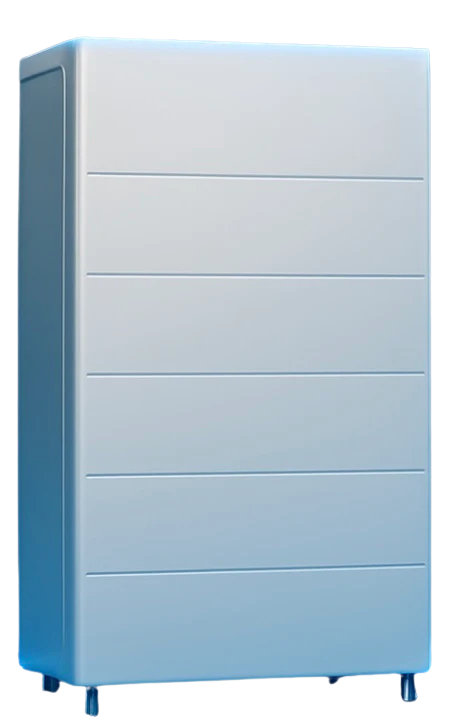
A solar battery, such as Tesla Powerwall or systems from brands like Sigenergy and others, stores the excess solar your panels produce during the day. Instead of exporting that surplus to the grid for a low credit, your battery keeps it for:
- Evening and night use, when your family is home, cooking, using devices and running heating or cooling.
- Early morning loads, before the sun is fully up but your home is already busy.
- Blackouts and grid outages, so your lights, fridge, Wi Fi, key power points and even EV charger (if designed that way) can stay on.
A hybrid inverter or battery compatible inverter manages the charging and discharging automatically. You can learn more about that integration in our guide to hybrid inverters for Australian homes.
Energy Security For Acreage And Large Families
For acreage properties, loss of power can affect far more than a few lights. You may rely on pumps for water, septic systems, security gates, refrigeration for large food stores and EV charging.
With a correctly sized battery system:
- Critical circuits keep running, so your home stays functional during an outage.
- Night time comfort improves, since you can keep air conditioning or heating running for longer without stressing about the next bill.
- EV charging is more flexible, using stored solar later at night instead of paying full grid tariffs.
Cost Effectiveness For High Usage Homes
For a small inner city apartment, a battery can be hard to justify. For a large acreage family that uses plenty of power from late afternoon into the evening, the numbers usually look different.
Key factors that improve value include:
- High evening usage, where stored solar directly replaces expensive grid power.
- Solar battery rebates, where available from federal or state programs, which reduce the upfront cost.
<liTariff structure</li, such as higher peak rates and lower feed in tariffs, which favour storing energy instead of exporting it.
An experienced designer will match battery capacity, such as a Tesla Powerwall or a modular stack from brands like SIGEnergy, to your real usage so you are not overpaying for storage you will rarely use. You can compare leading options through our resource on the best solar batteries for Australian homes.
Scalability For Growing Families And Properties
Many modern systems use modular batteries. This lets you start with a practical size for your current usage, then expand later as you add more EVs, a bigger shed, another pump or a granny flat.
- Stackable designs make it easy to add extra storage without replacing the whole system.
- Hybrid inverters are sized with some headroom so your future battery upgrade is plug in, not a full redesign.
- Smart monitoring shows when you consistently run out of stored energy, a clear signal that extra capacity will pay off.
For a mortgage paying family focused on long term cost of living, a planned solar plus battery setup turns your acreage property into a reliable, scalable energy system rather than just a roof full of panels.
Government Rebates And Incentives For Solar Batteries And Solar Power Systems
Government support can take a big bite out of the upfront cost of solar panels and solar batteries for your family home. If you are running a large acreage property with big power bills, using every available rebate is one of the fastest ways to improve your return on investment.
Federal Support For Solar Power Systems
At a national level, most homeowners access support through a system of tradable certificates often called solar rebates. In practice, this means:
- You receive an incentive based on your system size and location.
- The value usually comes off your quote as an upfront discount.
- You still own your system outright, there is no government ownership or control of your panels.
For high usage acreage homes, a larger system often attracts more certificates, which can soften the cost of going bigger from day one. A quality installer will factor this into your proposal so you see the net cost after federal support, not just the raw system price.
State Level Solar And Battery Incentives
On top of federal support, many states offer their own rebates or interest free loans for solar batteries and sometimes for panels. These programs change over time, but they often target:
- Solar batteries such as Tesla Powerwall and modular systems from brands like Sigenergy and others.
- Whole solar and battery packages for homeowners looking for greater energy independence and protection from outages.
- Specific regions or income brackets, which can be relevant if you are a mortgage paying family watching every dollar.
Because criteria differ by state, the safest approach is to check current rules and have your installer confirm eligibility. You can use tools such as the state rebate guide or detailed resources for areas like NSW solar rebates if your property is in that region.
How Rebates Improve Your Return On Investment
For a large family with high consumption, the financial benefits of rebates show up in two key ways.
- Lower upfront cost, which reduces how much cash or finance you need to get started. This can make it easier to move ahead without putting extra pressure on your mortgage.
- Faster payback period, since your system is cheaper but still delivers the same bill reductions. Each dollar you save on electricity brings you to break even sooner.
When you include a solar battery, government rebate support on storage can shift the numbers in your favour. Instead of treating the battery as a luxury, it becomes a practical way to cut evening grid usage, support EV charging after dark and protect your property from outages.
Getting Help With The Application Process
Most busy families do not want to wrestle with application portals and paperwork. A reputable, CEC accredited installer will normally:
- Confirm which federal and state incentives you can claim.
- Apply the federal support directly in your quote.
- Guide you through any state applications step by step.
The goal is simple, maximise every available solar and solar battery rebate, keep your out of pocket cost as low as possible, and turn your acreage home into a long term, green energy asset rather than a constant stream of electricity bills.
Integrating Solar With EV Charging And Virtual Power Plants (VPP)
If you already own an EV or plan to buy one, linking it with your solar and battery setup is one of the strongest ways to cut running costs and use more green energy on your acreage property.
Using Solar To Power Your EV
Your solar system can feed a dedicated EV charger or a standard outlet used for charging. The aim is simple, charge the car when your panels are producing strongly so you avoid paying full grid rates.
- Daytime charging is ideal if someone is usually home. You can schedule EV charging for the middle of the day when solar production peaks.
- Smart chargers can respond to solar output and home usage, ramping up when there is surplus and backing off when other loads spike.
- Battery plus EV means you can store solar during the day, then charge the car in the evening from your battery instead of from the grid.
For high usage families, the right inverter and wiring layout matter. A trusted installer will design the system so your EV charging is safely integrated and does not overload your existing circuits. If you want to understand how inverters affect performance, explore resources such as why inverter quality matters for eco friendly homes.
What Is A Virtual Power Plant (VPP)?
A Virtual Power Plant is a program where many homes connect their batteries and sometimes solar to a central platform. The provider can then:
- Discharge small amounts from each battery during peak demand.
- Charge batteries when energy is cheaper or when solar is strong.
- Reward participants through bill credits, special tariffs or program payments.
Your home stays independent, but your solar battery helps support the wider grid and you are paid or credited for that support.
How VPP Participation Can Help Your Family Budget
For a large acreage home, a VPP can make a good battery even more practical.
- Optimised charging and discharging can reduce your exposure to peak prices.
- Program incentives may offset some of the battery purchase cost over time.
- Smarter energy management often comes bundled, including detailed monitoring and automation.
When you already have big loads such as EVs, pool pumps and heating or cooling, these optimisations can make a visible difference to your quarterly electricity bill.
Key Checks Before You Join A VPP
Not every VPP offer suits every family. Before you sign up, work through a simple checklist.
- Battery compatibility, confirm that your solar battery model, such as Tesla Powerwall or another supported unit, can join that specific program.
- Control limits, understand how much control the VPP operator has, for example minimum backup reserve, discharge limits and event frequency.
- Financial terms, review how credits are paid, what tariff applies and any lock in period.
- Backup priority, make sure critical loads on your acreage, such as pumps or fridges, still have enough reserved capacity for blackouts.
If you are planning a larger system because of multiple EVs, sheds and high night use, it is worth designing the battery with VPP participation in mind from day one. A provider that specialises in battery storage solutions can size and configure your system so you enjoy both strong backup capability and attractive program benefits.
Choosing The Right Solar Providers And Products For Your Acreage Home
For a large family on acreage, choosing the right combination of solar panels, inverter and battery matters more than chasing the lowest quote. You want gear that works hard every day, survives tough Australian conditions and is backed by an installer who will still pick up the phone in years to come.
What To Look For In Solar Panel Brands
Well known brands such as Jinko and Canadian Solar panels are popular for a reason. They offer consistent performance, strong warranties and broad support in Australia. When you compare panel options, focus on a simple checklist.
- Product warranty, covers defects and failures in the physical panel.
- Performance warranty, outlines how much output the panel will retain after a long period.
- Proven performance in heat, important on large tin roofs and sheds that get very hot in summer.
- CEC listing and availability, so replacements are easier to source if needed.
For high usage families, a slightly higher quality panel can pay off through better long term performance and fewer headaches. If you want a deeper brand comparison, resources like guides to the best solar panels for large families are a helpful starting point.
Choosing Reliable Inverters And Batteries
Your inverter and battery handle the real workload on an acreage property that runs big pumps, air conditioning and EV chargers.
- Inverters from brands such as Sungrow and Growatt are common choices. Look for strong warranties, local support and a good track record with high capacity systems.
- Batteries such as Tesla Powerwall and modular units from brands like Sigenergy and others should have clear cycle warranties, dependable backup performance and smart monitoring.
- Scalability matters if you expect more EVs, extra pumps or a new shed. A modular battery stack lets you grow capacity later without starting again.
On a large family property, it often makes sense to choose a slightly larger inverter or battery ready design, so you can add storage or extra panels in stages instead of paying for a second full install.
How To Assess Your Solar Installer
The best products will underperform if the installation is poor. Before you sign anything, run each provider through a clear filter.
- CEC accredited installers, not just a sales company that outsources the work.
- Experience with acreage systems, including long cable runs, shed roofs and high capacity battery setups.
- Clear warranties in writing, covering panels, inverters, batteries and workmanship. You can review what strong coverage looks like in guides such as understanding solar warranties.
- Detailed site specific design, including panel layout, shading checks and load planning for EVs and large appliances.
- Ongoing service and support, such as maintenance options and fault response times.
Cheap gear with weak backup support often ends up costing more.
When you align reputable brands like Jinko or Canadian Solar panels with a quality inverter, a battery system suited to your usage and a trusted installer, you create a durable energy system that supports your family, your acreage lifestyle and your mortgage over the long term.
Maximizing Savings And Reducing Cost Of Living With Solar Energy
Once your solar system is installed, the real value comes from how you use it day to day. With a large family, a mortgage and an acreage property, smart habits can turn your panels and battery into a long term cost of living buffer.
Use More Power When The Sun Is Out
The cheapest energy your home will ever use is your own solar during the day. Aim to shift as many big loads as possible into solar hours.
- Run pool pumps, bore pumps and irrigation in the late morning and early afternoon.
- Use timers so dishwashers, washing machines and dryers cycle when production is high.
- Pre cool or pre heat your home during the day so the system works less at night.
- Charge EVs during peak solar generation or from your battery instead of peak grid times.
Smart meters and monitoring tools make this easier. You can track usage and solar production in real time through systems like the ones described in energy monitoring and smart solar solutions.
Understand Your Electricity Bills
To see whether your solar is working hard for you, focus on a few key areas on each bill.
- Grid usage, check how many units you still buy across peak, shoulder and off peak periods.
- Feed in credits, note what you are paid for exports and whether you are sending out too much during the day instead of using it.
- Supply charges, remember that daily connection fees still apply even when usage drops.
- Tariff type, time of use or flat rate, which affects battery strategy and when you run major loads.
Compare bills across a few periods so you can see patterns. If usage is still high at night, it may be worth reviewing battery size or shifting more activity into the daytime. For a deeper breakdown of how solar affects bills, resources like understanding solar energy benefits for Australian homeowners are useful.
Maintain Your Solar System For Long Term Performance
Solar is low maintenance, not zero maintenance. A little care protects your warranties and keeps output strong.
- Schedule periodic inspections to check wiring, isolators and inverter status.
- Keep an eye on monitoring apps for sudden drops in production.
- Arrange safe cleaning if panels build up dust, leaves or bird mess, especially on sheds near trees or paddocks.
- Log any inverter faults early so they can be addressed under warranty if needed.
Accredited service teams can handle this for you. If you prefer a professional to stay on top of system health, review options such as solar installation and maintenance services.
How Solar Supports Your Mortgage And Family Budget
For a large family paying a mortgage, every reduction in fixed costs helps. A well designed solar and battery setup contributes in several ways.
- Lower, more predictable bills reduce the stress of seasonal bill spikes.
- Freed up cash flow can be redirected toward mortgage repayments, school fees or property improvements.
- Greater resilience during outages means less food spoilage, less lost productivity and fewer emergency expenses.
- Long term green energy supports a sustainable lifestyle without cutting comfort for your family.
Your goal is simple.
Let your roof, sheds and battery work as quietly as possible in the background, trimming your electricity bills year after year and giving your family more breathing room in the household budget while you enjoy life on your acreage property.