
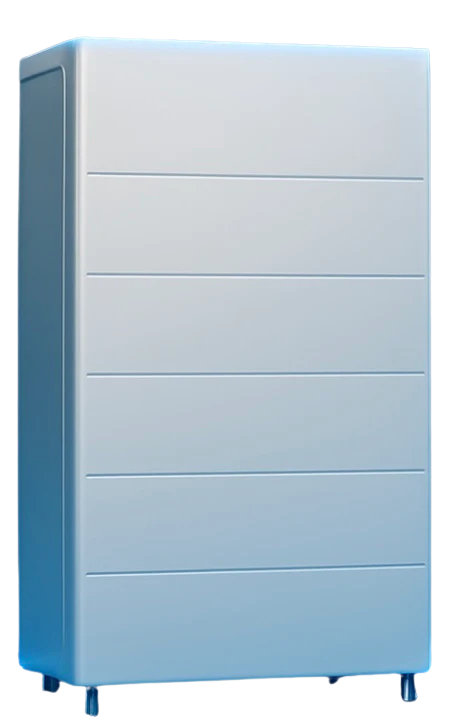
Lighting up your acreage home with smarter solar
If you already have solar panels on your roof, or you are planning a new system for your acreage property, a solar battery is what turns “good savings” into real control over your power bills. A solar battery stores the excess energy your panels produce during the day and keeps it available for the evening peak, overnight use, and EV charging.
For a large Australian family with an electric vehicle, pumps, air conditioning and long days on the road, the battery often does more work than any other part of the system. That is why understanding solar battery lifespan is so important. You are not just buying a product. You are buying years of reliable storage that has to pull its weight against rising electricity tariffs and cost of living pressure.
Why lifespan matters for your bills
Every solar battery has a limited life. Over time, its usable capacity and performance reduce. If you expect it to handle evening cooking, laundry, pool or bore pumps, and overnight EV top ups, you need to know how long it can keep doing that job efficiently.
When you understand lifespan, you can:
- Match the right size battery to your family’s energy use and EV charging habits.
- Avoid cheap storage that wears out too quickly and erodes your savings.
- Use government rebates and incentives more wisely so the system pays for itself sooner.
- Plan for Virtual Power Plant (VPP) participation without overworking the battery.
Solar batteries and your broader energy plan
A well designed system brings together quality solar panels, a reliable inverter and a durable battery from trusted brands such as Tesla Powerwall, Sungrow, Growatt, Sigenergy or AlphaESS. For acreage homes, capacity and lifespan are just as important as brand. The right design ensures you can run your property, charge your EV, and still keep grid imports low during expensive peak times.
If you are new to solar and storage, it can help to start with the basics of how solar works and how batteries fit in. You can explore that in more depth in our guide on understanding solar energy for your family home in 2025.
The goal is simple
You want lower electricity bills, predictable costs and a system that lasts. Knowing how solar battery lifespan works in real family conditions is the first step toward a setup that supports your mortgage, your EV and your acreage lifestyle for the long term.
Understanding solar battery lifespan for real family use
Before you compare brands like Tesla Powerwall, Sungrow, Growatt or Sigenergy, it helps to understand how installers and manufacturers talk about lifespan. This is what tells you how long your solar battery can support cooking, hot water, EV charging and acreage loads without becoming a headache.
Key terms you should know
Lifespan
In simple terms, lifespan is how long the battery remains useful in your home. Once a battery drops below a certain usable capacity, it may still work, but it no longer delivers the savings or backup you expected.
Cycle life
A cycle is one full discharge and recharge. For a typical acreage home, a cycle might mean charging during the day from your solar panels, then running the house and EV charging in the evening and overnight. Cycle life is the number of these cycles the battery is designed to handle before its capacity drops to a specified level in the warranty.
Depth of discharge (DoD)
DoD describes what percentage of the battery capacity you actually use. A DoD of [insert metric] means you regularly draw that portion of the stored energy before charging again. Deeper discharges usually shorten battery life. Most modern lithium ion batteries are designed to operate comfortably within a recommended DoD range that balances usable storage with longevity.
Life expectancy for lithium ion batteries
Most Australian residential systems now use lithium ion chemistry. Life expectancy is usually expressed as the shorter of two things.
- A certain number of years in normal home use.
- A certain number of cycles at a specified DoD, often with a remaining capacity guarantee.
For a busy household that charges an EV at home and runs pumps or machinery on an acreage property, you will often reach the cycle limit earlier than a low use home. That is why proper sizing and smart programming matter.
What affects lifespan in a family home with EVs
In real Australian homes, solar battery lifespan depends on several practical factors.
- Daily energy use, especially evening peaks from cooking, air conditioning and entertainment.
- EV charging patterns, for example whether you charge every night or only on certain days.
- Depth of discharge, how far the battery is drained on typical days and during heatwaves or cold snaps.
- Charge rate, how fast the battery is charged from your solar panels or the grid.
- Temperature, which is important in many Australian regions where poorly ventilated battery installs can run hot.
When your system is designed correctly, your battery cycles within a healthy DoD range, operates in a suitable temperature band and has enough capacity to handle EV charging without constant deep drain. That combination protects lifespan and keeps your electricity bill savings on track for the long term.
Key factors that influence solar battery lifespan in Australian homes
Solar battery lifespan is not just about the brand name on the case. In real Australian conditions, especially on acreage properties with big loads and EVs, a few key factors have a direct impact on how long your battery will keep cutting your electricity bills.
Battery chemistry and types for residential use
For most Australian family homes, lithium ion batteries are the standard choice. They offer:
- High usable capacity in a compact footprint, handy when you have sheds, pumps and garages already full.
- Good efficiency, so more of your solar power ends up running the home and charging the EV.
- Managed depth of discharge and smart battery management systems to protect lifespan.
Other chemistries, such as lead acid or similar, usually require more space, more frequent maintenance and tighter depth of discharge limits. For a busy working family trying to control cost of living, that extra attention rarely makes sense. This is why most reputable installers recommend lithium ion options such as Tesla Powerwall, Sungrow, Growatt, Sigenergy or similar systems.
Australian temperature extremes and installation environment
Heat is one of the biggest lifespan killers for solar batteries. Many acreage properties see very hot days, cold winter nights and sheds or garages that trap heat.
For long battery life, you want:
- Cool, shaded installation, away from direct sun and protected from radiant heat from tin walls or roofing.
- Good ventilation, so hot air can escape and the battery can stay within the recommended temperature range.
- Weather protection, especially for outdoor rated units, to avoid moisture and dust build up.
A CEC accredited installer will assess the site and recommend a location that balances safety, convenience and temperature control. This is one of the simplest ways to protect lifespan from day one.
Charging, discharging and depth of discharge
Every time your battery charges from your solar panels and discharges into your home, it uses part of its cycle life. On a large acreage home with an EV, you may cycle the battery heavily because of:
- Evening and night time appliance use.
- Pool, bore or irrigation pumps that run outside daylight hours.
- Regular EV charging at home, sometimes from low battery levels.
If the depth of discharge is very high most days, the battery works harder and life shortens. Smart system design aims for a balanced depth of discharge, where you use plenty of stored solar but avoid draining the battery to its minimum level every night.
State of charge, VPP use and maintenance
How full or empty the battery sits over time also affects lifespan. Some practical habits that help include:
- Avoid leaving the battery at [insert metric] state of charge for long periods when you are away.
- Setting EV charging windows that align with solar production, so the battery does not carry the entire EV load every night.
- Using Virtual Power Plant (VPP) programs with sensible limits, so export events do not push the battery into constant deep cycling.
- Checking your monitoring app for unusual behaviour, for example rapid drops in capacity or unexpected grid imports.
Routine inspections and firmware updates, usually arranged through accredited installers or services such as solar installation and maintenance support, help keep the system healthy. When your battery chemistry, environment and usage patterns are all managed well, you give the system the best chance to deliver strong performance for the long term, even with a busy family, acreage loads and regular EV charging.
Maximizing solar battery lifespan on your acreage property
You get the best value from a solar battery when it performs well for as long as possible. For a working family running an acreage home with an EV, pumps and heavy evening use, small changes in how you charge, discharge and look after the battery can make a big difference to its lifespan and your power bills.
Smart charge and discharge habits
Think in “cycles”, not just kilowatt hours.
Every full charge and discharge uses one cycle from the battery’s life. You do not need to baby the system, but you can avoid unnecessary wear.
- Use timers and schedules so big loads like hot water, dishwashers and some EV charging run when your solar is producing, not when the battery is already low.
- Aim for moderate depth of discharge. Avoid draining the battery to its minimum level every night. Your installer can set a reserve percentage that the battery will not go below, which supports lifespan.
- Avoid repeated “top up” cycles from the grid. In many hybrid inverters, you can control when the battery accepts grid power so it focuses on solar charging.
EV charging patterns that protect your battery
On an acreage property, the EV is often the single biggest load. If all EV charging comes from the battery every night, you can chew through cycles quickly.
- Prioritise daytime charging when the car is at home, so panels carry more of the EV load and the battery acts as backup rather than the main fuel source.
- Set EV charge windows in your charger or vehicle app to line up with strong solar production instead of late night charging from stored energy.
- Use partial charges on busy weeks. Bringing the EV from very low to very high charge using the home battery every night can stress both systems.
Temperature, ventilation and installation environment
Cool batteries last longer.
For Australian conditions, especially sheds and garages on rural blocks, temperature management is critical.
- Install the battery in a shaded, cool area, not against a hot tin wall in direct afternoon sun.
- Allow for clear airflow around the unit, with no stored items blocking vents.
- Consider a dedicated battery enclosure that provides shade and weather protection without trapping heat.
A CEC accredited installer, such as those you can reach through specialist battery storage services, will factor this into the design so your Tesla Powerwall, Sungrow, Sigenergy or similar unit operates within a healthier temperature range.
Monitoring and basic maintenance
Your monitoring app is one of the best tools for protecting lifespan.
- Check daily charge and discharge patterns. Look for frequent deep drains or unusual spikes in grid imports.
- Review capacity and state of health at regular intervals, for example every [insert metric], so you notice early signs of degradation.
- Arrange periodic system checks with your installer to confirm firmware updates, settings and safety devices are all current.
If you want more control, pairing your system with smart monitoring, such as the tools described in advanced energy monitoring and smart solar solutions, can help you fine tune loads and protect your battery.
Using VPP programs without burning through lifespan
Virtual Power Plant offers can improve payback, but only if they respect your battery limits.
- Choose VPP plans that limit discharge depth, so export events do not push your battery to its minimum level too often.
- Confirm maximum daily events and how they fit with your family’s evening use and EV charging.
- Keep a backup reserve if you rely on the battery for outages on your property, especially if you use bore pumps or critical equipment.
With the right settings, your solar battery can handle high family demand, VPP participation and EV charging, while still delivering strong lifespan and long term savings on your electricity bills.
Government rebates and financial incentives for solar batteries in Australia
When you are juggling a mortgage, acreage running costs and family life, the upfront price of a solar battery can feel like a hurdle. This is where federal government rebate for solar battery support and state based incentives come in. Used correctly, they reduce the initial outlay and improve the long term return on investment while you bring your electricity bills under control.
Types of support you can access
Most homeowners will encounter three main types of support for solar batteries and solar panels in 2025.
- Federal level incentives that lower the cost of eligible solar systems. These usually apply through your installer as an upfront discount rather than money paid to you later.
- State or territory battery programs that may offer rebates, low interest loans or specific support for solar battery storage and VPP participation.
- Virtual Power Plant (VPP) offers from retailers or program operators that can provide bill credits, performance payments or preferential tariffs when you allow controlled access to your battery.
If you want a simple overview of current programs and how they work for families, resources such as solar rebates and incentive guides are designed to keep the picture clear.
Typical eligibility requirements for homeowners
Each program has its own rules, but acreage homeowners usually need to meet conditions such as:
- You are the owner occupier of the property, not a tenant.
- Your system uses CEC approved products, for example recognised solar panels and trusted solar battery brands.
- The system is installed by a CEC accredited installer.
- The property is within the eligible postcode or region for that specific state rebate on battery or solar package.
- You meet any income or system size limits, if the program sets them.
A reputable installer will usually bundle the relevant solar battery and solar panels rebate into your quote so you see the net cost, not a confusing list of claims you need to chase on your own.
How rebates and incentives improve battery ROI
For a large family with high night time usage and EV charging, the battery touches nearly every part of your daily routine. When government rebate on battery support reduces the upfront cost, you reach the point where the battery has effectively paid for itself sooner through:
- Lower evening and overnight grid imports, especially during peak tariff periods.
- Smarter use of your EV, by charging from stored solar instead of expensive grid power where possible.
- Optional VPP income or credits, which can offset part of the investment if used with sensible limits that protect lifespan.
The result is a system where your solar panels and solar battery work together to handle most of the heavy lifting for your acreage property. That means more predictable bills and less pressure on the household budget.
Getting practical help with rebate applications
Many families do not have the time to decode every policy document. A practical approach is to work with an installer that handles the bulk of the rebate process on your behalf, from checking eligibility through to lodging required paperwork. Services like solar rebates and savings support focus specifically on this step so you can concentrate on choosing the right system size and battery brand for your home.
The key point
If you own your home, have the roof space and carry regular electricity and EV charging costs, the combination of solar battery, solar panels and government rebates gives you a clear path to cheaper, more predictable energy for your family and your acreage lifestyle.
Choosing the right solar battery and system integration for your acreage home
For a busy acreage household with a big roof, high night time use and one or more EVs, the “right” solar battery is not just about brand names. It is about how well your battery, inverter, solar panels and EV charger work together to lower your electricity bills without shortening battery lifespan.
Start with compatibility, not just brand logos
Popular options such as Tesla Powerwall, Sungrow, Growatt, Sigenergy, AlphaESS and similar batteries all perform well when matched with the correct inverter and solar panel set up.
When you compare options, ask your installer to confirm:
- Inverter compatibility with your chosen battery, including communication protocols and warranty approved pairings.
- Solar panel matching with brands like Jinko, Canadian Solar panels and similar, so voltage, current and string design suit the inverter and battery.
- Monitoring integration, so you can see solar, battery, grid and EV charger data in one place.
- CEC approved products for access to government rebates and to protect product and workmanship warranties.
If you want a deeper overview of how inverters fit into this mix, resources such as how to choose the right hybrid inverter for your family home can help you ask sharper questions.
Battery ready solar systems for future storage
If you are installing solar panels now and planning to add a battery later, a battery ready design avoids expensive rework.
Key design points include:
- Hybrid inverter selection, so the inverter can run panels now and manage a battery when you add one.
- Allowing roof capacity for extra solar panels if you decide you want more generation to support a future battery and EV charging.
- Switchboard space and layout for battery isolators, backup circuits and EV chargers.
- Cabling pathways from the main switchboard to the preferred battery and charger locations.
A well planned battery ready system lets you stage the investment. You can start with panels from trusted names such as Jinko, Canadian Solar or similar, then add a Tesla Powerwall, Sigenergy or comparable battery when budget or government rebate on battery support lines up.
Designing for EV charging without punishing the battery
Your EV is often the hungriest appliance on the property. If you size and program the system correctly, you can charge the car, protect battery lifespan and still control bills.
Ask your CEC accredited designer to consider:
- Total daily EV demand in kilowatt hours, based on your usual driving patterns.
- Solar array size that can cover both household use and a good portion of EV charging on sunny days.
- Battery usable capacity that supports evening household loads first, with a sensible share reserved for overnight EV top ups.
- Smart charger control, for example scheduling most EV charging during high solar output, with the battery covering only the tail end.
For larger storage needs, such as multi EV households or acreage properties with heavy night loads, you may want to explore higher capacity systems. Guides like the 48 kW single stack solar battery system overview show how bigger storage can be configured for Australian homes.
Checking warranties and support for peace of mind
Whatever mix of Penrith Solar, Sunboost, Solar Power Nation, Jinko, Sigenergy or similar brands you choose, strong warranties and local support matter for lifespan.
- Confirm product, performance and workmanship warranties for panels, inverter and battery.
- Check that the installer offers ongoing service, monitoring support and warranty claim help.
- Ask how your system design and usage (including VPP participation) keep you within warranty conditions over the long term.
With the right combination of reputable brands, a battery ready design and smart EV integration, your solar battery does its job quietly in the background. It supports your family’s lifestyle, protects its own lifespan and keeps your acreage home’s electricity bills as low and predictable as possible.
Conclusion: Turning solar battery lifespan into real savings for your family
You have seen how solar battery lifespan links directly to your power bills, your EV charging habits and the comfort of running a busy acreage home. When you understand how long a battery is likely to last, how cycle life and depth of discharge work and what affects performance in Australian conditions, you can treat a solar battery as a long term asset rather than a gamble.
What matters most for your acreage property
- Lifespan fundamentals. Knowing the difference between lifespan, cycle life and depth of discharge helps you compare batteries on more than marketing claims.
- Real world usage. Large families, long commutes, EV charging, pumps and air conditioning all shape how your battery is used every day and how long it will stay effective.
- Design and installation quality. A system that matches panel size, inverter type and battery capacity to your actual loads will protect lifespan and keep savings on track.
- Environmental conditions. Australian heat, dust and shed installs can shorten life if not managed with good placement, shade and ventilation.
- Smart operation. Thoughtful EV charging windows, sensible VPP participation and basic monitoring habits all reduce unnecessary battery wear.
- Rebates and incentives. Federal government rebate for solar battery support and state incentives lower upfront cost and bring the payback period closer for mortgage stressed families.
Your next practical steps
If you want cheaper electricity bills, better control over EV charging costs and more predictable household spending, now is the time to line up the pieces.
- Clarify your family’s daily and seasonal energy use, including EV kilometres, pump loads and evening peaks.
- Check what government rebate on battery or solar panel support applies in your state, and how that can reduce your upfront spend. Guides like solar rebates for Australian homeowners are a simple place to start.
- Speak with a CEC accredited designer who understands acreage homes and can size quality brands such as Tesla Powerwall, Sungrow, Sigenergy or FoxESS for your needs. Resources such as best solar batteries for Australian homes can help you shortlist options before that conversation.
You deserve predictable, fair energy costs
You work hard, you own your home and your property demands real power, not guesswork. With the right solar battery, matched solar panels and smart use of rebates, you can turn your roof and your battery room into a reliable partner for your mortgage, your EV and your family’s future. The knowledge you now have about lifespan and system design is the foundation for that decision.